Top 15 Birds That Fly at Night (Images Included)
Birds that fly at night have adapted their lives to thrive in darkness, showcasing extraordinary navigational skills and hunting techniques. This article will illuminate the hidden lives of these fascinating nocturnal species, highlighting their significance within the ecological landscape. By the end, you’ll not only recognize the importance of these night flyers but also appreciate the wonders that unfold when the sun goes down.
Do Birds Fly at Night?
Yes, some birds do fly at night, typically for reasons related to feeding, migration, or avoiding predators. Species such as owls, nighthawks, and certain songbirds have adapted to nocturnal activity, utilizing the cover of darkness to hunt or traverse vast distances without the heat of the day. Flying at night can offer advantages such as reduced competition for food and safety from daytime predators.
This behavior not only aids in their survival but also contributes to the delicate balance of ecosystems, as nocturnal birds play essential roles in pollination and pest control during hours when many other creatures are at rest.
List of Birds That Fly at Night
Here is the list of animals that fly at night:
- Tawny frogmouth
- Killdeer
- Alder flycatcher
- Eastern whip-poor-will
- Great horned owl
- Nightingale
- Yellow warbler
- Northern mockingbird
- Black-crowned Night Heron
- Common Nighthawk
- American Woodcocks
- Barn owl
- European Nightjar
- Common Pauraque
- Northern Saw-whet Owl
Tawny frogmouth
Scientific Name: Podargus strigoides
The tawny frogmouth, often mistaken for an owl, is a master of disguise in the Australian landscape. Its remarkable plumage, resembling tree bark, offers it superb camouflage among the eucalypt branches, allowing it to blend seamlessly into its environment. This adaptive strategy extends beyond mere appearance; the tawny frogmouth employs a unique hunting technique by remaining motionless and using its excellent night vision to spot unsuspecting prey. When it strikes, its wide, gaping mouth makes quick work of insects and small mammals, showcasing a predatory style that contrasts sharply with its unassuming appearance.
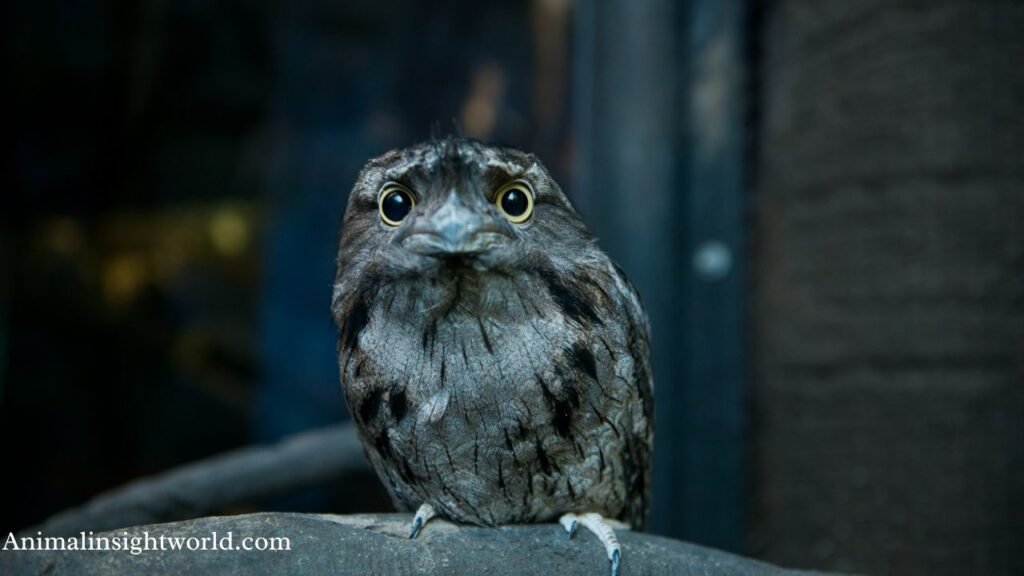
Socially, tawny frogmouths are equally fascinating. They are monogamous and can often be seen perched side by side during the day, exemplifying a strong bond that is rare among many bird species. Interestingly, they have a distinctive method of nesting: instead of building elaborate nests, they lay their eggs on a simple platform of sticks and leaves, relying on their camouflage to deter potential predators. This choice speaks volumes about their adaptation to the Australian bush, highlighting a blend of pragmatism and ecological harmony that invites admiration. Capturing the essence of their existence offers a glimpse into the intricate balance between beauty and survival in nature.
Killdeer
Scientific Name: Empidonax alnorum
Killdeer are remarkable for their striking adaptability and unique defensive mechanisms. Unlike many birds that rely on camouflage, killdeer employ a dramatic “broken-wing” display to lead predators away from their nests. This theatrical performance, complete with flapping wings and feigned injury, showcases not just their survival instincts but their understanding of threat perception in their environment.
These plucky shorebirds are often found in unexpected places, from gravelly parking lots to expansive fields. Their ability to thrive in urban settings highlights the increasingly blurred lines between human development and wildlife habitats. Observing killdeer as they navigate these diverse landscapes offers a fascinating glimpse into their resilience and resourcefulness, embodying a spirit of adaptability that resonates amid our rapidly changing world. Through their exuberant calls and lively antics, killdeer remind us of the beauty and complexity of avian life right in our backyards.
Alder flycatcher
Scientific Name: Empidonax alnorum
The Alder Flycatcher, often overshadowed by its more colorful counterparts, is a master of adaptability in the ever-changing landscapes of North America. These small, grayish birds can be found thriving near wetlands and riparian zones, where their distinctive calls echo through the trees. Their ability to blend seamlessly into their surroundings protects them from predators while also highlighting the delicate balance of their ecosystem. What’s particularly fascinating is their nesting behavior; they cleverly position their nests in dense shrubs, a testament to their instinctual understanding of safety and habitat.
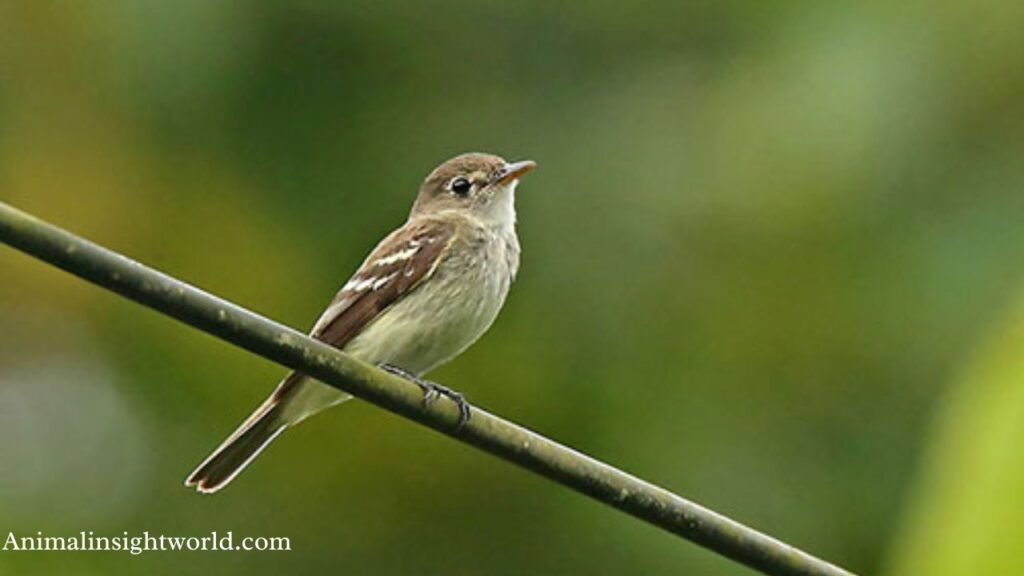
Moreover, the Alder Flycatcher plays a crucial role in pest control, feasting on a diet primarily composed of insects. Their presence can indicate a healthy ecosystem, making them vital components of biodiversity. During migration, these tiny aviators traverse impressive distances, showcasing remarkable endurance. Studying their patterns not only reveals insights into ecological shifts due to climate change but also emphasizes the need for conservation efforts to protect their habitats. Engaging with the Alder Flycatcher opens a window into the intricate web of life, where even the smallest creature impacts the grand narrative of our environment.
You can also read: Explore Top 20 Annoying Animals in The World.
Eastern whip-poor-will
Scientific Name: Antrostomus vociferus
The Eastern whip-poor-will, known for its distinct nocturnal call, drifts through the twilight hours like a ghostly shadow, embodying the mystique of the forest’s night chorus. This elusive bird, with its mottled brown plumage, has adapted beautifully to its surroundings, blending seamlessly with the forest floor. Observers often describe the experience of hearing its call as if the night itself is speaking — a timeless echo that stirs memories and invokes a sense of wonder about the natural world.
Despite its somewhat introverted nature, the whip-poor-will plays a vital role in its ecosystem, contributing to insect population control. As a primary consumer of moths and other nocturnal insects, it helps maintain balance in the ecosystem, making its haunting song more than just a melodic refrain; it serves as a reminder of the interconnectedness of life. Unfortunately, habitat loss and changing environmental conditions have led to declines in their populations, prompting conservationists to advocate for the preservation of their habitats. By fostering environments where these elusive birds can thrive, we not only protect a symbol of the wild but also honor the night’s intricate symphony that has captivated humans for generations.
Great horned owl
Scientific Name: Bubo virginianus
The great horned owl, with its striking tufted horns and piercing yellow eyes, is a master of its night domain and symbolizes the mystery of nature. Nestled within the diverse ecosystems of North America, it thrives in a range of habitats, from dense forests to urban parks, showcasing its remarkable adaptability. Unlike many of its avian counterparts, this owl doesn’t shy away from human presence; in fact, it often becomes a part of the landscape, perfectly blending the wild and the urban.
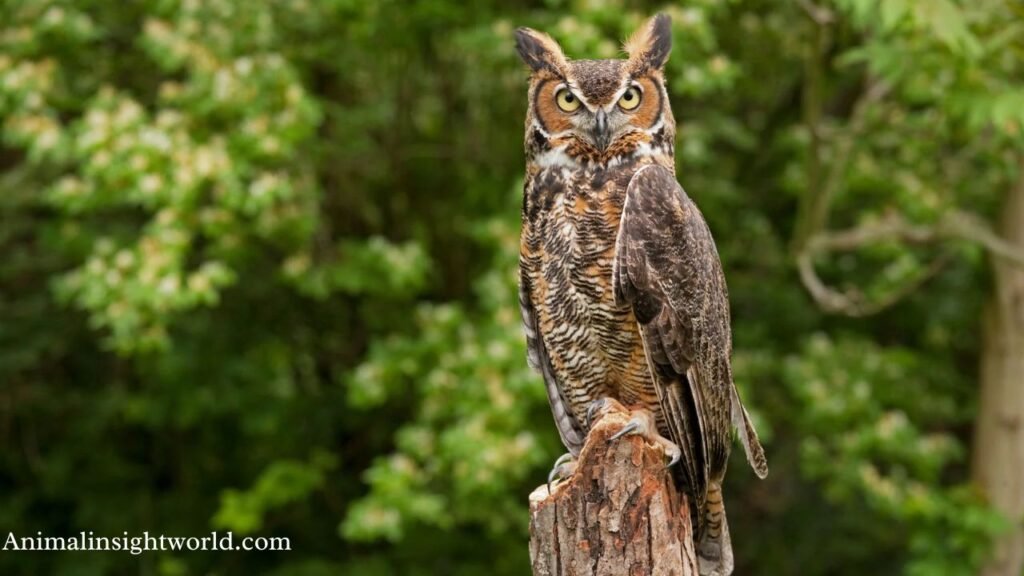
What truly sets the great horned owl apart is its formidable hunting prowess. Equipped with silent flight, keen hearing, and the ability to swivel its head nearly 270 degrees, it is a formidable predator. Its diet is impressively varied, feasting on everything from small mammals to other birds, adapting its hunting methods based on prey availability. In this way, the great horned owl not only demonstrates survival skills but also plays a critical role in maintaining the delicate balance of local ecosystems. Observing one in the wild offers a glimpse into the intricate web of life, where this majestic raptor serves as both predator and protector.
Nightingale
Scientific Name: Luscinia megarhynchos
The nightingale, often celebrated for its enchanting song, embodies a sense of mystery and allure that transcends mere avian beauty. While its melodious call has inspired poets and musicians for centuries, there’s a deeper narrative that unfolds in its elaborate vocalizations. Recent studies suggest that the nightingale’s song may serve not only as a mating call but also as a complex communication tool, conveying emotional states and territorial claims. This dual functionality enriches our understanding of avian communication and highlights the sophisticated social structures within bird communities.
Moreover, the nightingale’s song has been linked to the themes of resilience and hope. In many cultures, the bird symbolizes perseverance through adversity, often singing even during the darkest nights. This serves as a poignant reminder of the power of resilience in nature, drawing parallels to the human experience. As we listen to their haunting melodies in the quiet of dusk, we are invited to reflect on the beauty that can arise from hardship, and how, like the nightingale, we too can find our voice amid challenges.
Readmore: Explore Top 15 Most Active Animals in the World.
Yellow warbler
Scientific Name: Setophaga petechia
The yellow warbler is a small but striking bird that captures the imagination of nature enthusiasts. Found primarily in North America during the breeding season, these melodic creatures offer more than just a splash of color; their songs are a delightful soundtrack to spring and summer. The male’s unmistakable “sweet-sweet-sweet, I’m so sweet” call rings through wetlands, riparian zones, and suburban gardens, inviting both humans and other wildlife to pause for a moment and appreciate their presence.
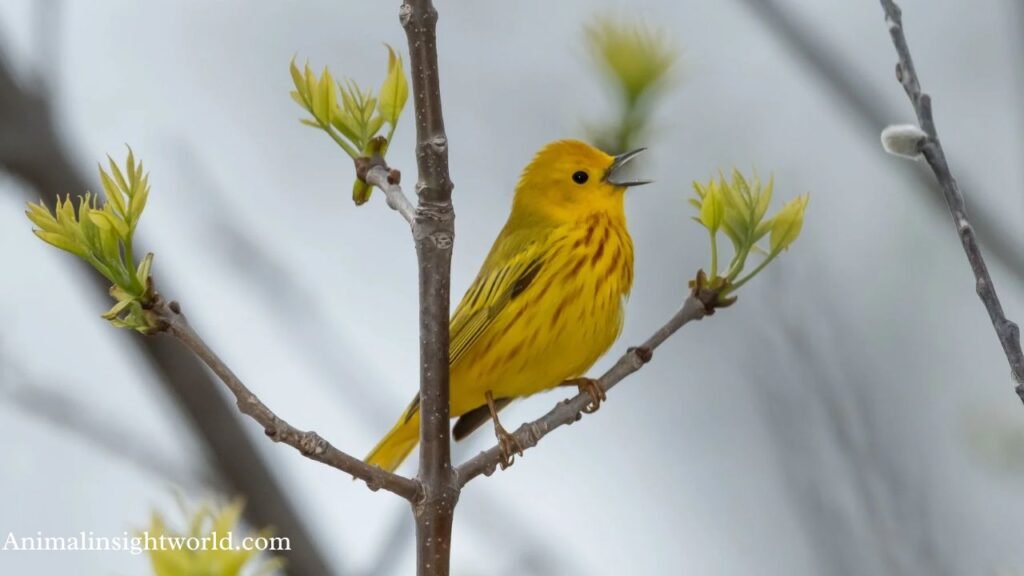
Beyond their aesthetics, yellow warblers play a crucial role in their ecosystems, acting as important pollinators and insect regulators. Their diet is predominantly composed of insects, which helps control pest populations and supports overall biodiversity. Moreover, their migratory behavior offers a fascinating glimpse into the resilience of nature, as they embark on long journeys to Central America for the winter. Observing their tenacity and adaptability reminds us of the intricate connections within our ecosystems and the challenges many species face due to habitat loss.
Northern mockingbird
Scientific Name: Mimus polyglottos
The Northern mockingbird, a master of mimicry, is more than just a singer in the shadows; it is a storyteller of the avian world. With a repertoire that can exceed 200 different songs, these birds create a symphony that can include the calls of other birds, car alarms, and even the sounds of human-made instruments. Observers often find themselves enchanted as a mockingbird weaves together a tapestry of sound that not only showcases its vocal prowess but also reflects its territory and experiences. This ability to mimic is not just for show; it’s a strategic advantage in attracting mates and warding off rival males.
Beyond their vocal talents, Northern mockingbirds also exhibit a fascinating behavior known as “song sparring,” where two males might compete in a display of spontaneous song contests. Such interactions offer insights into their social structures and mating rituals, revealing layers of complexity often overlooked. These resourceful creatures are known for their adaptability, thriving in urban environments and suburban gardens alike. Their presence in varied habitats suggests a resilience that speaks to the broader impacts of climate change and habitat modification, making them an essential species for scientists monitoring ecological shifts.
Black-crowned Night Heron
Scientific Name: Nycticorax nycticorax
The Black-crowned Night Heron, with its striking plumage and striking red eyes, possesses an enigmatic charm that captivates birdwatchers and nature enthusiasts alike. Unlike many of its brethren, this heron is primarily nocturnal, showcasing a masterful adaptation to a lifestyle that flourishes in the quiet hours. As dusk settles, these birds emerge with an elegant grace, hunting in the shallows for fish, frogs, and aquatic insects. This unique feeding pattern not only underscores their adaptability but also places them at the heart of a delicate ecosystem, contributing to the balance of their wetland habitats.
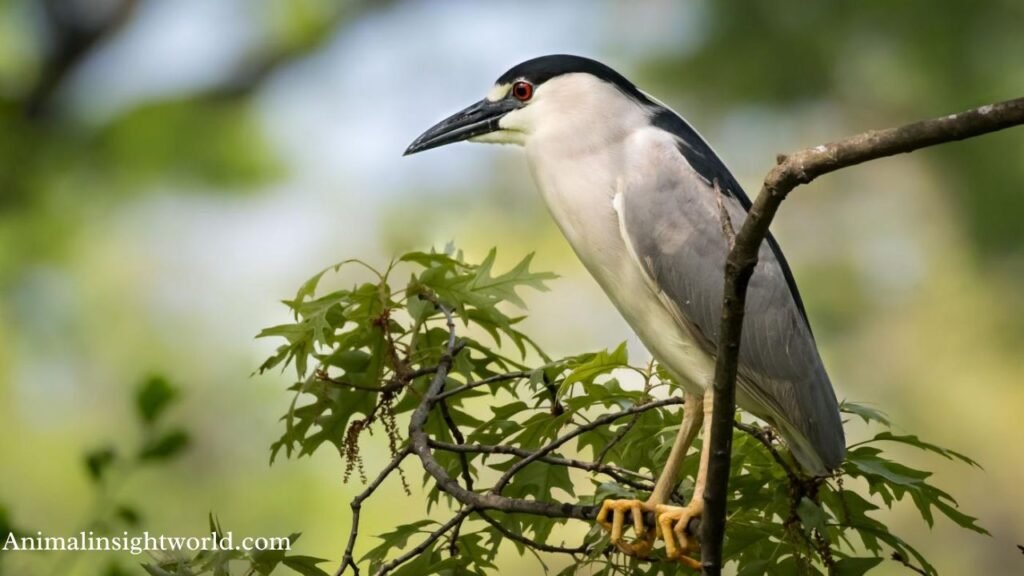
In addition to their aesthetic allure, Black-crowned Night Herons demonstrate intriguing social behaviors that warrant exploration. Often found in colonies, they establish communal nests, fostering a supportive environment for raising young. These sites buzz with activity, as adults collaborate in both feeding their chicks and defending against potential threats. Such social dynamics offer a deeper understanding of avian community life, illustrating the significance of cooperation and social bonds in survival strategies among species.
Also read: Explore Top 21 Animals that Growl.
Common Nighthawk
Scientific Name: Chordeiles minor
The Common Nighthawk, often mistaken for a small owl due to its cryptic plumage, is a master of camouflage that thrives in varied habitats, from urban parks to open woodlands. With its long wings and distinctive call — resembling a mournful, echoing “peent” — it brings an enchanting soundscape to summer evenings. Observers often find themselves captivated as these agile flyers perform incredible aerial displays, swooping and diving in pursuit of insects while showcasing their unique wing patterns.
Beyond their striking appearance and haunting calls, Common Nighthawks play a vital role in their ecosystems. As night-time foragers, they help regulate insect populations, consuming vast quantities that would otherwise disrupt local environments. Interestingly, their breeding behaviors also highlight their adaptability; they often nest on bare ground in gravelly areas, blending seamlessly into their surroundings — a true testament to nature’s design. Discovering the life of the Common Nighthawk invites us to appreciate the intricate relationships within our ecosystems and reminds us of the myriad wonders that unfold under the veil of twilight.
American Woodcocks
Scientific Name: Scolopax minor
The American woodcock, with its unique blend of quirks and complex behaviors, captivates birdwatchers and nature lovers alike. Often referred to as “timberdoodles,” these plump, secretive birds are masters of camouflage, blending seamlessly into the forest floor with their mottled brown plumage. Spring evenings reveal their remarkable courtship display, where males ascend into the twilight sky, producing a mesmerizing aerial performance accompanied by a distinctive twittering sound. This display, a mix of flight and song, not only showcases their vigor but also underscores the intricate dance of attraction that defines the avian world.
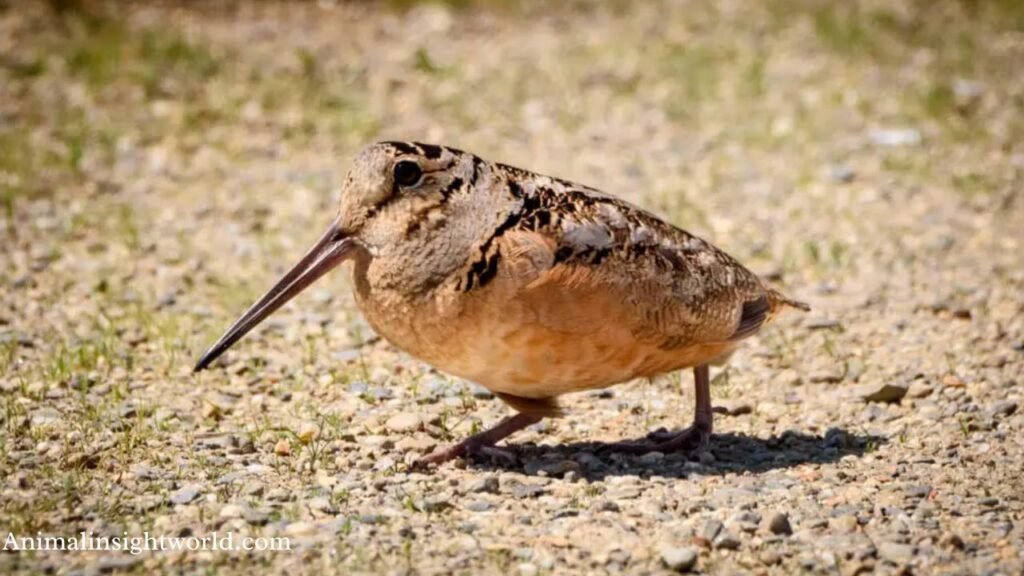
What truly sets the woodcock apart is its unusual feeding habit. With an extraordinarily long bill capable of probing deep into the earth, it forages for earthworms and other invertebrates hidden beneath the surface. This specialized diet reflects a fascinating adaptation to its woodland habitat, illustrating how intricately species evolve to fit into their ecosystems. Moreover, the woodcock’s elusive nature and twilight activity provide a refreshing reminder of the hidden wonders in our backyards, encouraging a deeper appreciation for the biodiversity that surrounds us. Observing these captivating birds fosters a connection to the natural world, highlighting the importance of conservation efforts to protect their habitats amidst the ongoing ecological changes.
Barn owl
Scientific Name: Tyto alba
The barn owl, with its striking heart-shaped face and ghostly white underbelly, embodies a blend of ethereal beauty and fierce predatory prowess. Unlike typical owls with their hooting calls, barn owls are nearly silent hunters, utilizing advanced hearing and exceptional night vision to navigate the darkness. This remarkable ability allows them to detect prey buried beneath foliage or snow, turning them into efficient hunters of fields and farmland. Their presence is often considered an omen of good fortune, connecting them to agricultural environments where they serve as natural pest controllers.
Contrary to their allure as solitary creatures of the night, barn owls play a pivotal role in local ecosystems that is often underestimated. By feasting on small mammals, particularly rodents, they help maintain the balance between predator and prey, which is essential for healthy agricultural practices. However, these enchanting birds are facing challenges due to habitat loss and pesticide use, which threaten their populations. Conservation efforts that promote sustainable farming practices and habitat restoration are crucial, allowing future generations to appreciate their haunting beauty and vital ecological contributions. Engaging communities in barn owl conservation not only fosters a deeper understanding of local wildlife but enriches the tapestry of the natural world where these silent guardians reside.
You can also read: Explore Top 20 Animals That Whistle.
European Nightjar
Scientific Name: Caprimulgus europaeus
The European Nightjar, with its finely camouflaged plumage, is nature’s answer to stealthy elegance. Found throughout woodlands and heathlands, this nocturnal bird has a charm that transcends its elusive behavior. While often mistaken for a mere shadow flitting between trees, the nightjar’s haunting calls create a symphony of intrigue for those lucky enough to witness its fleeting presence. These calls, produced by the male during the breeding season, resonate through the calm of dusk, serving both as a mating call and territory marker — a reminder of the complex communication woven into the fabric of avian life.
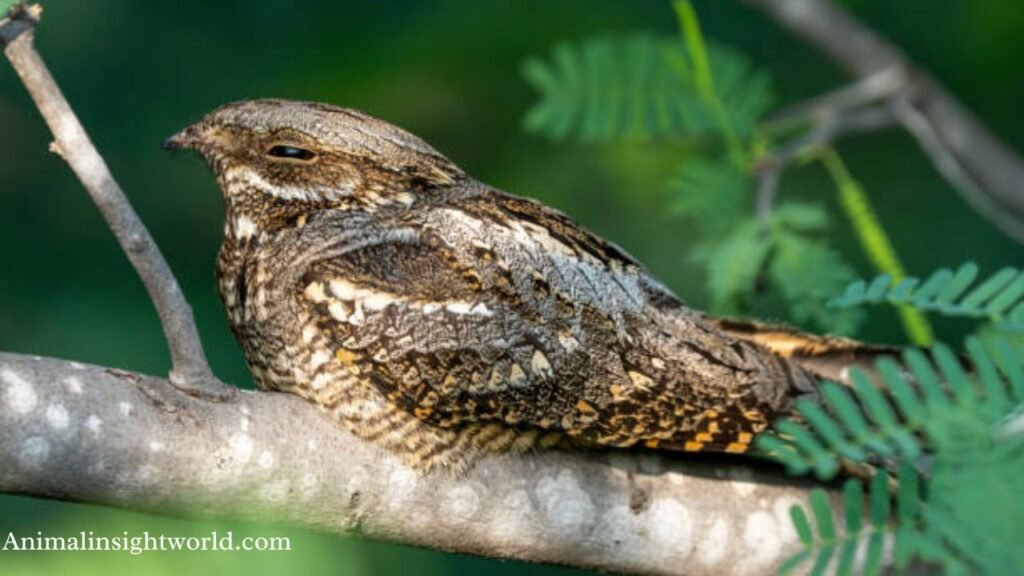
Beyond its vocal prowess, the European Nightjar invites us to reflect on the delicate balance within ecosystems. Its diet, primarily consisting of moths and other night-flying insects, can indicate the health of local insect populations, illustrating the interconnectedness of species. As nocturnal creatures become increasingly affected by artificial light, the nightjar serves as a critical reminder of the importance of preserving natural habitats. Engaging with its story encourages us to consider our roles in safeguarding these enchanting creatures and their environments against the encroachment of modernity, making each glimpse of the nightjar not just a moment of beauty, but a call to action for conservation efforts.
Common Pauraque
Scientific Name: Nyctidromus albicollis
The Common Pauraque, a nocturnal bird native to Central and South America, often eludes the casual observer thanks to its remarkable camouflage. Its plumage, a blend of rich browns, grays, and blacks, allows it to blend seamlessly into the forest floor, making it a master of disguise. This adaptation not only serves as protection from predators but enhances its hunting strategy, as it lies in wait for unsuspecting insects and small creatures under the cover of darkness.
Interestingly, the Pauraque’s haunting calls echo through the night, creating an ethereal soundscape that adds to the mystique of the rainforest. These vocalizations, a mix of whistles and trills, are not just for mating; they also play a crucial role in territory establishment. Observing a Pauraque engaged in its nightly rituals can be a deeply immersive experience, drawing attention to the intricate interplays of nature that often go unnoticed. As urban areas encroach on its habitat, the plight of this elusive bird serves as a poignant reminder of the delicate balance within ecosystems — where even the most overlooked creatures hold vital roles in maintaining biodiversity.
Northern Saw-whet Owl
Scientific Name: Aegolius acadicus
The Northern Saw-whet Owl, a small yet captivating bird from North America’s woodlands, often goes unnoticed due to its elusive nature. With a wingspan of only about 18 inches and distinctive brown-and-white mottled feathers, it blends seamlessly into its surroundings. This little owl’s name is derived from its unique call, which resembles the sound of a saw being sharpened — an enchanting melody that can echo through the night, drawing in those curious enough to listen.
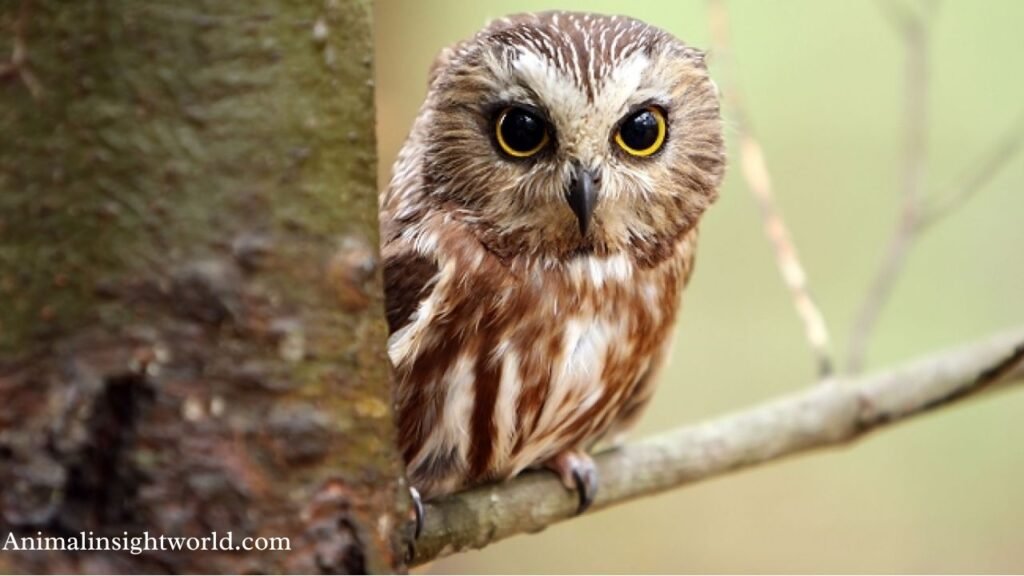
Interestingly, the Northern Saw-whet Owl is known for its impressive adaptability, often living in diverse habitats ranging from dense coniferous forests to suburban backyards. Its diet primarily consists of small mammals, particularly deer mice, guiding its role in the ecosystem as a natural pest controller. Observing this owl in the wild can feel like catching a glimpse of a rare diamond; its rarity only heightens the thrill of discovery. With ongoing conservation efforts, there’s hope that more bird enthusiasts will have the privilege of witnessing this charming creature, enriching both their passions and the broader narrative of wildlife preservation.
Readmore: Explore Top 20 Animals Without Legs.
Final Thoughts
The phenomenon of nocturnal avian activity showcases the incredible adaptability of birds. From the ethereal calls of the owl to the sleek flights of the nightjar, these creatures have developed unique traits that allow them to thrive in low-light environments. Their hunting techniques, mating rituals, and migratory patterns offer a fascinating glimpse into the complexities of their lives under the cover of darkness. Understanding these birds not only deepens our appreciation for their role in the ecosystem but also highlights the importance of preserving their habitats. As we explore the night skies, let us make a conscious effort to protect these majestic creatures and the environments they depend on.
FAQs
What kind of birds can fly at night?
Many birds are known for their nocturnal flying abilities. Owls are the most famous night flyers, thanks to their exceptional night vision and silent flight. Species like the Great Horned Owl and Barn Owl are adept at hunting in the dark, using their keen hearing to locate prey. Beyond owls, other birds like nightjars and certain species of swifts also take to the skies after sunset. Nightjars are masters of camouflage and often remain hidden during the day, while swifts are known for their acrobatic flying, catching insects on the wing as they soar under the moonlight. These adaptations allow them to thrive while others sleep.
Do owls fly at night?
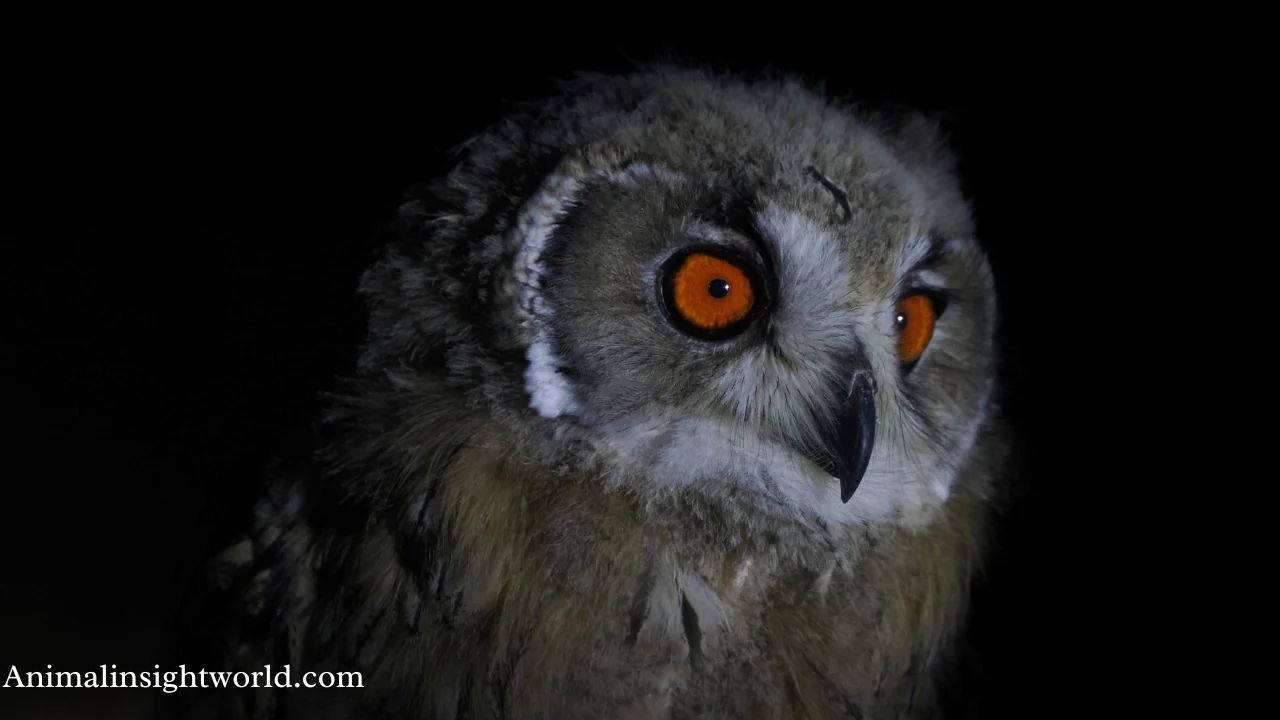
Yes, owls primarily fly at night. They are nocturnal birds, which means they are active during the night and rest during the day. Their exceptional night vision and silent flight help them hunt effectively in the dark.
Which bird is seen only at night?
The bird most commonly associated with nighttime is the owl. Owls are primarily nocturnal hunters, relying on their excellent night vision and hearing to catch prey in the dark. Their silent flight and camouflaged plumage help them remain undetected while they hunt.