Explore Top 13 Animals With Short Tails (Images Included)
There are many animals with short tails, which serves specific purposes in their survival strategies. By delving into the lives of these animals, we discover not only their unique adaptations but also the wider implications for biodiversity and habitat preservation. Join us as we uncover the secrets of short-tailed animals and their vital roles in ecosystems.
List of Animals With Short Tails
Here is the list of animals with short tails:
- Sheep
- Wombat
- Chinchilla
- Hamster
- Grizzly Bears
- Shrew
- Manx Cat
- Rabbit
- Bobcat
- Panda
- Koala
- Deer
- Polar Bears
Sheep
Scientific Name: Ovis aries
Sheep are often seen as simple, docile creatures grazing in pastures, but their social dynamics are surprisingly sophisticated. These animals form tight-knit groups with complex hierarchies, showcasing a deep understanding of relationships and roles within their flocks. Studies have revealed that sheep can recognize individual faces, not only of their fellow sheep but also of humans, indicating a level of cognitive function that challenges the stereotype of them as merely “dumb” animals. This facial recognition plays a critical role in their social cohesion and helps them navigate the intricate web of their flock’s social life.
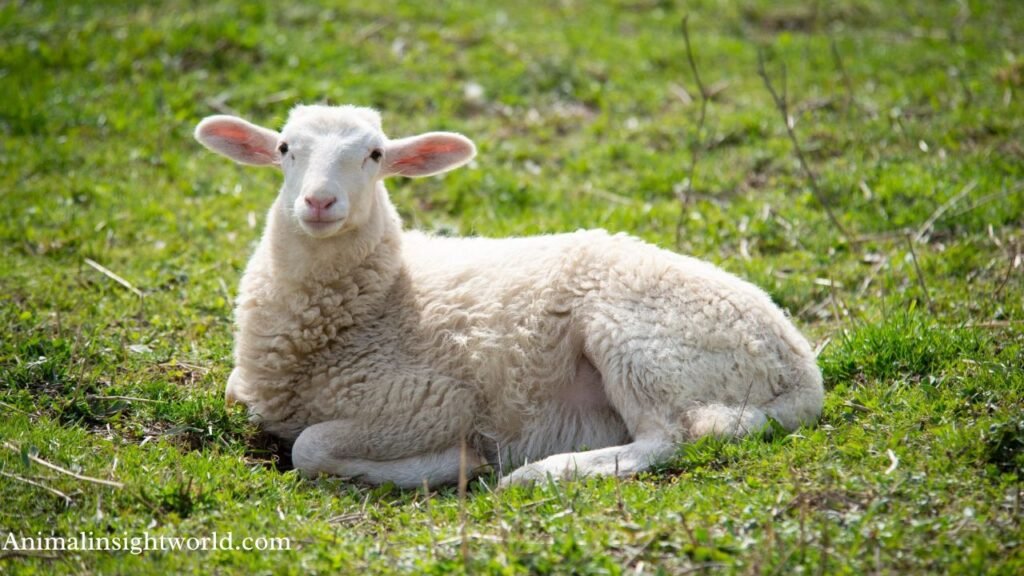
Moreover, sheep possess unique personalities that can significantly affect their behavior. Research has shown that some sheep exhibit more adventurous traits, often leading their peers into new grazing areas, while others remain more cautious. This variance among individuals contributes to the resilience of the flock, allowing them to adapt to changing environments and threats. As we gain deeper insights into sheep behavior, it’s clear that these animals offer a fascinating glimpse into the complexities of animal intelligence, challenging us to rethink our perceptions of domesticated species. Recognizing their social structures and individual traits allows us to appreciate the intricate tapestry of life that exists within even the most overlooked of farm animals.
Wombat
Scientific Name: Vombatus ursinus
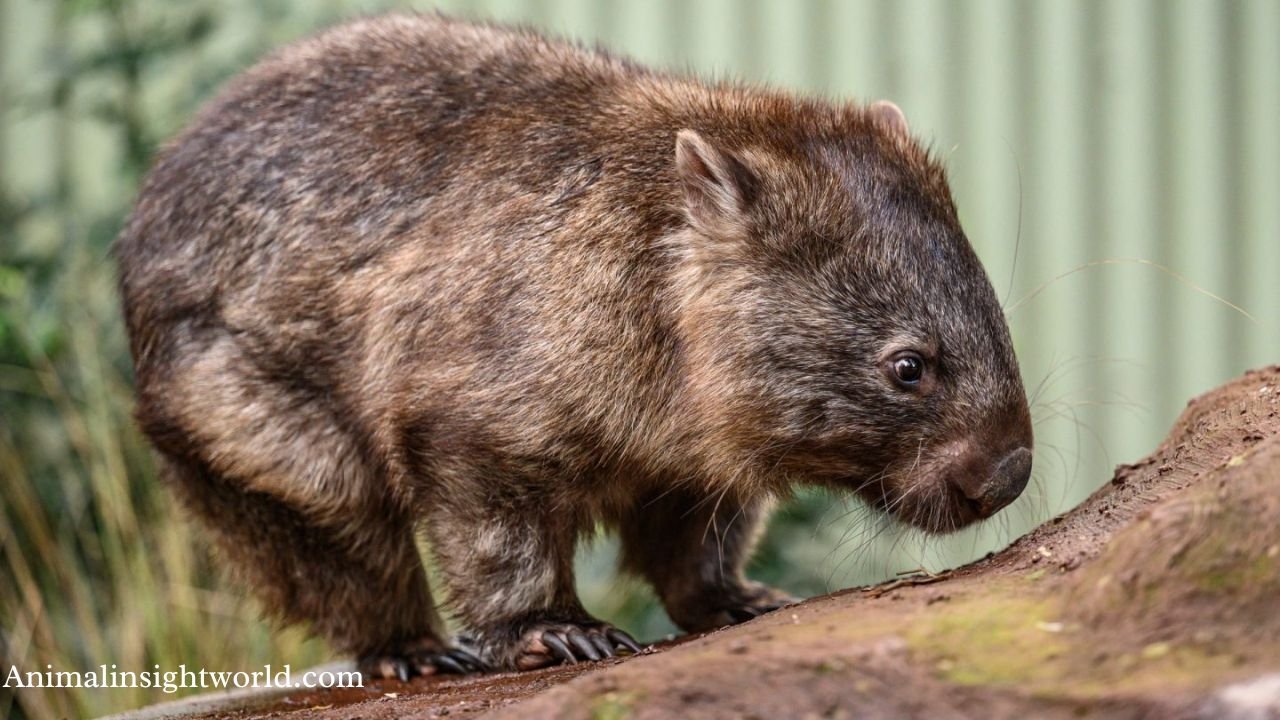
Wombats are truly nature’s little engineers, renowned not only for their robust, stocky bodies but also for their remarkable burrowing skills. These nocturnal marsupials can dig extensive tunnel systems that serve as homes, complete with intricate chambers for sleeping and breeding. Their burrows provide a refuge from harsh weather and predators, showcasing how evolution has equipped wombats with an impressive survival strategy.
Interestingly, wombats are also notable for their unique feces; they produce cube-shaped droppings. This peculiar shape keeps the feces from rolling away, marking territory with style in their rugged Australian habitat. It’s a clever adaptation, allowing other wombats to easily identify boundaries and maintain social hierarchies. Moreover, their herbivorous diet primarily consists of tough, fibrous plants, which they digest slowly thanks to their lengthy intestines — a trait that reflects their resourceful approach to nutrition in an often-scarce environment.
Chinchilla
Scientific Name: Chinchilla lanigera
Chinchillas, with their velvety fur and playful nature, bring a unique charm that few other animals can match. Captivating in their agility, these small mammals are native to the Andes mountains, where they have adapted to thrive in a harsh environment. Their ability to jump up to six feet in the air is not only impressive but serves as a vital defense mechanism against predators in the wild.
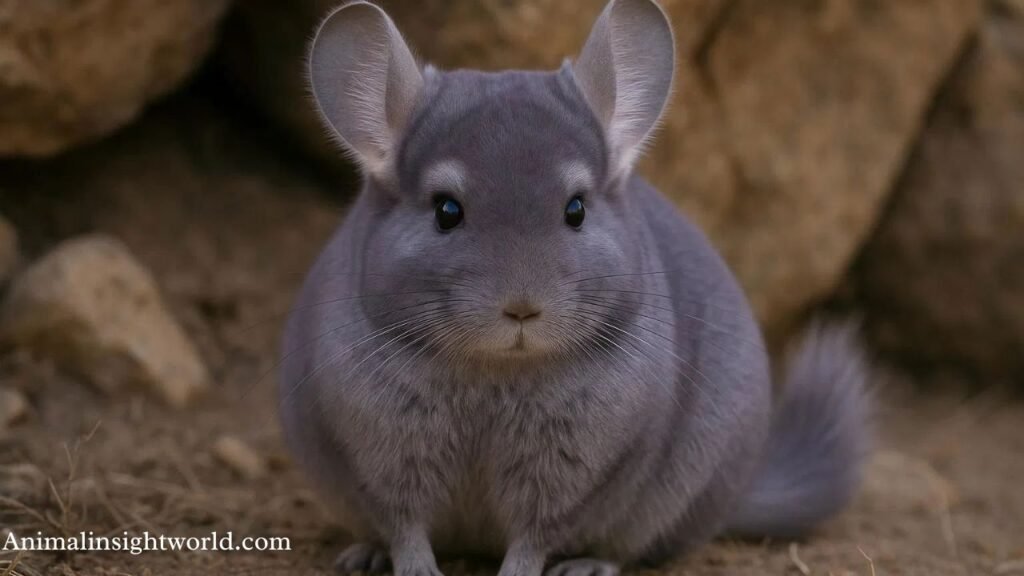
Beyond their adorable appearance, chinchillas have a rich history that lends them an alluring mystique. Once sought after for their luxurious fur, they are now cherished for their companionship rather than their pelts. This shift highlights a growing awareness of animal welfare and the importance of ethical pet ownership. Engaging with a chinchilla can be a delightful experience — as they interact playfully and often form deep bonds with their caretakers. Their unique vocalizations, ranging from soft chirps to loud barks, create a rich tapestry of communication that allows owners to forge a deeper connection with these fascinating creatures.
Readmore: Explore Top 16 Animals with Long Horns.
Hamster
Scientific Name: Cricetinae
Hamsters offer a unique glimpse into the intricate world of small animals. These little creatures, with their curious nature and charming antics, are more than just fluffy companions; they are fascinating examples of resilience and adaptability. For instance, in the wild, hamsters are nocturnal foragers that have evolved to thrive in arid environments, showcasing a remarkable ability to store food in their cheek pouches for later use. This feature not only aids their survival but also illustrates their instinctual resourcefulness in the face of scarcity.
Beyond their survival skills, hamsters exhibit a rich array of behaviors that can captivate any observer. From the way they burrow and explore their habitats to their quirky habit of running endlessly on wheels, hamsters present a lively display of personality. Each species, whether it’s the energetic Syrian or the sociable dwarf hamster, offers a new dimension of interaction, inviting owners to engage in varied ways. Their playful antics can lead to unexpectedly fun moments, making them a delightful choice for families and individuals alike. Adopting a hamster may just spark a newfound appreciation for the complexities of animal behavior and the joy that small, everyday encounters can bring.
Grizzly Bears
Scientific Name: Ursus arctos horribilis
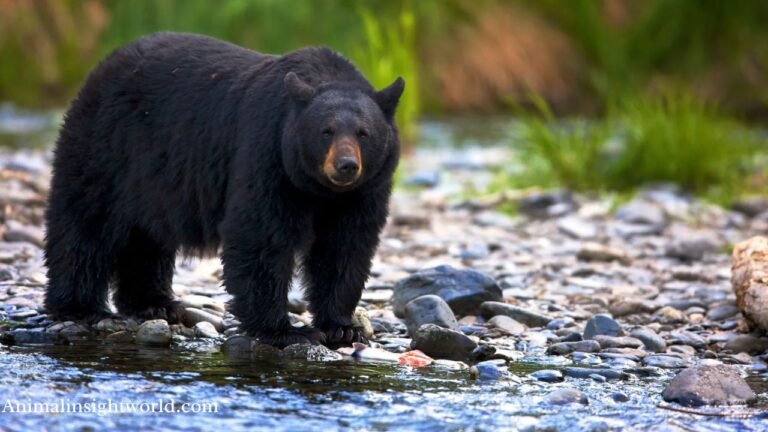
Grizzly bears are not just magnificent apex predators; they embody the resilience of nature itself. Emerging from hibernation in early spring, these bears display remarkable adaptability as they scavenge for food after months of dormancy. A grizzly’s diet is surprisingly diverse, ranging from salmon that leap upstream to gather nutrients, to roots and berries that sustain them throughout the seasons. This omnivorous diet allows them to thrive in various ecosystems, demonstrating their remarkable ability to adjust based on available resources.
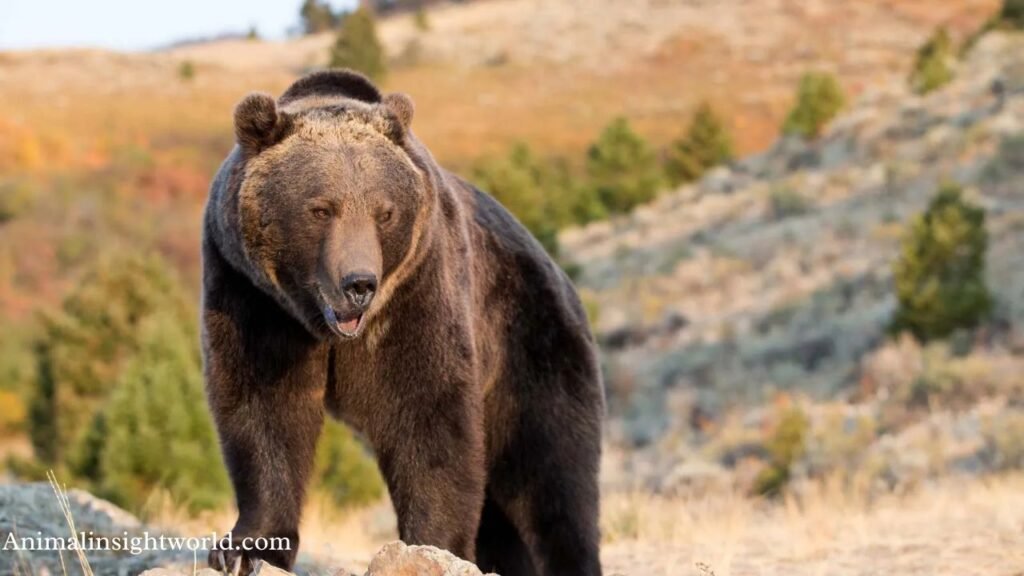
Watching a grizzly in its natural habitat offers a mesmerizing glimpse into the life of these majestic creatures. Their powerful presence is coupled with surprising grace, especially when walking along riverbanks or navigating through dense forest underbrush. Bears communicate through a complex array of sounds and body language, from grunts of contentment to warning growls that exhibit their protective nature. Understanding grizzly behavior sheds light on their intelligence and emotional depth, prompting a deeper appreciation for the role they play in maintaining ecological balance. As guardians of their environment, grizzlies remind us of the interconnectedness of life, urging us to respect and preserve the wild spaces they call home.
Shrew
Scientific Name: Soricidae
Shrews possess a fascinating blend of attributes that challenge our perceptions of small mammals. With their high metabolism and insatiable appetites, these tiny creatures require a daily intake of food equivalent to their body weight. This voracious feeding habit is not merely a quirk; it plays a crucial role in their natural habitat, helping to control insect populations and contributing to the overall health of ecosystems.
Beyond their ecological impact, shrews are also remarkable for their unique adaptations. Their ability to produce venom makes them stand out among small mammals, with certain species using it to immobilize prey much larger than themselves. This surprising trait reshapes our understanding of predatory behavior, reminding us that the animal kingdom has many layers of complexity. Whether darting through leaf litter or navigating through underground tunnels, shrews embody resilience and resourcefulness, reminding us that even the smallest creatures can have a significant impact on the world around them.
Manx Cat
Scientific Name: Felis catus
The Manx cat is a marvel of evolution, characterized by its distinctive lack of a tail, attributed to a natural mutation. This intriguing breed hails from the Isle of Man, where legend intertwines with reality — local folklore often paints them as mystical creatures with a body that seems to defy convention. What’s fascinating is that this absence of a tail isn’t merely a quirky trait; it can often influence the cat’s overall balance and agility. Manx cats are not just unique in appearance; they also possess robust personalities that range from playful to fiercely independent, making them captivating companions for those who appreciate spontaneity.
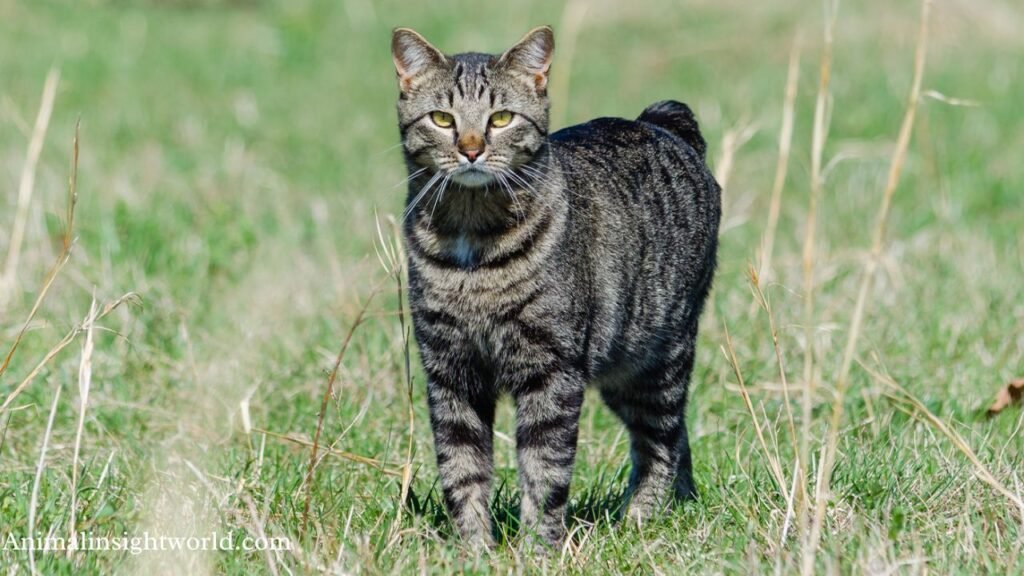
Beyond their physical attributes, Manx cats exhibit a remarkable combination of intelligence and curiosity. Their inquisitive nature encourages them to explore and engage with their surroundings, often leading them to develop a peculiar fondness for interactive play. owners often note that these cats are quick learners, showing an affinity for solving puzzles and even playing fetch. In homes with varied terrains — such as multi-level spaces or outdoor access — Manx cats thrive, gracefully navigating their environment while entertaining their human companions with their athleticism and charm. Each encounter with a Manx cat feels like discovering a new layer of personality, creating an unforgettable bond that keeps cat lovers enchanted.
Rabbit
Scientific Name: Oryctolagus cuniculus
Rabbits are often celebrated for their adorable appearance, but they also possess remarkable qualities that make them intriguing companions. These creatures are not just symbols of fertility; their unique behaviors and remarkable adaptability reveal a depth that many people overlook. For instance, did you know that rabbits have a complex communication system? They thump their hind legs to signal danger or express excitement, showcasing a keen awareness of their surroundings.
Moreover, rabbits exhibit impressive emotional intelligence. They can form deep bonds with their human caregivers and even other animals, displaying affection through gentle nuzzles and playful hops. This ability to connect opens up a rich dialogue about how we can learn from them — embracing vulnerability and appreciating those simple moments of companionship that enrich our lives. Engaging with a rabbit can also encourage mindfulness, as their calm demeanor invites us to slow down and appreciate the present.
Bobcat
Scientific Name: Lynx rufus
The bobcat, a striking wild feline found across North America, has adapted remarkably to diverse habitats, from dense forests to arid deserts. More than just a solitary predator, the bobcat plays a vital role in maintaining ecological balance by controlling populations of small mammals. Each sighting is a reminder of nature’s resilience and the importance of preserving such majestic creatures in their natural habitats.
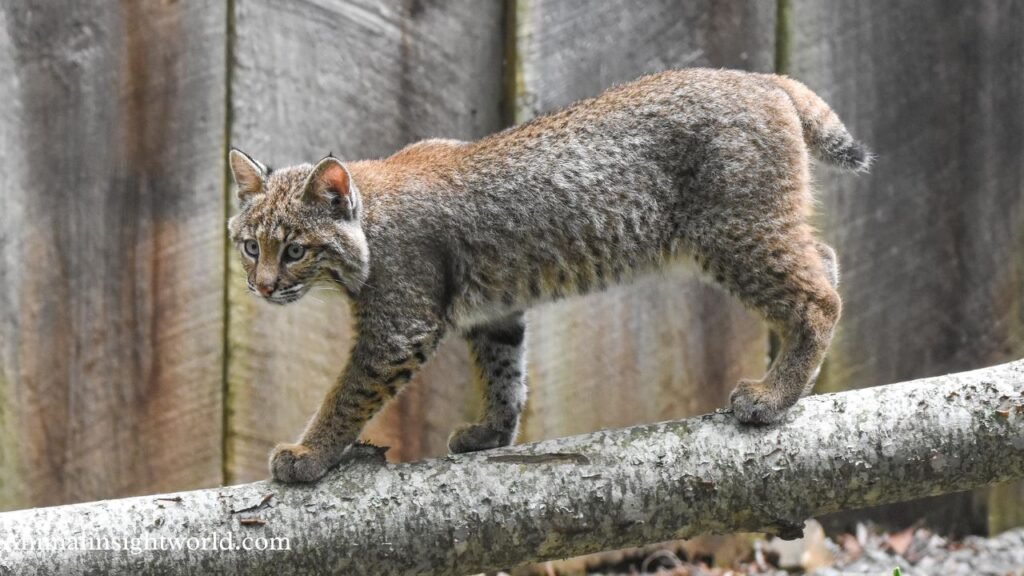
Interestingly, the bobcat’s adaptability goes beyond its environment; it has also demonstrated an impressive ability to thrive in suburban areas. This phenomenon raises intriguing questions about wildlife dynamics in urban settings. As cities expand, bobcats have learned to navigate human-dominated landscapes, often venturing into residential neighborhoods in search of food. This synthesis of wild and urban life underscores the need for coexistence strategies that respect wildlife while accommodating human development. Observing how these creatures manage their dual existence can inspire innovative conservation approaches that benefit both wildlife and communities.
Panda
Scientific Name: Ailuropoda melanoleuca
Pandas, often perceived as lazy, spend about 10-16 hours a day foraging for bamboo, which constitutes about 99% of their diet. This singular focus on bamboo, despite its low nutritional value, showcases their evolutionary adaptations. Interestingly, pandas have a unique digestive system that breaks down cellulose, allowing them to extract the minimal nutrients present in their fibrous meals.
Moreover, the reproductive habits of pandas present a fascinating study in contrast to their otherwise solitary lifestyle. Female pandas are in estrus only once a year, and during this brief period, their mating call can ring out across the forests, attracting potential mates. The challenges of breeding in captivity have led to innovative strategies in wildlife conservation, demonstrating how human intervention can support species survival. This interplay of isolation and connection offers a refreshing glimpse into the complexity of an animal we often view as merely cute.
Koala
Scientific Name: Phascolarctos cinereus
Koalas, often seen as Australia’s quintessential marsupials, possess an intriguing blend of charm and uniqueness that extends beyond their fluffy appearance. These nocturnal mammals spend most of their lives nestled in eucalyptus trees, relying almost exclusively on the leaves for sustenance. Interestingly, their specialized digestive systems allow them to process these tough, low-nutrient leaves, showcasing an evolution finely tuned to their habitat. As they indulge in a diet high in fibrous material, they may sleep up to 20 hours a day to conserve energy — a fascinating biological adaptation.
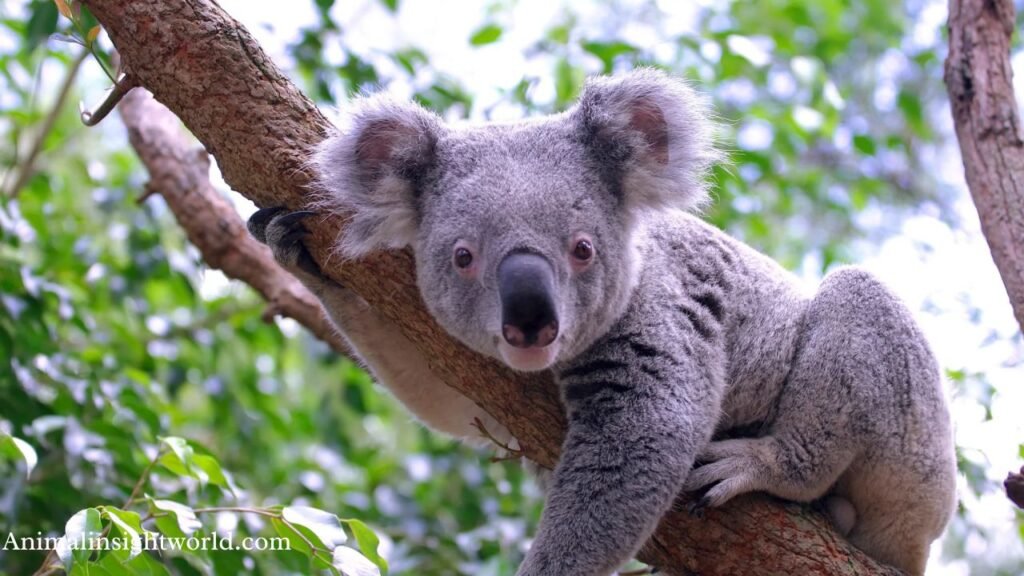
However, the koala’s seemingly tranquil existence is under increasing threat due to habitat destruction and climate change. Urban development and wildfires pose significant challenges, edging these lovable creatures closer to the brink of extinction. On a positive note, conservation efforts are gaining momentum, emphasizing the importance of protecting their essential habitats. Engaging communities in conservation efforts can foster a deeper appreciation for these iconic animals, creating a collaborative environment for their survival. By understanding the delicate balance of their ecosystem, we can contribute to ensuring that future generations are also captivated by these emblematic creatures of Australia.
Deer
Scientific Name: Odocoileus virginianus
Deer are remarkable creatures, embodying agility and grace while serving as vital components of many ecosystems. Their ability to adapt to diverse habitats — from dense forests to open grasslands — showcases their resilience. Interestingly, the various species of deer have evolved distinct traits to survive in their specific environments; for instance, the majestic elk boasts impressive antlers that serve both a defensive purpose and a display for attracting mates, reflecting a blend of utility and beauty in nature.
Moreover, deer possess an exceptional sense of smell, which is crucial for detecting predators. This heightened awareness contributes to their fascinating behavioral patterns, often seen in their cautious movements and clever use of cover. Fascinatingly, recent studies have revealed that deer can communicate through subtle body language and even vocalizations, enhancing their interactions with fellow herd members. This intricate understanding of their environment not only underscores their intelligence but also highlights their critical role in maintaining the health of their ecosystems by aiding in seed dispersion and influencing plant growth patterns.
Polar Bears
Scientific Name: Ursus maritimus
Polar bears, the true monarchs of the Arctic, possess adaptations that go beyond their striking white fur. Their skin is actually black, which absorbs heat from the sun, while a thick layer of blubber insulates them against frigid temperatures. This physiology is crucial, especially as climate change erodes their sea ice habitat, a vital platform for hunting seals, their primary prey. The dwindling ice not only threatens their food supply but also disrupts their migratory patterns, forcing them to swim longer distances in search of sustenance.
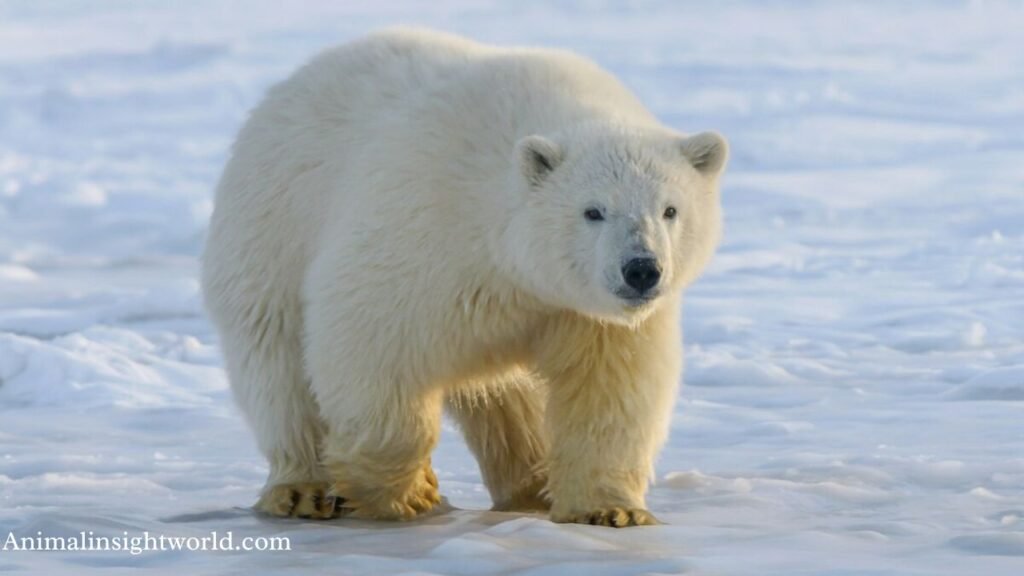
Beyond their physical prowess, polar bears exhibit remarkable behaviors that reflect their intelligence. Mothers nurture their cubs with an intensely protective instinct, teaching them vital survival skills during the critical early years. In some cases, polar bears have been observed engaging in play, which isn’t merely for amusement; it’s a method for cubs to develop their hunting tactics and social skills. As we watch these magnificent creatures face unprecedented challenges, it’s essential to champion conservation efforts that protect their environment, not just for their survival, but for the intricate web of life that thrives in the Arctic.
Readmore: Explore 16 Common Animals That Eat Seeds.
Final Thoughts
Animals with short tails showcase the incredible diversity and adaptability of the animal kingdom. These creatures, ranging from domestic cats to certain species of rodents, have evolved their tail lengths to suit their environments and lifestyles. Short tails can serve various purposes, such as balancing while climbing, maintaining agility, and even enhancing communication among species. By understanding the unique characteristics and evolutionary significance of these animals, we gain deeper insights into their behaviors and ecosystems. Let’s take a moment to appreciate the fascinating roles these short-tailed animals play in our world and consider ways to protect their habitats for generations to come.
FAQs
Which animal has the shortest tail?
The animal with the shortest tail is often considered to be the bobtail cat, specifically breeds like the Manx. These cats are known for their naturally short or even absent tails due to a genetic mutation. In addition to their unique tails, they are also celebrated for their playful and affectionate personalities, making them popular among cat lovers.
Why do bobcats have stubby tails?
Bobcats have stubby tails as a part of their evolutionary adaptation. These short tails, typically around 4 to 6 inches long, help them with balance and agility while navigating through their varied habitats. In the wild, bobcats are agile hunters, often stalking and pouncing on prey. A shorter tail can enhance stability, allowing them to make quick turns and powerful leaps without being hindered by an elongated appendage.
Does a bear have a short tail?
Yes, bears do have relatively short tails compared to other mammals. The tail of a bear typically measures about 4 to 7 inches long, depending on the species.