Top 16 Animals With the Strongest Legs
Legs are among the most important parts of an animal’s body, used for running, jumping, kicking, climbing, and swimming. Some animals have legs so powerful they can kill a predator with a single kick, while others use their legs to jump many times their own body length or to run at incredible speeds. In this list, we look at sixteen animals with the strongest legs in the animal kingdom, from the kangaroo that bounds across the outback to the ostrich that can kill a lion with a kick. Each one shows how legs have been shaped by the demands of speed, power, and survival.
1. Red Kangaroo
The red kangaroo has the most powerful hind legs of any marsupial, able to leap up to nine metres in a single bound and to reach speeds of more than seventy kilometres per hour. Its legs are long and muscular, with elastic tendons that store energy when it lands and release it when it takes off, making hopping very efficient. Male red kangaroos use their legs to fight, kicking with great force during boxing matches over mates and territory. A kick from a red kangaroo can seriously injure a human or a dog, and it is one of the most powerful kicks in the animal kingdom. Red kangaroos live in the dry interior of Australia, where they travel long distances in search of food and water. Their legs are the key to their success in the outback, allowing them to move quickly and efficiently across vast distances.
2. Ostrich
The ostrich has the most powerful legs of any bird, able to run at speeds of up to seventy kilometres per hour and to deliver a kick that can kill a lion. Its legs are long and muscular, with only two toes, which is unique among birds, and the inner toe has a large, sharp claw that acts like a hoof. Ostriches use their legs to run from predators, and they can maintain high speeds for long distances. When cornered, an ostrich will kick forward with tremendous force, and its kick has been known to kill humans. Ostriches are the largest birds in the world, standing up to two and a half metres tall and weighing up to one hundred and fifty kilograms. They live in the savannas and deserts of Africa, where their powerful legs are essential for survival in open country with few places to hide.
3. Horse
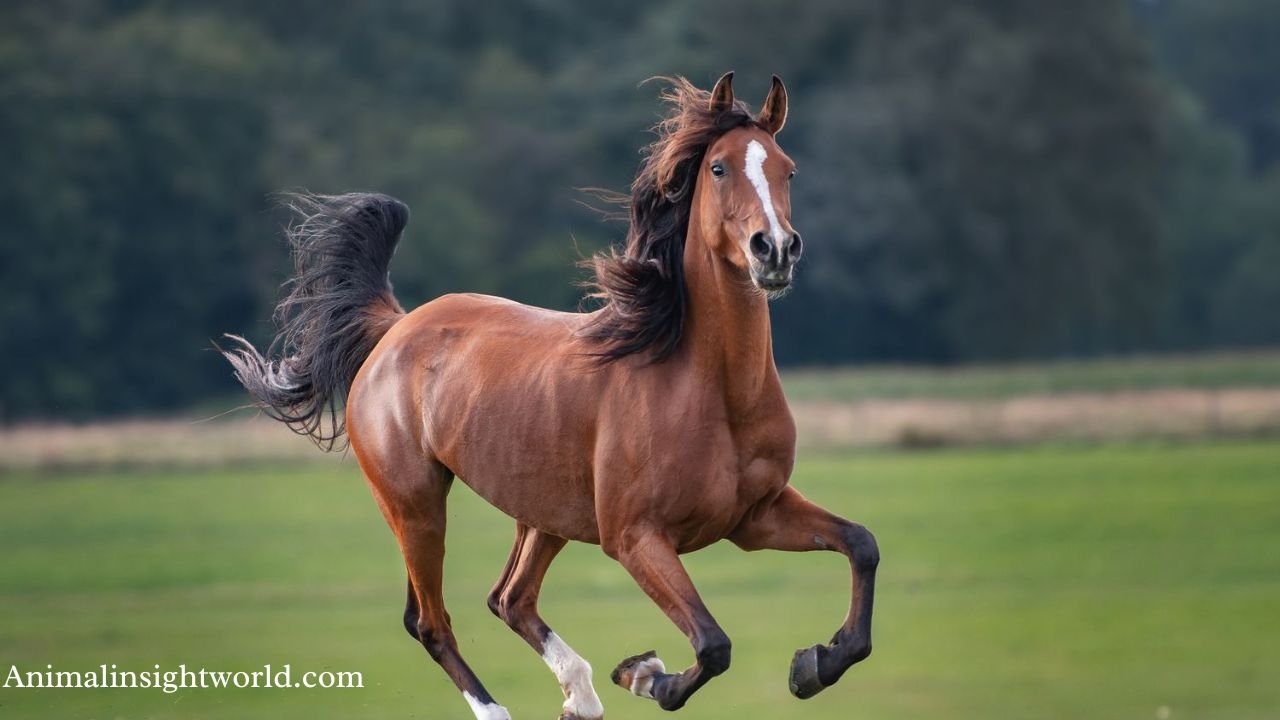
The horse has powerful legs that have been shaped by evolution for running, with long, slender bones, strong muscles, and a single hoof on each foot. Horses can gallop at speeds of up to seventy kilometres per hour, and they can run for long distances without tiring. Their legs are designed for speed and endurance, with elastic tendons that store energy and a lightweight structure that reduces the energy needed to run. Horses use their legs to escape predators, and their kick can be deadly, with a force of more than a tonne. Domestic horses have been bred for thousands of years for speed, strength, and endurance, and they are used for racing, working, and riding. Wild horses, such as the Przewalski’s horse, still roam the steppes of Central Asia, where their powerful legs help them survive in harsh conditions.
4. Cheetah
The cheetah has long, slender legs that are built for speed, allowing it to reach speeds of more than a hundred kilometres per hour in short bursts. Its legs are longer than those of other cats relative to its body size, and its flexible spine allows it to take huge strides, covering up to seven metres in a single bound. Cheetahs have semi-retractable claws that act like spikes, giving them grip when they run, and their tails act as rudders for steering at high speed. They hunt by sight, stalking prey until it is within range, then launching a high-speed chase that lasts less than a minute. Cheetahs are the fastest land animals in the world, and their legs are the key to their success. Their speed comes at a cost, as they overheat quickly and must rest after a chase, but for a few seconds, no animal on land can match them.
5. Frog
Frogs have powerful hind legs that allow them to jump more than twenty times their own body length in a single leap. Their hind legs are much longer than their front legs, and they are packed with muscles that provide the force for a jump. When a frog jumps, it extends its hind legs suddenly, launching itself into the air and landing on its front legs. Some frogs can jump more than a metre, which is a remarkable distance for such a small animal. Frogs use their legs to escape predators, to catch insects, and to move between ponds and vegetation. Their legs are also used for swimming, with webbed feet that help them propel themselves through the water. Frogs are found all over the world, in ponds, forests, and gardens, and their powerful legs are a key part of their survival.
6. Grasshopper
The grasshopper has powerful hind legs that allow it to jump twenty times its own body length, thanks to large muscles and the elastic protein in its joints. When a grasshopper jumps, it stores energy in its leg muscles and tendons, then releases it in a sudden burst that launches it into the air. Once airborne, it can spread its wings and fly to a new location. Some grasshoppers can jump more than a metre, which is an extraordinary distance for an insect only a few centimetres long. Grasshoppers use their legs to escape predators and to move through grass and vegetation. They are found all over the world, and they are an important food source for birds, reptiles, and mammals. Their jumping is one of the main reasons they are so successful, and their legs are among the strongest of any insect relative to their size.
7. Elephant
The elephant has the strongest legs of any land animal in terms of sheer weight-bearing power, with each leg able to support several tonnes. An African elephant can weigh up to six tonnes, and its legs are like pillars, with thick bones and powerful muscles that support its massive body. Elephants use their legs to walk long distances, to dig for water, and to defend themselves, and they can run at speeds of up to forty kilometres per hour when threatened. Their feet have cushioned pads that help them walk quietly and that absorb the shock of their weight. Elephants are the largest land animals in the world, and their legs are a marvel of engineering, able to carry a huge body for decades. Without their strong legs, elephants could not travel the long distances they need to find food and water.
8. Giraffe
The giraffe has long, powerful legs that allow it to run at speeds of up to sixty kilometres per hour and to deliver a kick that can kill a lion. Its legs are more than a metre and a half long, and they are strong enough to support its massive body, which can weigh more than a tonne. Giraffes use their legs to run from predators, and their kick is one of the most powerful of any animal. They also use their legs to reach food, standing with their legs splayed to drink water or to graze on low vegetation. Giraffes are the tallest land animals in the world, standing up to six metres tall, and their long legs are an essential part of their height. Their legs are also used in fights between males, who swing their necks and legs at each other in contests for dominance.
9. Moose
The moose is the largest deer in the world, with long, powerful legs that allow it to wade through deep snow and swamps and to run at speeds of up to fifty-five kilometres per hour. Its legs are long and sturdy, with large, splayed hooves that act like snowshoes, spreading its weight on soft snow and mud. Moose use their legs to kick predators such as wolves and bears, and a kick from a moose can be fatal. They live in the northern forests of North America, Europe, and Asia, where they feed on leaves, twigs, and aquatic plants. Moose are solitary animals, and they are excellent swimmers, able to cross lakes and rivers with ease. Their long legs are essential for life in the deep snow and wetlands of the north, where other deer would struggle to move.
10. Zebra
The zebra has strong, powerful legs that allow it to run at speeds of up to sixty-five kilometres per hour and to deliver a kick that can kill a lion. Its legs are long and muscular, with hard hooves that provide traction on the savanna. Zebras use their legs to escape predators, and they can run for long distances without tiring. When cornered, a zebra will kick backwards with tremendous force, and its kick has been known to break a lion’s jaw. Zebras live in herds on the savannas of Africa, where they graze on grasses and migrate in search of food and water. Their stripes provide camouflage, breaking up their outlines in the dappled light. Zebras are a favourite prey of lions and hyenas, but their powerful legs and their speed make them difficult to catch.
11. Wildebeest
The wildebeest has strong, muscular legs that allow it to run at speeds of up to eighty kilometres per hour and to migrate hundreds of kilometres across the African savanna. Its legs are built for endurance, with powerful muscles and hard hooves that can handle the rough terrain of the savanna. Wildebeest migrate in huge herds, following the rains and the fresh grass, and their legs carry them across rivers and plains. They are prey for lions, hyenas, and crocodiles, and their speed and stamina are their main defences. Wildebeest can run for long distances without tiring, and they are known for their stamina during the great migration, when more than a million animals travel in a continuous stream across the Serengeti and the Masai Mara. Their legs are a marvel of endurance.
12. Springbok
The springbok has slender, powerful legs that allow it to leap more than three metres high and to run at speeds of up to ninety kilometres per hour. It is famous for its pronking, a spectacular leap in which it jumps high into the air with all four legs stiff and its back arched. Springboks use their legs to escape predators such as cheetahs and lions, and their speed and agility make them difficult to catch. They live in herds on the dry grasslands of southern Africa, where they graze on grasses and shrubs. Springboks can go for long periods without drinking water, getting moisture from the plants they eat. Their legs are perfectly adapted to life on the open plains, where speed is the best defence against predators.
13. Kangaroo Rat
The kangaroo rat has powerful hind legs that allow it to jump more than a metre in a single bound, which is remarkable for an animal only a few centimetres long. Its legs are long and muscular, with a long tail for balance, and it uses them to leap away from predators such as owls and snakes. Kangaroo rats live in the deserts of North America, where they feed on seeds and rarely drink water. Their jumping ability is essential for survival in the desert, where they must move quickly to escape predators and to find food. Kangaroo rats are nocturnal, emerging at night to forage, and they are constantly alert for danger. Their legs are among the strongest of any small mammal relative to their size, and they are a marvel of desert adaptation.
14. Serval
The serval is a medium-sized wild cat with long, powerful legs that allow it to leap more than three metres high to catch birds in flight. Its legs are the longest relative to body size of any cat, and they give the serval a distinctive, leggy appearance. Servals use their legs to pounce on prey in tall grass, leaping high into the air and landing on rodents and birds with their front paws. They have large ears that help them detect prey, and they are excellent hunters, with a success rate of around fifty percent. Servals live in grasslands and wetlands in Africa, where they hunt at night and during the early morning. Their long legs help them see over tall grass and move through wetlands, and they are essential for their hunting success.
15. Hare
The hare has long, powerful hind legs that allow it to run at speeds of up to seventy kilometres per hour and to leap several metres in a single bound. Its legs are longer than those of rabbits, and they are built for speed and endurance on open ground. Hares live in grasslands and farmland, where they feed on grasses and herbs, and they are prey for foxes, eagles, and dogs. Their speed and agility are their main defences, and they can change direction suddenly to throw off a pursuer. Hares are larger than rabbits, with longer ears and longer legs, and they live above ground in shallow depressions called forms. Their powerful legs are essential for survival in open country, where there is little cover and speed is the best defence.
16. Flea
The flea has remarkably powerful legs for its size, able to jump more than two hundred times its own body length. Its hind legs contain a special elastic protein called resilin, which stores energy like a spring and releases it in a sudden burst. Fleas use their legs to jump between hosts, moving from one mammal or bird to another in search of blood. They can jump around twenty centimetres high, which is equivalent to a human jumping over a tall building. Fleas are parasites that feed on the blood of mammals and birds, and their jumping ability is essential for finding hosts and escaping from grooming animals. Their legs are among the strongest of any animal relative to their size, and they are a marvel of miniaturised engineering.
Strong legs come in many forms, from the pillar-like legs of the elephant to the spring-loaded legs of the flea. The sixteen animals in this list show how legs have been shaped by the demands of running, jumping, kicking, and carrying weight. Some legs are built for speed, some for power, and some for endurance, but all of them are essential for the animal’s survival. The next time you see a kangaroo bounding across a field or a horse galloping across a plain, take a moment to appreciate the power and elegance of legs that have been perfected by millions of years of evolution.
How These Animals Compare
Strong legs come in many forms, and comparing these animals shows that leg strength is about the job, not just size. The red kangaroo uses its huge hind legs to bound across the outback, covering up to nine metres in a single leap, while the ostrich uses its long, powerful legs to run at 70 kilometres per hour, the fastest of any bird on land. The horse’s legs are built for endurance, carrying it for kilometres at a gallop, and the elephant’s pillar-like legs support the heaviest land animal on Earth, up to six tonnes.
Smaller animals are stronger for their size. The flea can jump 200 times its own height, the grasshopper and the frog leap many times their body length, and the kangaroo rat can jump to escape a snake in a fraction of a second. The cheetah’s legs are built for explosive speed, the zebra and the wildebeest run to escape predators on the open savanna, and the giraffe’s long legs let it cover ground quickly despite its size. The serval’s long legs help it leap high into the air to catch birds, and the hare’s powerful hind legs let it zigzag away from foxes and eagles.
Frequently Asked Questions
Which animal has the strongest legs on this list?
The elephant has the strongest legs in absolute terms, supporting up to six tonnes of body weight, while the red kangaroo has the most powerful legs for jumping, covering up to nine metres in a single bound. For its size, the flea is strongest, jumping 200 times its own height.
How do elephants support so much weight on their legs?
Elephants have pillar-like legs with straight bones that carry their weight vertically, and their feet have a large cushion of fat and tissue that spreads the load. An elephant can weigh up to six tonnes, yet it can walk silently and even run at around 25 kilometres per hour.
Why are ostrich legs so powerful?
Ostriches have long, muscular legs with only two toes, which help them run at up to 70 kilometres per hour, the fastest of any bird on land. Their legs are also powerful weapons: an ostrich can kick with enough force to kill a lion.
Can a flea really jump 200 times its height?
Yes. A flea can jump around 200 times its own height, which would be like a human jumping over a 30-storey building. It stores energy in a spring-like protein in its legs and releases it all at once to launch itself into the air.
Final Thoughts
Strong legs come in many forms, from the pillar-like legs of the elephant to the spring-loaded legs of the flea. Whether the job is running, jumping, kicking or simply standing under tonnes of weight, these sixteen animals show that legs are among the most useful tools in nature. Strength is not always about size; sometimes it is about design.