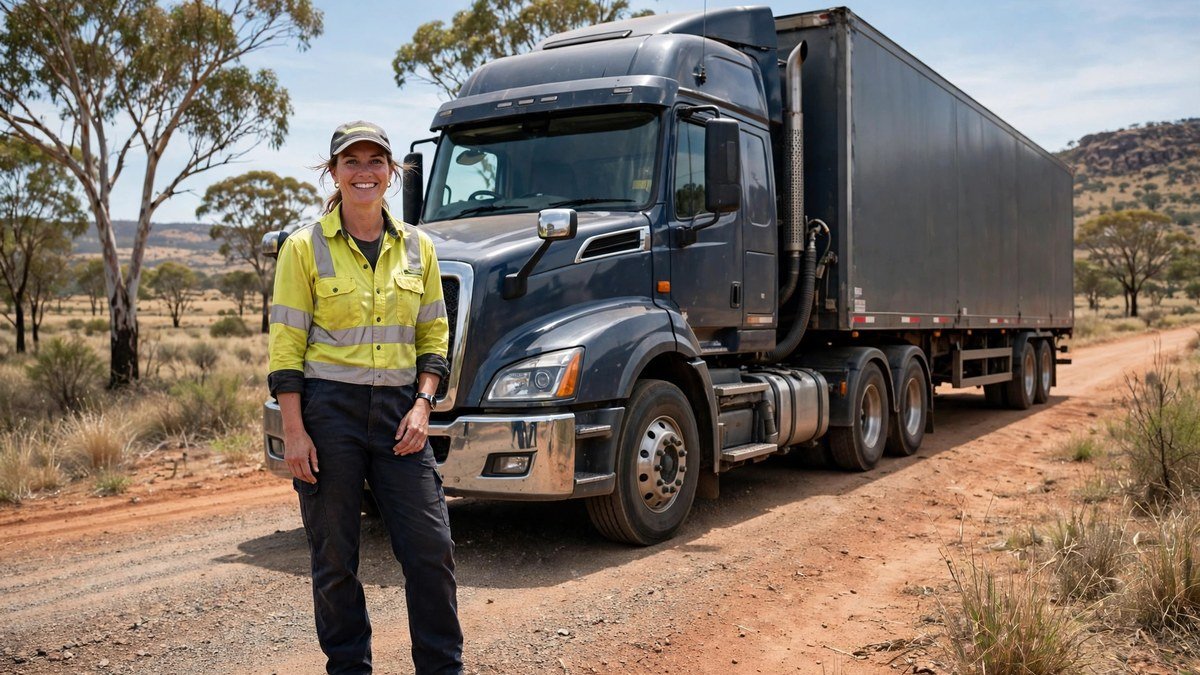
Pakistan Truck Driver Jobs with Visa Sponsorship 2026
Truck drivers keep economies moving. Food, fuel, building materials, medicines, and consumer goods all travel by road, and without drivers those supply chains stop. For Pakistani workers, truck driving abroad is one of the most established routes to overseas employment. Pakistani drivers are found on the roads of the Gulf, Europe, and other regions, driving heavy goods vehicles, tankers, trailers, and delivery trucks. Many employers are willing to sponsor suitable drivers, which makes this a practical option for a licensed Pakistani driver who wants to work abroad in 2026.
For a Pakistani truck driver, visa sponsorship means a transport company or logistics employer abroad is willing to back your work visa application, usually by issuing a genuine job offer and a contract and supplying the documents immigration authorities ask for, such as proof that the driving job exists and that you hold the right licence. That backing is not a promise that the visa will be approved. The government of the destination country makes the final call, weighing its own rules, any quota on that route and the strength of your documents, so a person who offers a guaranteed visa in exchange for a large payment in advance should not be trusted.
This article explains Pakistan truck driver jobs with visa sponsorship in 2026 in honest, practical terms. It covers the types of driving work available, what the job involves, the licences and documents employers expect, how to apply step by step, what pay and life on the road look like in general terms, and the mistakes that cost good drivers their chance. It does not promise a job or a visa. It gives you information you can act on.
Why Pakistani Truck Drivers Are in Demand
Pakistan has a large and experienced community of professional drivers. Long-distance trucking is a major part of life in Pakistan, with drivers moving goods between Karachi, Lahore, Islamabad, Peshawar, Quetta, and the ports and borders. That experience transfers directly to driving work abroad.
Experience on long routes is the first strength. A Pakistani driver who has spent years on motorways and mountain roads, in all weather, with heavy loads, already understands vehicle control, load security, route planning, and the discipline of long hours behind the wheel. Employers value that because it shortens training and reduces risk.
Familiarity with heavy vehicles is the second strength. Many Pakistani drivers have operated trucks, trailers, tankers, and dumpers. They know how to handle a large vehicle in traffic, how to reverse a trailer, how to check brakes and tyres, and how to carry out basic daily inspections. That practical knowledge is hard to teach quickly to a new driver.
Adaptability is the third strength. Driving abroad often means long periods away from home, night driving, shared accommodation between trips, unfamiliar roads, and different traffic rules. Drivers who adjust, follow the rules, and complete their routes reliably are the ones employers keep and recommend. Recruitment agencies report that transport companies which had a good experience with Pakistani drivers often return for more.
Language also helps. Many Pakistani drivers understand basic English, enough to read road signs, delivery notes, and instructions, and to communicate with dispatchers. In the Gulf, Urdu is widely understood, which makes daily life and work easier for drivers from Pakistan.
Finally, there is a genuine shortage of truck drivers in many destination countries. Ageing driver populations, growth in e-commerce, and expanding logistics networks have left transport companies short of staff. That shortage is why employers in several countries are willing to sponsor drivers from abroad, including from Pakistan.
Types of Truck Driving Work Abroad
Truck driver is a general title. In practice, employers recruit for specific types of driving, and knowing which type you fit helps you apply for the right role.
Heavy goods vehicle drivers, often called HGV or LGV drivers, drive large trucks carrying general freight over long distances. This is the most common sponsored driving role. It usually requires a heavy vehicle licence and experience with large trucks.
Trailer and articulated lorry drivers drive a tractor unit with a detachable trailer. Reversing and manoeuvring an articulated vehicle is a specific skill, and employers usually ask for proven experience with this type of vehicle.
Tanker drivers transport fuel, chemicals, milk, water, or other liquids. This work needs extra care because liquid loads shift while driving, and hazardous loads need special training and certification. Tanker drivers are often paid more than general freight drivers, but the requirements are stricter.
Tipper and dumper drivers work mainly on construction sites and quarries, moving sand, gravel, soil, and building materials. The work is often local rather than long-distance, and it involves loading and unloading at sites.
Delivery drivers work for courier, retail, and e-commerce companies, delivering goods to shops, warehouses, and homes. These roles usually involve smaller vehicles, more stops, and more customer contact. Some delivery roles need only a light vehicle licence, while others need a heavy licence.
Bus and coach drivers are a related option, though the licence and passenger requirements differ. Some Pakistani drivers with bus experience move into coach or staff transport roles abroad, but those jobs have their own rules and checks.
Refrigerated transport drivers, often called reefer drivers, carry chilled or frozen food and medicines. They must monitor temperatures, follow cold-chain rules, and handle time-sensitive deliveries. Experience with refrigerated vehicles is an advantage.
The Vehicles You May Drive
Sponsored driving roles in Pakistan cover a range of vehicles, from rigid trucks and articulated lorries to tankers and tippers. Each type needs different experience: reversing a trailer, handling a liquid load, or working on a construction site all call for specific skills. Say clearly in your application which vehicles you have actually driven, because a practical test will check it.
What Truck Driving Abroad Actually Involves
A typical day for a truck driver abroad starts with a vehicle check. The driver inspects tyres, brakes, lights, mirrors, fluid levels, and the load, and reports any fault before leaving. This daily check is a legal and safety requirement in most countries, and skipping it is a serious matter.
The driver then follows the route and delivery schedule set by the dispatcher or the transport management system. Long-distance drivers may spend many hours on the road, with legally required rest breaks. Local drivers may make many short trips in a day. In both cases, the driver must keep to the schedule, follow traffic laws, and keep accurate records.
Loading and unloading are part of the job in many roles. The driver may supervise loading, check that the load is secure and evenly distributed, sign delivery notes, and confirm that the right goods are delivered to the right place. Incorrect paperwork or an unsecured load can cause delays, fines, or accidents.
Record keeping matters more abroad than many drivers expect. Tachographs, digital logs, delivery notes, and electronic proof of delivery are standard in many countries. Drivers must record driving hours, rest periods, and deliveries accurately. Falsifying records is a serious offence and can lead to fines, loss of licence, and loss of the job.
Road rules differ by country, and learning them is essential. Speed limits, driving hours, rest requirements, toll systems, and low-emission zones all vary. A driver who ignores local rules risks fines, penalty points, and, in serious cases, losing the right to drive in that country.
Life on the road is structured and often solitary. Long-distance drivers spend nights in the cab or in provided accommodation, eat at roadside facilities, and spend long periods away from family. It suits drivers who are comfortable with independence and routine, but it is not for everyone. Thinking honestly about whether that lifestyle suits you is important before you apply.
Licence, Documents and Requirements for Truck Drivers
A driving job abroad starts with the licence. Without the right licence, nothing else matters.
Most employers require a valid Pakistani heavy transport vehicle licence, often called HTV, with a clean record. The licence category must match the vehicle you will drive. A light vehicle licence alone is usually not enough for heavy goods work. Keep your licence valid and free of serious endorsements. A history of serious traffic offences can stop an application.
In most destination countries, a foreign licence is not enough on its own for long-term work. Drivers usually need to convert their licence, pass a local driving test, or obtain the destination country’s licence after arrival. The exact process varies by country: some recognise a Pakistani licence for a limited period, others require a test soon after arrival, and some require training before the test. Employers often help with this process, but you should ask what is involved before you accept an offer. If a local test is required, prepare for it seriously. Failing a driving test after arrival can delay or end a contract.
Experience is a major factor. Employers usually prefer drivers with at least two or three years of heavy vehicle experience. A clear, honest driving history with employer names, vehicle types, routes, and dates builds trust. Exaggerated claims are risky: a practical driving test will expose them quickly.
A clean driving and criminal record matters. Immigration and licensing authorities check both. Serious offences, including drink driving, can lead to refusal. Be honest about your record; hiding it is worse than declaring it.
Medical fitness is important. Driving is a safety-critical job, and a medical examination is usually part of the visa and licensing process. Good eyesight, with glasses if needed, and general fitness are required. Some countries require a specific medical for professional drivers. Attend to health and eyesight problems before you apply.
Basic English is usually expected. You need to read road signs, delivery notes, and instructions, communicate with dispatchers, and understand safety information. Some countries require a basic English test for a work visa. Practising workplace English before you apply improves your chances.
Documents must be in order. A valid Pakistani passport, driving licence, experience letters from previous employers, a police clearance certificate where required, and photographs in the correct format are the usual set. Keep originals and copies organised.
For workers applying from Pakistan, use the proper channels. The Bureau of Emigration and Overseas Employment and licensed Overseas Employment Promoters play a formal role in overseas recruitment. Check that a promoter is licensed before paying anything or handing over original documents. Never leave your original passport or licence with an agent indefinitely, and always ask for receipts.
The Visa Route for Truck Drivers in Pakistan
When an employer offers truck driving work with visa sponsorship, it normally means the employer will provide the documents needed for a work visa application: a job offer, a contract, and in some countries a sponsorship certificate or labour approval. The employer may pay some government fees or arrange the application through a licensed agency. The exact arrangement varies by country, employer, and contract, so read the offer and ask what is covered.
Sponsorship does not guarantee a visa. Immigration officers decide, based on their country’s rules, quotas, labour market checks, and your documents. A visa can be refused if paperwork is incomplete, if the employer fails a check, if quotas are full, or if health, character, or driving record requirements are not met. No employer or agent can override that decision.
Sponsorship does not usually mean permanent residence or immediate family reunion. Most truck driver work visas are temporary and tied to a specific employer. Changing employers generally requires a new application or permission. Whether family can join depends on the visa category and the rules in force. Do not assume dependants can travel with you.
Verify the employer before you accept. A genuine transport company has a verifiable address, registration, fleet, and a written contract stating the job title, vehicle type, place of work, working hours, rest days, leave, and accommodation arrangements if any. Be cautious of offers that arrive only through messaging apps, demand large payments before an interview, or refuse to provide a written contract.
Rules change often. In 2026 many countries have adjusted work visa rules, with some routes tightening and others opening for shortage occupations including truck driving. Always check the current rules for the specific country through its official immigration website or embassy.
Applying the Right Way: A Step-by-Step Guide
Start by identifying the type of driving you do and the destination that fits it. A long-distance trailer driver should apply for trailer roles, not for local delivery work in a small van. Research the country’s cost of living, road rules, licence conversion process, and visa rules. A place with higher wages may have much higher living costs, so work out the real benefit before you commit. If truck driver jobs in Pakistan are not the right fit, factory worker jobs in Pakistan follow a similar sponsorship route.
Prepare documents and a CV early. Make sure your passport and licence are valid, gather experience letters, and write a short, honest CV listing your licence category, years of experience, vehicle types, employers, and routes. Two pages is enough. State your licence category clearly at the top so a recruiter can see it immediately. If truck driver jobs in Pakistan are not the right fit, construction worker jobs in Pakistan follow a similar sponsorship route.
Search through reliable channels: licensed Overseas Employment Promoters in Pakistan, official job portals of the destination country, careers pages of large transport and logistics companies, and government-to-government programmes where they exist. Check a promoter’s licence with the Bureau of Emigration and Overseas Employment before paying anything.
Apply only to roles that match your licence and experience. If a job asks for articulated trailer experience, highlight it. If it asks for tanker work, describe that experience. Generic applications rarely succeed.
Prepare for the interview and driving test. Interviewers may ask about your previous routes, the vehicles you drove, how you handle a breakdown, how you manage driving hours, and how you secure a load. A practical driving test is common: the examiner will check your vehicle inspection, manoeuvring, reversing, and road driving. Practise beforehand. Arrive on time, dress neatly, and bring your licence and documents.
If you receive an offer, read the contract before signing. Check the job title, vehicle type, employer name, place of work, hours, rest days, leave, accommodation, and notice period. Ask for written clarification if anything is unclear. Do not sign what you have not read, and do not pay a large fee before you hold a written offer from a verifiable employer.
A Pakistani truck driver should follow the official visa process in order: the transport company’s sponsorship documents first, then your passport, photographs, medical results, police clearance and driving licence record, submitted exactly as the visa centre or embassy directs. If biometrics or an interview are requested, attend them on the appointed day with your originals. Keep a full set of copies of everything you hand in, because a missing paper can hold up a driving job that is waiting for you.
Travel only after the visa is granted. Learn the basics about your destination, including emergency numbers, the Pakistani embassy location, and local driving rules. Keep important documents in hand luggage.
Costly Mistakes Applicants Make
The worst mistake a Pakistani truck driver can make is paying a large amount to an agent who is not licensed and who promises the visa is certain. That promise is worthless, since no agent controls the visa decision. Watch for the usual warning signs: a fee far above what licensed promoters charge, no receipt for money taken, and pressure to pay immediately before any written offer from a transport company has been shown.
False documents and exaggerated driving experience are another trap. A practical driving test will expose a false claim, and immigration checks can lead to refusal and bans.
Poor preparation for interviews and driving tests also costs jobs. Practise your driving, review your work history, and be ready to answer simple questions about your previous routes and vehicles.
Signing without reading the contract is costly. Verbal promises are hard to enforce; the written contract is what matters. Check how pay is calculated, hours, rest days, accommodation, and deductions before you sign.
Finally, failing to research the destination and its licence rules causes avoidable hardship. Some drivers arrive expecting to drive immediately, only to find they must pass a local test first. Knowing the process in advance prevents disappointment.
What You Earn and How You Live
Pay for truck drivers abroad varies by vehicle type, employer, region, and experience, and it changes with local labour laws and market conditions. No single figure applies everywhere, and any source quoting one fixed salary for all truck driver jobs abroad should be treated with scepticism. In general, long-distance and tanker drivers are paid more than local delivery drivers, and truck driver pay abroad is often higher than comparable pay in Pakistan. But living costs abroad are often higher too, and deductions for accommodation, food, or insurance can reduce what you save. Some contracts pay by distance or by trip, others by hour or by month, so read the contract carefully to understand how pay is calculated. Work out a realistic monthly budget before travelling.
Accommodation varies. Some employers provide shared housing between trips; others pay an allowance. Long-distance drivers often sleep in the cab on multi-day trips, which is normal in the industry but should be understood before accepting the role. Ask where you will stay between trips and whether meals or a food allowance are included.
Food on the road is a practical matter. Roadside food is available in most countries, but it can be expensive over time. Many drivers carry basic supplies and cook simple meals when they can. Budget for food realistically.
Daily life follows the route schedule. Free time is limited during busy periods, and many drivers use rest days to rest, call family, and send money home. Time zones and irregular hours can make regular calls harder than expected, so agreeing a regular call time helps.
Safety deserves constant attention. Driving is a safety-critical job, and reputable employers enforce strict rules for a reason. Carry out daily vehicle checks, follow driving hours and rest rules, never drive when tired, secure every load, and report faults immediately. If involved in an accident, follow the local procedure, report it to your employer, and seek medical help if needed. Drivers in most destination countries have legal rights, including the right to safe working conditions, and those rights apply to foreign workers too.
Questions Truck Driver Applicants Ask Most
Can a Pakistani truck driver get a job abroad with visa sponsorship in 2026? Yes, it is possible, and many Pakistani drivers do it every year. Transport companies sponsor drivers when they cannot fill roles locally. Sponsorship depends on the employer, the country, and current visa rules, and it is never guaranteed.
Do I need a heavy vehicle licence? Yes, for most sponsored truck driver roles you need a valid heavy transport licence with relevant experience. Light vehicle licences alone are usually not enough for heavy goods work.
Do I need experience? Yes, in most cases. Employers usually prefer at least two or three years of heavy vehicle driving experience. Fresh drivers with only a new licence have fewer options.
Will I need to pass a driving test in the destination country? Often yes. Many countries require foreign drivers to convert their licence or pass a local test after arrival. Ask the employer what is involved before you accept an offer.
Do I need fluent English? Basic working English is usually enough: reading road signs and delivery notes, communicating with dispatchers, and understanding safety information. Stronger English improves your chances.
How long does a truck driver visa take for a Pakistani applicant? The timing shifts with the destination country, the visa category the employer is using and how busy the processing system is when you apply. Some applications are decided within weeks, while others stretch on when medical or background checks take longer. Do not pay for non-refundable travel or leave a current job until the visa has been granted.
Can I bring my family? That depends on the visa category and the rules in force. Many driver visas are for the worker only at first. Check the specific rules for your visa type.
What should a Pakistani truck driver do if an agent demands a large payment in advance? Slow down and ask for a written breakdown of what the money covers, then check whether the agent is licensed with the Bureau of Emigration and Overseas Employment, and compare the amount with what other licensed overseas employment promoters charge for similar driving jobs. Never hand over a large sum unless you already hold a written offer from a transport employer you can verify, and always take a proper receipt for any payment you make.
Is truck driving abroad safe? Reputable employers follow safety laws and provide training and well-maintained vehicles. Driving carries real risks, including accidents and fatigue. Following driving hours, carrying out vehicle checks, and never driving when tired are essential.
What to Do Next
Pakistan truck driver jobs with visa sponsorship in 2026 remain a genuine opportunity for licensed, experienced, and patient drivers. Demand is strong, Pakistani drivers are respected on roads around the world, and many build better lives through driving contracts abroad. But sponsorship is never a guarantee, pay varies by vehicle type, employer, and region, and the process rewards careful preparation.
Start with the basics: keep your licence and passport valid, write an honest CV that states your licence category and experience clearly, keep your driving skills sharp, improve basic English, and apply only through licensed, reliable channels. Read every contract, ask questions when unsure, and never pay for a guaranteed visa that nobody can guarantee. The drivers who succeed are usually those who prepared well, chose the right employer, and arrived ready to drive safely, follow the rules, and adapt. With that approach, a truck driving job abroad can be a solid step toward a more stable future for you and your family.