Top 13 Animals That Eat Mushrooms (With Images)
From small insects to large mammals, various species incorporate fungi into their diets, showcasing nature’s remarkable diversity. In this article, we will examine the fascinating world of animals that eat mushrooms, revealing how these dietary choices shape ecosystems and influence survival. Join us to discover the unexpected connections that enrich our understanding of wildlife.
List of Animals that Eat Mushrooms
Here is the list of animals that eat mushrooms
- Mice
- Slugs
- Deer
- Primates
- Reindeer
- Wild Boars
- Insects
- Box Turtles
- Armadillos
- Bears
- Game Birds
- Pigs
- Squirrels
Mice
Scientific Name: Mus musculus
Class: Mammalia
Diet: Omnivore
Mice are often underestimated in their culinary choices, yet they have a surprisingly sophisticated palate that includes mushrooms. These small rodents actively seek out various fungi in their natural habitats, understanding instinctively that many mushroom varieties are not only nutritious but also essential for their survival. This behavior showcases their adaptability in diverse ecosystems, reflecting their ability to exploit available food resources effectively.
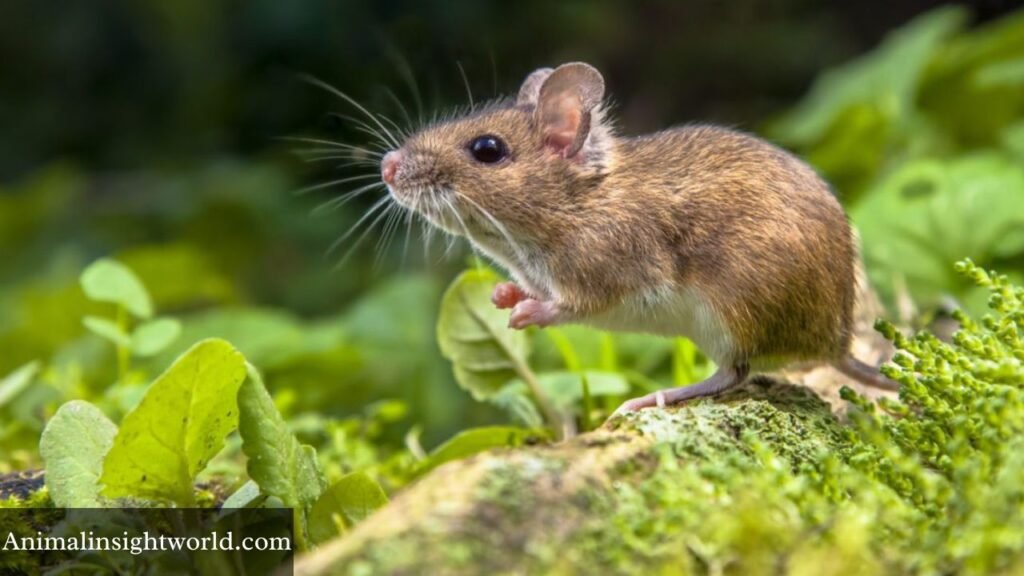
Interestingly, certain mushroom species may even influence mice behavior and health. For instance, some fungi contain compounds that can boost their immune systems or enhance cognitive function. This mutually beneficial relationship suggests that mushrooms are more than just a snack; they play a crucial role in shaping the overall well-being of these agile foragers. As we understand more about their diets, we begin to appreciate the delicate balance in nature where even the smallest creatures, like mice, become key players in dispersing fungal spores, facilitating forest regeneration, and maintaining biodiversity.
Slugs
Scientific Name: Gastropoda
Class: Gastropoda
Diet: Herbivore
Slugs, often overshadowed by flashier gastropods, are key players in their ecosystems, particularly when it comes to consumption of mushrooms. These slimy foragers display a surprising palate for various fungi, from common garden varieties to wild, elusive species. For slugs, mushrooms offer not only sustenance but a source of hydration, enabling them to thrive in damp, shaded environments. Their ability to feast on these decomposers helps maintain a balance within ecosystems, recycling nutrients back into the soil.
Interestingly, slugs are not indiscriminate eaters; they often show preferences for specific types of mushrooms. Research suggests that they may even recognize certain fungi based on their chemical composition, which plays a crucial role in their survival. This specialized diet can impact mushroom populations, influencing which species thrive and which may dwindle, thereby affecting the broader ecosystem. The relationship between slugs and mushrooms unveils a complex interaction within natural food webs — where one creature’s feast underscores another’s fate, highlighting the intricate tapestry of life beneath our feet.
Deer
Scientific Name: Cervidae
Class: Mammalia
Diet: Herbivore
Deer are often perceived as grazers, munching on grasses and leaves, but their diet is surprisingly diverse, including mushrooms. These graceful creatures play a crucial role in the ecosystem by foraging for fungi, which contributes to the decomposition process and nutrient cycling in their habitats. Interestingly, not all mushrooms are created equal in the eyes of deer; they tend to favor particular species, seeking out those rich in moisture and nutrients, such as chanterelles and various polypores.
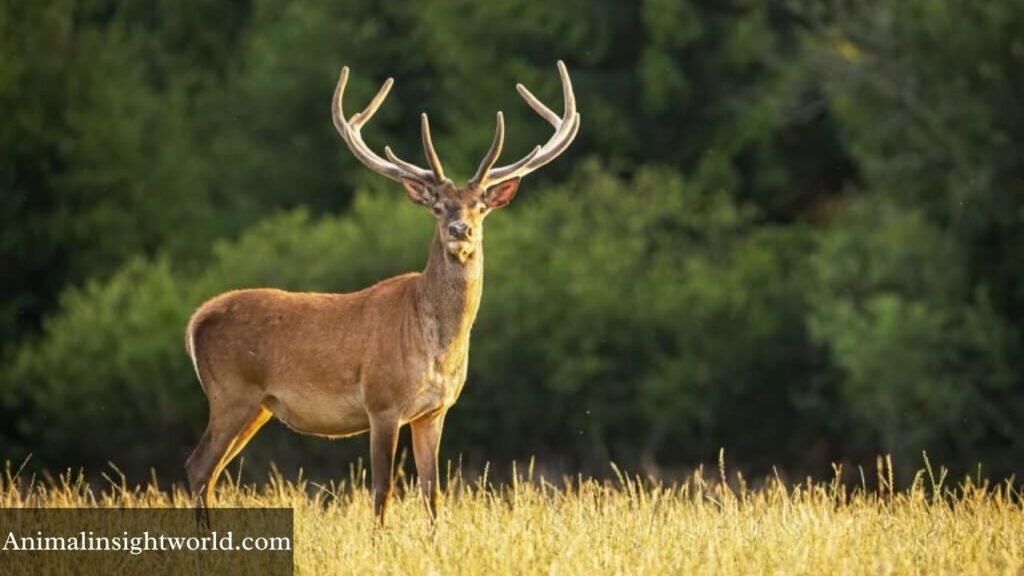
This mushroom appreciation extends beyond mere sustenance. The consumption of fungi has potential health benefits for deer, as certain varieties are thought to bolster their immune systems and may even help detoxify harmful substances. Observing deer interact with mushrooms offers a glimpse into a nuanced survival strategy, highlighting their adaptability in foraging. As they navigate through forests, these creatures unwittingly aid in spore dispersal, ensuring that mushroom populations thrive. This intricate relationship showcases nature’s balance, reminding us that each species plays its part in the intricate web of life.
Readmore: Explore Top 13 Animals That Eat Honey.
Primates
Class: Mammalia
Diet: Omnivore
Primates exhibit a fascinating array of dietary behaviors, and their relationship with mushrooms showcases their adaptability and foraging skills. Species like capuchin monkeys are known to include fungi in their diets, demonstrating not just opportunistic feeding behaviors but also a certain level of cognitive strategy. These monkeys have been observed to carefully select specific types of mushrooms, often opting for those that are freshly grown and in prime condition. This selective foraging highlights their ability to assess food quality, a trait that underscores the mental dexterity of primates.
Moreover, the consumption of mushrooms may offer primates more than just nutrition. Some studies suggest that the bioactive compounds in certain fungi might play a role in enhancing gut health or providing medicinal benefits, potentially giving these animals a competitive edge in their natural habitats. The ability to identify and consume various mushrooms could also reflect an inherited knowledge passed down through generations, indicating a cultural aspect to foraging behavior. As we continue to explore the dietary habits of primates, it’s clear that their mushroom consumption is a testament to their evolutionary agility in adapting to diverse ecosystems.
Reindeer
Scientific Name: Rangifer tarandus
Class: Mammalia
Diet: Herbivore
Reindeer have a fascinating and unique relationship with mushrooms, particularly the highly sought-after fly agaric (Amanita muscaria). These iconic red-capped fungi with white spots are not just strikingly beautiful but also play a vital role in the reindeer’s nutrition. In the wild, the harsh Arctic environment limits food sources, making mushrooms a crucial addition to their diet. Surprisingly, these fungi can help reindeer meet their protein needs during the snow-covered months when other vegetation is scarce.
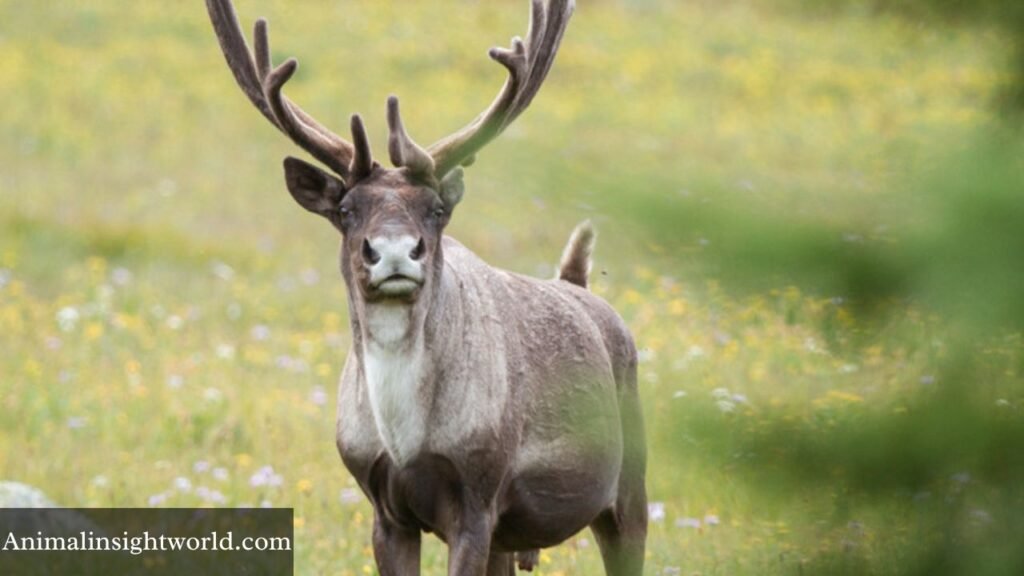
Moreover, the effects of these mushrooms on reindeer are intriguing. While fly agarics contain psychoactive compounds, they appear to have a different impact on reindeer than on humans. The animals seem to consume them without any ill effects, potentially utilizing the psychoactive properties to cope with the extreme conditions of their environment. This relationship raises questions about how reindeer and other animals adapt to nutrient scarcity, further illustrating the complex interplay between wildlife and their habitats. As we delve deeper into the ecological roles of mushrooms, reindeer exemplify just one of nature’s many marvelous adaptations.
You can also read: Explore Top 15 Animals That Eat Ticks.
Wild Boars
Scientific Name: Sus scrofa
Class: Mammalia
Diet: Omnivore
Wild boars are remarkable foragers, and their diet is as diverse as their habitats. These intrepid omnivores not only scavenge for plants and small animals, but they also have a penchant for mushrooms. This surprising mushroom-eating behavior is more than just a seasonal whim; it plays a crucial role in their nutrition and ecosystem dynamics. Certain fungi, like truffles, are not just delicacies for other wildlife but also vital sources of energy and nutrients, particularly during the leaner months.
Moreover, wild boars play an essential role in the dispersal of fungal spores. When they root around in the earth, they inadvertently bury spores in new locations, helping to cultivate mushroom populations in various environments. This symbiotic relationship highlights a fascinating aspect of forest ecology, where the actions of a single species can significantly impact the life cycles of others. Observing wild boars rummaging through underbrush for their fungal treasures offers a window into the intricate web of life, showcasing how interconnected our ecosystems truly are.
Insects
Scientific Name: Insecta
Class: Insecta
Diet: Omnivore
In the intricate tapestry of nature, insects play a surprisingly pivotal role in mushroom consumption and dispersal. Certain species, like ants and beetles, have developed fascinating symbiotic relationships with fungi. For instance, leafcutter ants meticulously harvest plant material, but they also cultivate specific fungi within their intricate underground gardens. By feeding these fungi organic matter, they not only enjoy the resulting mushrooms but help maintain and promote fungal growth — essentially farming microorganisms that contribute to forest ecosystems.
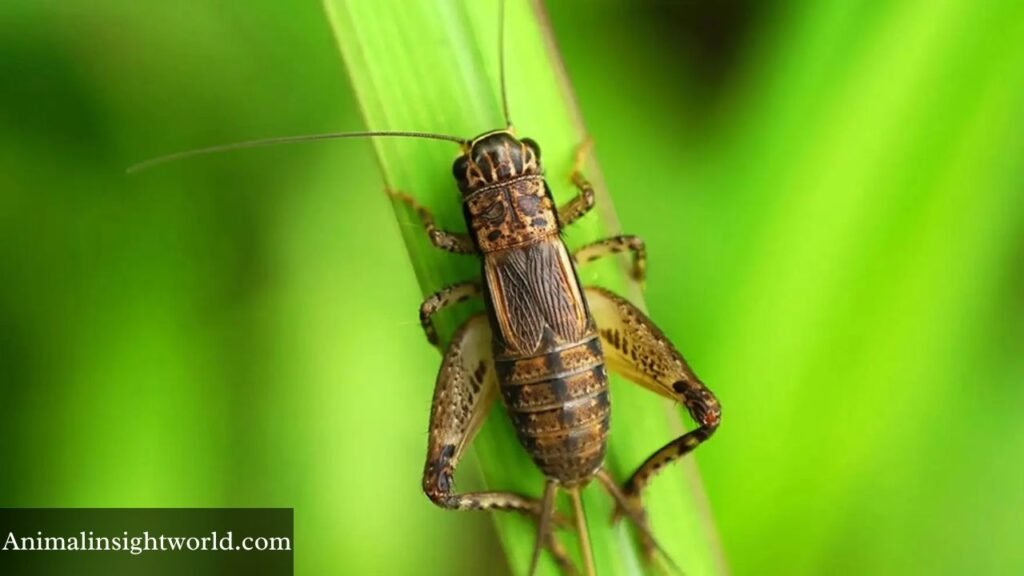
Beyond cultivation, many insects indulge in mushrooms directly as a food source. Caterpillars of various moth species feast on decomposing fungi, converting them into energy to fuel their metamorphosis. This relationship not only aids their growth but allows the insects to influence mushroom populations. Moreover, by warranting coexistence, these mutualistic interactions help stabilize local ecosystems, making them a cornerstone of biodiversity. The interplay between insects and mushrooms highlights a complex network of dependency, showcasing how even the smallest creatures can have a substantial impact on environmental health.
Also read: Explore Top 17 Animals That Eat Grasshoppers.
Box Turtles
Scientific Name: Terrapene
Class: Reptilia
Diet: Omnivore
Box turtles are fascinating foragers, often engaging in a peculiar gastronomic adventure that includes mushrooms as a staple in their diet. These unique reptiles possess a remarkable ability to distinguish between edible and potentially toxic fungi, showcasing an instinctive wisdom that has evolved over millions of years. Observational studies reveal that box turtles not only consume a variety of mushroom species but may also be drawn to their rich, earthy aromas — an olfactory cue that guides their selection process in the wild.
Interestingly, mushrooms can serve as a crucial nutritional source for box turtles, offering vitamins and minerals that contribute to their overall health. However, the relationship is not one-sided; the consumption of mushrooms may also have broader ecological implications. By feeding on these fungi, box turtles participate in the dispersal of spores, potentially aiding in the proliferation of certain mushroom species in their habitats. This symbiotic interaction highlights the interconnectivity of ecosystems, where even an unassuming turtle plays a vital role in the lifecycle of fungi. Such insights remind us of the intricate balance within nature, where each creature, no matter how small, contributes to the grand tapestry of life.
Armadillos
Scientific Name: Dasypodidae
Class: Mammalia
Diet: Omnivore
Armadillos, often seen as quirky creatures with their armored shells, have a surprisingly diverse diet that includes mushrooms. This behavior not only showcases their adaptability but also highlights the ecological role they play in their habitats. While they primarily feast on insects, grubs, and plant matter, their occasional foraging for mushrooms reveals a unique facet of their foraging strategy, helping them utilize available resources in varied environments.
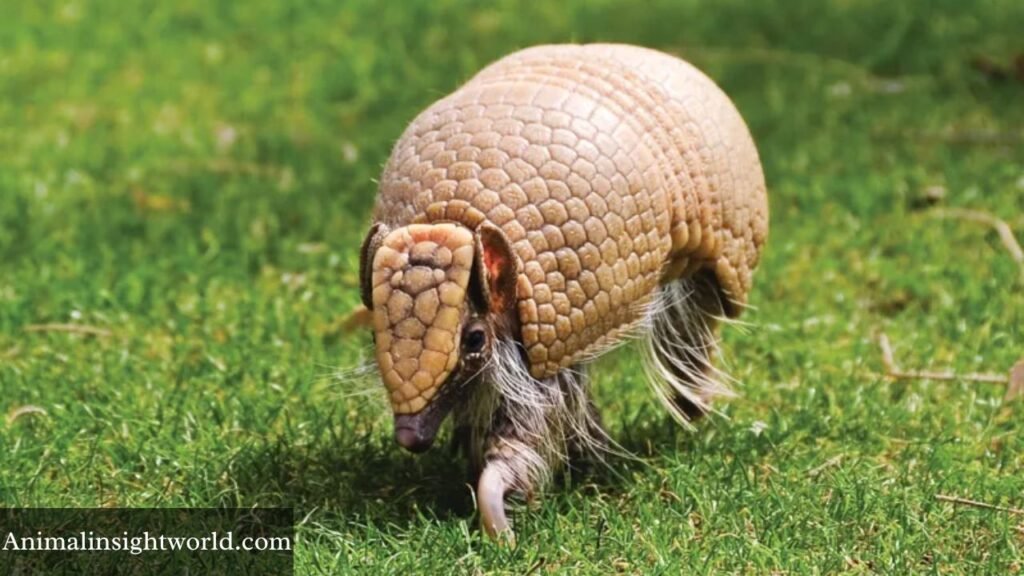
Interestingly, the consumption of mushrooms may also aid in nutrient absorption for these critters. Fungi are rich in vitamins and minerals, which can enhance the overall health of armadillos, particularly in times when their typical food sources are scarce. Their mycophagous foraging habits demonstrate a critical interconnection within ecosystems, as armadillos help disperse fungal spores through their travels, promoting fungal propagation and contributing to the balance of soil health. Observing these little-known habits not only enriches our understanding of armadillos but also emphasizes the importance of mushrooms within the food web.
Readmore: Explore Top 21 Animals With Flippers.
Bears
Scientific Name: Ursidae
Class: Mammalia
Diet: Omnivore
Bears are curious foragers, and their diets can be surprisingly diverse, including the mysterious kingdom of fungi. While many might envision these formidable creatures rummaging through berry bushes or tearing apart carcasses, mushrooms play a vital role in their nutritional intake, particularly in the fall. Surrounded by dense forests, bears instinctively seek out these fungal delicacies, which offer essential nutrients and hydration during their pre-hibernation phase.
Interestingly, bears demonstrate a remarkable ability to differentiate between edible and toxic mushrooms, much like seasoned foragers. This instinct not only showcases their intelligence but also their adaptability to changing environments. Studies have shown that certain species of mushrooms contribute to bears’ fat reserves, enabling them to survive harsh winters. As these fascinating creatures roam through their habitats, they form a symbiotic relationship with the ecosystem, dispersing mushroom spores in their wake — essentially nurturing the forest for future generations. Who knew that the majestic bears, alongside being apex predators, also function as crucial allies in the world of fungi?
Game Birds
Scientific Name: Galliformes
Class: Aves
Diet: Omnivore
Game birds exhibit a fascinating affinity for mushrooms, blending their dietary habits with nature’s underrated fungus. Species such as grouse and pheasants actively seek out mushrooms, which not only augment their diet but also play a crucial role in their habitat’s ecology. These birds are particularly drawn to the rich flavors and nutritional benefits of specific fungi, which offer proteins, vitamins, and minerals essential for their growth and stamina.
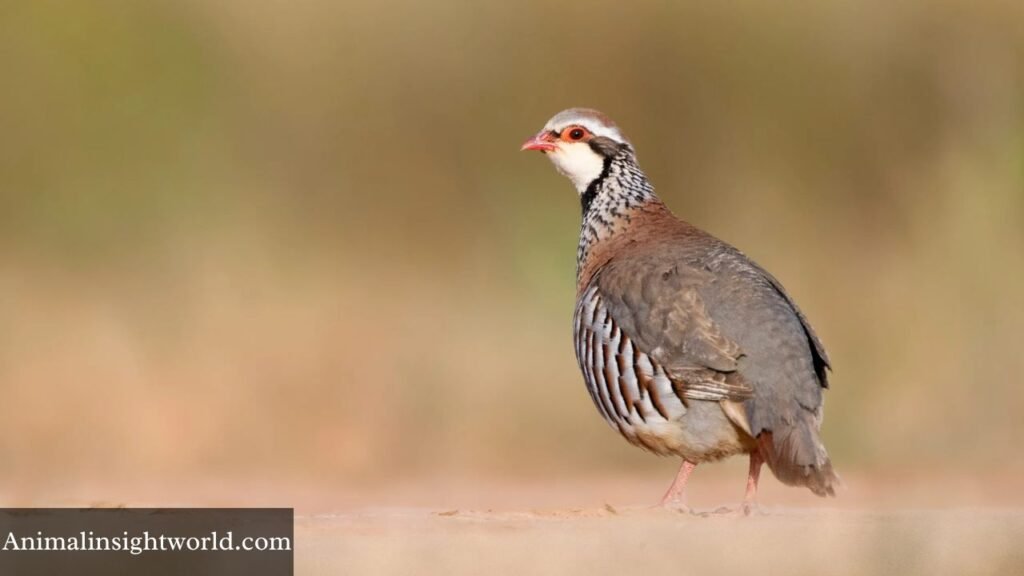
Moreover, the relationship between game birds and mushrooms extends beyond mere consumption. In the wild, as these birds forage for mushrooms, they inadvertently contribute to spore dispersal, promoting the life cycle of fungi. This symbiotic connection exemplifies the intricate balances within ecosystems, where game birds help to foster mushroom populations while reaping the benefits of this unique food source. Observing these behaviors in their natural habitats offers a rich perspective on the interconnectedness of wildlife and plant life, encouraging a greater appreciation for the often-overlooked roles various species play in maintaining ecological harmony.
You can also read: Explore Top 30 Most Greedy Animals.
Pigs
Scientific Name: Sus scrofa domesticus
Class: Mammalia
Diet: Omnivore
Pigs are fascinating creatures not just for their intelligence but also for their eclectic diets, which surprisingly include mushrooms. These omnivores possess a unique ability to forage in forests and fields, utilizing their acute sense of smell to locate edible fungi. Notably, they are drawn to truffles, a type of subterranean mushroom that emits strong aromatic compounds. In fact, wild boars have been used in truffle hunting for centuries due to their knack for sniffing out these prized delicacies.
But the relationship between pigs and mushrooms goes beyond mere foraging; it’s a symbiotic dance rooted in nature. While pigs enjoy the nutritional benefits of mushrooms, the fungi are also pivotal in spreading spores as pigs wander through the woods. This unintentional partnership supports ecosystem diversity, ensuring that various mushroom species flourish in their habitats. As we delve into the complex tapestry of nature, it becomes evident that pigs play a more significant role than just being adorable and tasty — they are key players in the health of their ecosystems.
Squirrels
Scientific Name: Sciuridae
Class: Mammalia
Diet: Omnivore
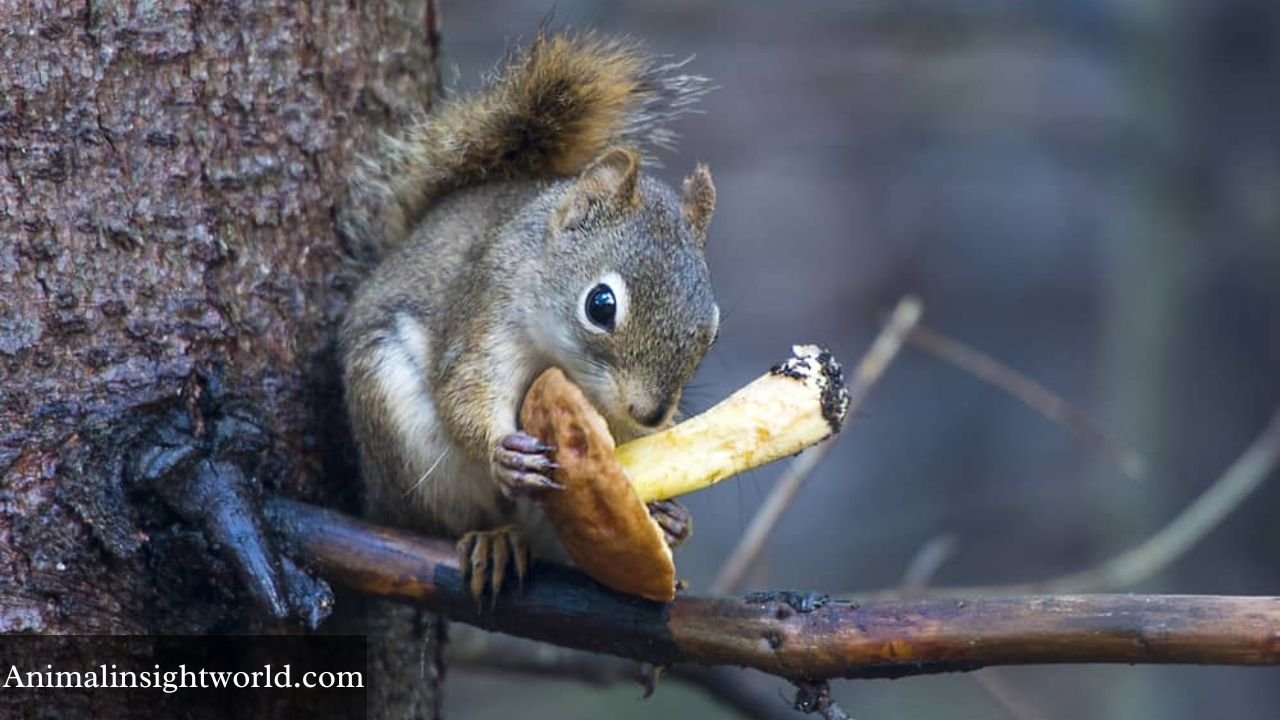
Squirrels, often seen darting between trees, have a surprisingly complex relationship with mushrooms. While most associate these nimble creatures primarily with acorns and nuts, their diet can be quite diverse, including a variety of fungi. Interestingly, squirrels exhibit a keen instinct for certain mushroom species, often selecting those rich in nutrients that can bolster their energetic lifestyle. This not only adds a unique flavor to their diet but also aids in the dispersal of mushroom spores, creating a beneficial cycle within forest ecosystems.
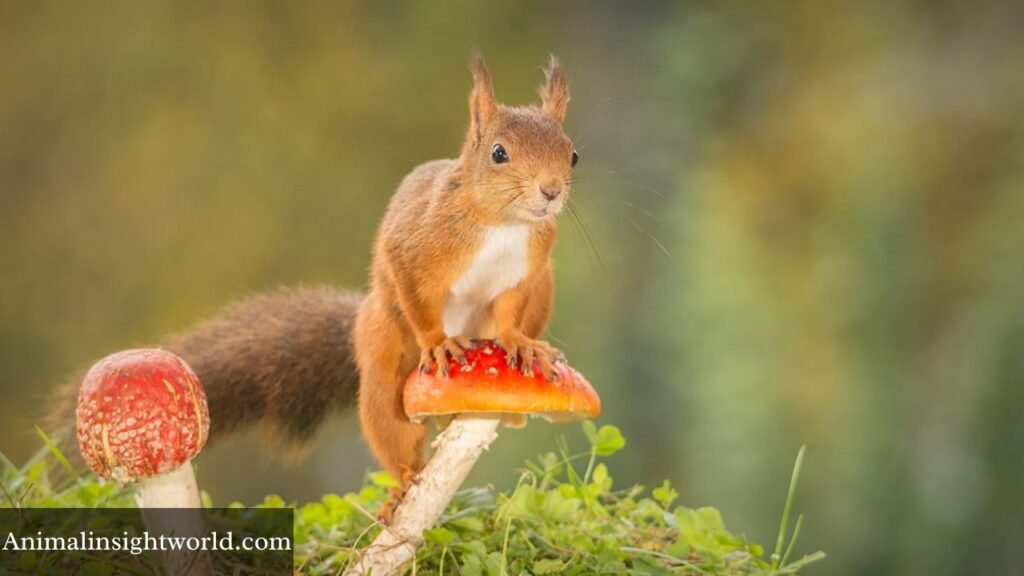
Moreover, recent studies suggest that squirrels may instinctively avoid toxic mushrooms, showcasing a remarkable level of dietary discernment. This ability to differentiate edibility plays a crucial role in their survival, allowing them to thrive in varied environments. Observing this behavior sheds light on the intricate connections between flora and fauna, revealing that even the smallest creatures contribute to the health of their habitats. As more researchers delve into these interactions, we uncover a rich tapestry of ecological relationships that remind us of nature’s complexity and ingenuity.
Readmore: Explore Top 20 Animals That Eat Berries.
Final Thoughts
The diverse array of animals that eat mushrooms highlights the integral role fungi play in various ecosystems. From large mammals like deer to smaller creatures like insects, each has adapted uniquely to incorporate these nutritious fungi into their diets. Understanding these relationships not only sheds light on the food web but also emphasizes the importance of preserving natural habitats where these interactions occur. As we continue to study the fascinating connections between animals and mushrooms, we can better appreciate the complexity of our natural world. Let’s commit to protecting these ecosystems for future generations.
FAQs
Which animals like to eat mushrooms?
Many animals are known to enjoy mushrooms as part of their diet. For instance, various species of rodents, such as squirrels and voles, often forage for mushrooms in forests and grasslands. These small mammals play a crucial role in the ecosystem by dispersing fungal spores as they consume mushrooms and then move on to different areas. Some larger animals like deer and pigs also eat mushrooms. Wild boars, in particular, are notorious for rooting around in the ground to find truffles and other fungi. Birds, such as jays and woodpeckers, may also feed on mushrooms, helping to spread the spores further through their droppings. Overall, mushrooms serve as an important food source for a variety of species, contributing to the biodiversity of their habitats.
Why animals love to eat mushrooms?
Animals are often drawn to mushrooms because they offer a rich source of nutrients, including vitamins, minerals, and protein. Many species have evolved to recognize these fungi as a food source, especially in environments where other options might be scarce. For instance, deer, squirrels, and various insects frequently munch on mushrooms, taking advantage of their availability.
Do bears eat mushrooms?
Yes, bears do eat mushrooms! They are omnivorous animals, meaning their diet includes a wide range of foods. In the wild, mushrooms can be a nutritious snack for bears, especially in the right season when other food sources are scarce. Bears tend to forage for various types of fungi, including edible mushrooms. These can provide essential nutrients and energy, which is particularly important as they prepare for winter hibernation.
Do squirrels eat mushrooms?
Yes, squirrels do eat mushrooms! They are opportunistic feeders, which means they’ll munch on whatever is available, including fungi. While not a primary food source for them, mushrooms can be a tasty treat, especially in the wild when other food options are scarce.
Can goats eat mushrooms?
Yes, goats can eat some types of mushrooms, but caution is key. While many mushrooms are safe and non-toxic for goats, others can be harmful or even deadly. If you’re considering feeding mushrooms to your goats, it’s essential to know which varieties are safe.