Top 8 Birds That Look Like Crows (With Images)
Did you know that not all black-feathered birds you encounter are crows? In fact, there are several fascinating species that mimic the sleek appearance of crows while boasting unique behaviors and traits. This article delves into the world of birds that look like crows, offering insights into their habitats, diets, and social structures. By the end, you’ll not only be able to recognize these avian lookalikes but also appreciate the diversity lurking in your local parks and backyards.
List of Birds That Look Like Crows
Below is the list of birds that are like crows:
| Number of Birds | Names of Birds That Look Like Crows |
| 1 | Great-tailed Grackle |
| 2 | Brewer’s Blackbird |
| 3 | Rook |
| 4 | Jackdaw |
| 5 | Black Drongo |
| 6 | European Starling |
| 7 | Raven |
| 8 | Common grackle |
Great-tailed Grackle
Scientific Name: Quiscalus mexicanus
The Great-tailed Grackle, often overshadowed by its more notorious relatives, presents a striking silhouette that can easily be mistaken for a crow from afar. However, a closer inspection reveals a stunning array of iridescent plumage, ranging from glossy black to deep purples and greens, catching the light in a way that transforms their appearance. This bird’s long, elongated tail and robust body not only add to its visual intrigue but also hint at its fascinating adaptability, thriving in varied habitats across the southern United States and into Central America.
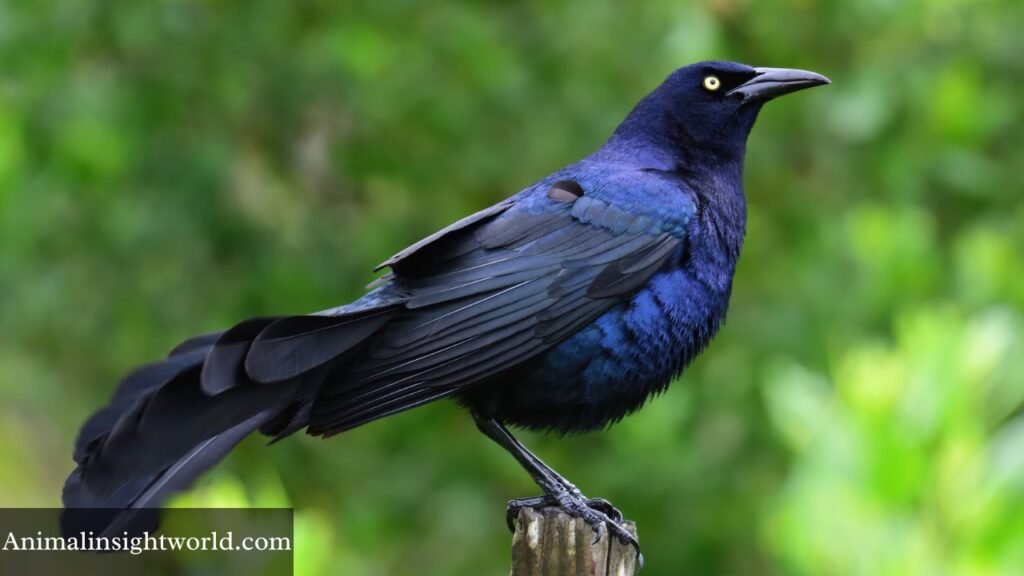
What truly sets the Great-tailed Grackle apart is its complex social behavior. Known for their boldness and intelligence, these birds often gather in large, raucous flocks, displaying a dynamic range of vocalizations that contribute to their lively presence. Their ability to manipulate environments is impressive; they’re often seen foraging in urban settings, where they navigate human interactions with surprising ease. Their social structures are quite sophisticated, with distinct roles within flocks that reveal an intricate hierarchy, adding layers to their already captivating existence. This combination of beauty, adaptability, and social complexity makes the Great-tailed Grackle a fascinating subject for bird watchers and casual observers alike.
Brewer’s Blackbird
Scientific Name: Euphagus cyanocephalus
Brewer’s Blackbird often gets lost in the shuffle of avian identities, particularly when sharing its environment with its more infamous cousin, the crow. This sleek, iridescent bird boasts a striking eye-catching sheen, transitioning from deep black to hints of purple when kissed by the sun. Unlike the crow, Brewer’s Blackbird presents a more slender physique, making it appear less formidable despite its bold presence in open fields and urban areas alike.
One fascinating aspect of the Brewer’s Blackbird is its social behavior. They are often seen foraging in large, noisy groups, evoking an aura of camaraderie and cooperation that enriches their habitat. While crows are notorious for their intelligence and problem-solving skills, Brewer’s Blackbirds have their own charm through their intricate mating rituals. Males will perform aerial displays, soaring high before diving, a captivating reminder of Nature’s artistry in courtship, showcasing their vibrant plumage and acrobatic prowess. Each observation of these blackbirds offers the chance to appreciate the subtler, yet equally captivating, dimensions of avian life.
Rook
Scientific Name: Corvus frugilegus
The rook, often mistaken for its crow cousins, presents a fascinating study in avian versatility. With its distinctive shaggy throat feathers and a slightly curved bill, the rook stands out among blackbirds. While both rooks and crows share a similar jet-black plumage, it’s their social behavior that truly sets them apart. Rooks are more gregarious, often found in large colonies, especially during breeding season, where their loud cawing creates a raucous symphony of communication.
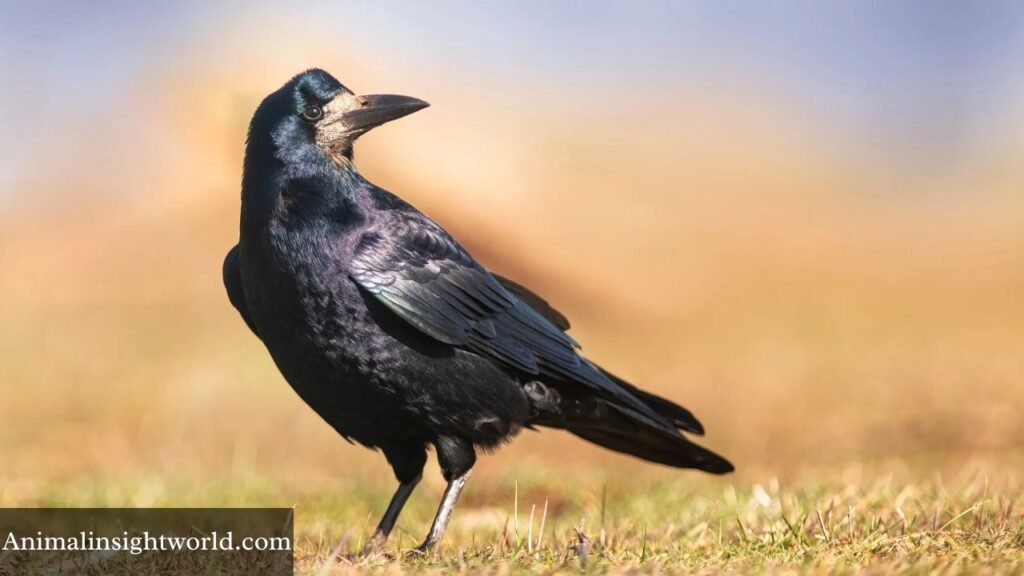
Understanding the rook’s place in folklore also adds another layer of intrigue. Many cultures portray these birds as symbols of intelligence and adaptability, echoing their penchant for problem-solving. They exhibit remarkable foraging skills, often using tools — such as twigs — to extract insects from crevices, showcasing their cognitive prowess. Observers might find delight in watching rooks engage in playful antics, whether it’s soaring through the air or sharing food, reminding us that these creatures are not just shadowy figures lurking about but vibrant players in the ecosystem.
Jackdaw
Scientific Name: Corvus monedula
The jackdaw, often overshadowed by its more enigmatic relatives, is a marvel in its own right, easily identified by its striking black plumage and hint of silvery sheen on its nape. Standing at just about 34 to 39 cm, these clever birds showcase an intelligence that rivals some of the most cunning species in the animal kingdom. Their social nature is fascinating; often found in lively groups, jackdaws engage in complex communication and problem-solving behaviors that showcase their notable adaptability.
Beyond their striking appearance, jackdaws exhibit a remarkable ability to thrive alongside humans. They have an impressive repertoire of vocalizations, which they use smartly to interact with their surroundings and fellow birds. Observing a jackdaw cleverly maneuvering to steal shiny objects or playing with various materials highlights its resourcefulness. Their presence in urban landscapes brings a touch of wildness to our daily lives, inviting us to appreciate the intricate dance between nature and urbanity. Thus, the jackdaw, often dismissed as just another crow-like bird, emerges as a fascinating subject that deserves a closer look in the avian world.
Black Drongo
Scientific Name: Dicrurus macrocercus
The Black Drongo, often mistaken for a crow due to its sleek, glossy plumage, brings an intriguing twist to the avian world. While crows exhibit a more robust silhouette, the Black Drongo boasts a slender body and a unique forked tail that adds a touch of elegance to its flight. This bird is not just a striking visual doppelgänger; it plays a vital ecological role as an adept hunter, effortlessly snatching insects mid-air. Observing its swift maneuvers offers a lesson in agility rarely seen in the more grounded behavior of typical crows.
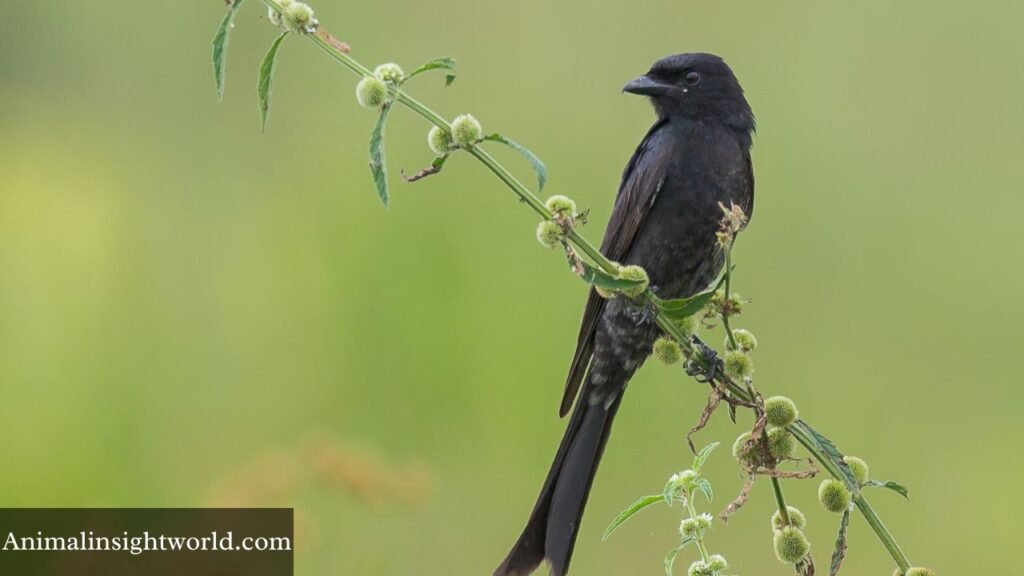
Beyond mere appearance, the Black Drongo’s vocal repertoire is a captivating aspect that sets it apart. Known for its ability to mimic the sounds of other birds, it can deceive both prey and potential threats alike, adding a layer of complexity to its survival strategies. Its fearless nature often leads it to chase away larger birds, showcasing a bravado that belies its size. In the grand tapestry of birdlife, the Black Drongo serves as a reminder that beauty and utility often intertwine, creating a rich narrative of adaptation and resilience in the wild.
European Starling
Scientific Name: Sturnus vulgaris
Often mistaken for crows due to their similar size and dark plumage, the European Starling is a stunning avian marvel in its own right. While both share an affinity for unassuming urban environments, the starling stands out with its iridescent feathers that shimmer with hues of green, purple, and blue, especially in direct sunlight. This color change is not just for show; it plays a role in attracting mates during the breeding season, highlighting the interplay between aesthetics and survival.
Beyond their appearance, European Starlings possess remarkable social behaviors that differentiate them from their crow cousins. Known for their fluid and acrobatic flight patterns, these birds engage in mesmerizing murmuration displays, swirling and weaving through the sky in large flocks. This dynamic movement serves not only as a defense mechanism against predators but also as a collaborative effort to locate food, showcasing an advanced level of teamwork in the avian world. As they forage in gardens and parks, their vocal versatility — a cacophony of whistles and mimicry — adds a lively soundtrack to our everyday lives, reinforcing the notion that there’s much more to these birds than meets the eye.
Raven
Scientific Name: Corvus corax
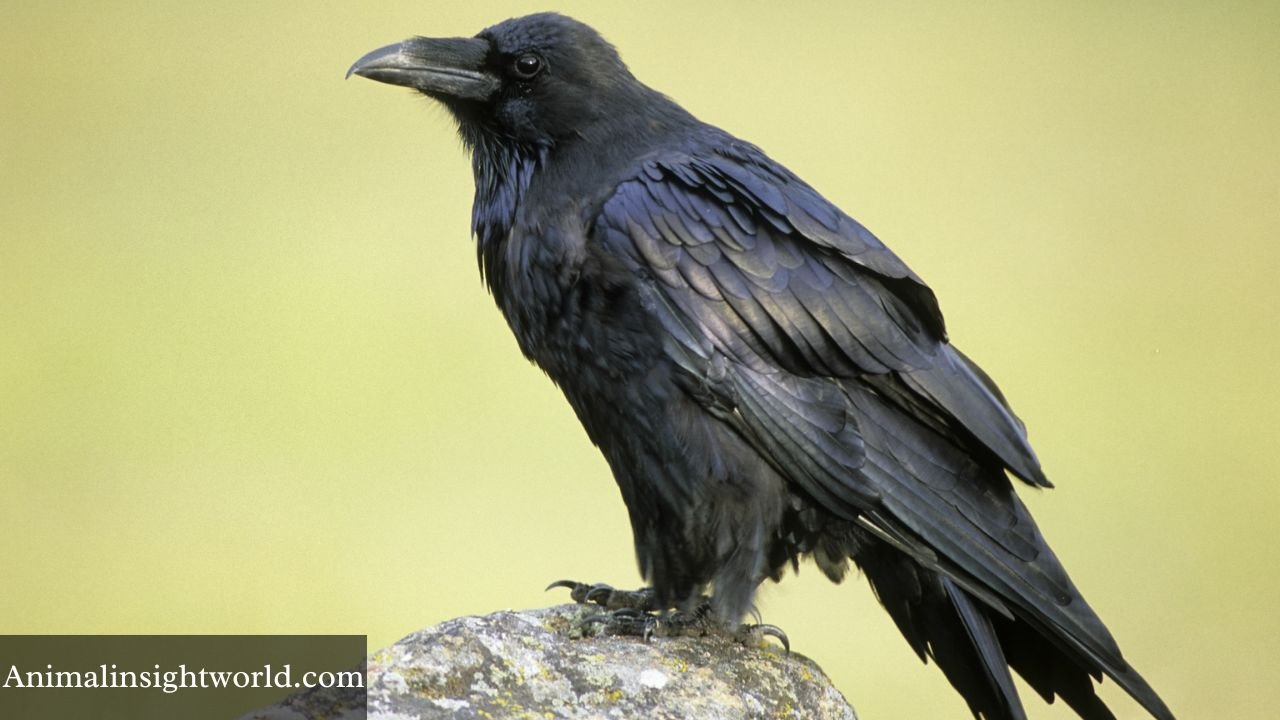
Ravens, often mistaken for their less illustrious cousins, the common crows, possess a distinctive charm that sets them apart. Their striking black plumage shimmers with bluish undertones under the sun, creating a captivating spectacle that invites closer observation. Unlike crows, ravens boast a larger, more robust body, with a wedge-shaped tail that differentiates them in flight. This exaggerated tail shape, paired with their impressive wingspan, allows them to soar gracefully, showcasing their agility above the treetops.
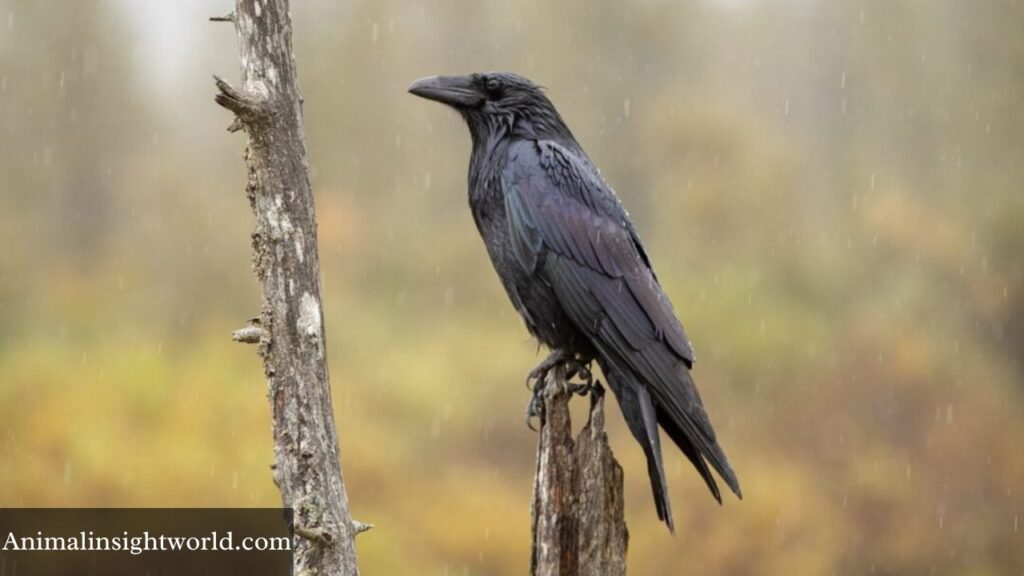
Intelligent and curious, ravens exhibit a remarkable problem-solving ability that sometimes rivals that of primates. They have been observed using tools, engaging in play, and even forming complex social structures. Their vocal repertoire is equally impressive, demonstrating nuances in communication that hint at a deeper social intelligence. This rich tapestry of behavior enriches our understanding of avian life and challenges the notion that all birds appearing similar behave uniformly. Observing a raven in its habitat invites us to appreciate not only its beauty but also its captivating intellect and social complexity, making it a truly remarkable bird in the avian world.
Common grackle
Scientific Name: Quiscalus quiscula
The common grackle, with its glossy black plumage and striking yellow eyes, often finds itself mistaken for the much-maligned crow. Yet, while both birds share a similar silhouette and a penchant for scavenging, the grackle brings a unique flair to the avian landscape. With a long, wedge-shaped tail that dances elegantly in the breeze and iridescent feathers that shimmer in the sunlight, it stands as a symbol of adaptability in diverse habitats — from urban parks to rural farmlands.
What sets the common grackle apart is its complex social behavior. These birds are often seen in large flocks, employing strategic communication and coordinated movement to forage effectively. Their varied calls and whistles paint an acoustic tapestry that tells stories of their vibrant social lives. This gregarious nature makes them both captivating to observe and valuable to ecosystems, as they help control pests and disperse seeds, all while challenging our perceptions of the often maligned “black bird.” Their presence reminds us that beauty and complexity are often hidden beneath surfaces we may overlook.
Readmore: Explore Top 15 Animals That Look Like Deer.
Final words
The world of birds that resemble crows is filled with intriguing species that captivate bird enthusiasts and nature lovers alike. Ravens, jackdaws, and other look-alikes all possess distinct features and behaviors that set them apart, inviting us to delve deeper into their lives. By recognizing these similarities and differences, we can cultivate a greater respect for the avian world and the vital roles these creatures play in our environment. The more we learn about these birds, the more we can appreciate the complexity of their ecosystems.
FAQs
What birds look like crows?
Several birds resemble crows, but a few stand out. The raven is probably the most notable. Ravens are larger than crows, with a thicker beak and a distinctive wedge-shaped tail. They often have a more robust, shaggy throat and are known for their intelligent behaviors. Another contender is the rook. Rooks have a similar body shape but are distinguished by their bare patch of skin on the face and a more pronounced, pointed bill.
What is a bird that looks like a crow but bigger?
A bird that looks like a crow but is larger is the raven. Ravens are often mistaken for crows due to their similar appearance, but they have a bigger wingspan and a shaggy throat. They also feature a fan-shaped tail, which sets them apart during flight.