Top 30 Most Greedy Animals (With Pictures)
Did you know that some animals are so greedy they can consume more than their body weight in a single meal? In the wild, survival often hinges on the ability to gather and hoard resources, leading to the emergence of the most greedy animals on the planet. This article delves into the fascinating behaviors of these creatures, exploring how their insatiable appetites influence ecosystems and their own survival. By the end, you’ll gain a deeper understanding of animal behavior and the role greed plays in the animal kingdom.
List of Most Greedy Animals
Here is the list of most greediest animals in the world:
| Number of Animal | Names of Most Greedy Animals |
| 1 | Raccoons |
| 2 | Squirrels |
| 3 | Pigeons |
| 4 | Hyenas |
| 5 | Wild Boar |
| 6 | Goat |
| 7 | Hamsters |
| 8 | Pigs |
| 9 | Gorillas |
| 10 | Honey Badgers |
| 11 | Vulture |
| 12 | Tiger Sharks |
| 13 | Ant |
| 14 | Octopus |
| 15 | Tasmanian Devils |
| 16 | Seagulls |
| 17 | Chimpanzees |
| 18 | Foxes |
| 19 | Crocodile |
| 20 | American Pygmy Shrews |
| 21 | Rat |
| 22 | Lion |
| 23 | Brown Bears |
| 24 | Baboon |
| 25 | Puffins |
| 26 | Weasel |
| 27 | Pufferfish |
| 28 | Wolverine |
| 29 | Burmese Python |
| 30 | Coyote |
Raccoons
Scientific Name: Procyon lotor
Class: Mammalia
Diet: Omnivore
Raccoons are often dubbed the bandits of the animal kingdom, and for good reason; their clever and dexterous paws give them an unparalleled edge in scavenging. These nocturnal creatures are notorious for their ability to open garbage cans, pick locks, and navigate complex environments to find food. Each raccoon possesses a unique set of skills, enabling them to adapt quickly to urban settings, turning them into savvy foragers that thrive on human leftovers. This adaptability not only showcases their intelligence but also reflects their keen survival instincts in an ever-changing world.
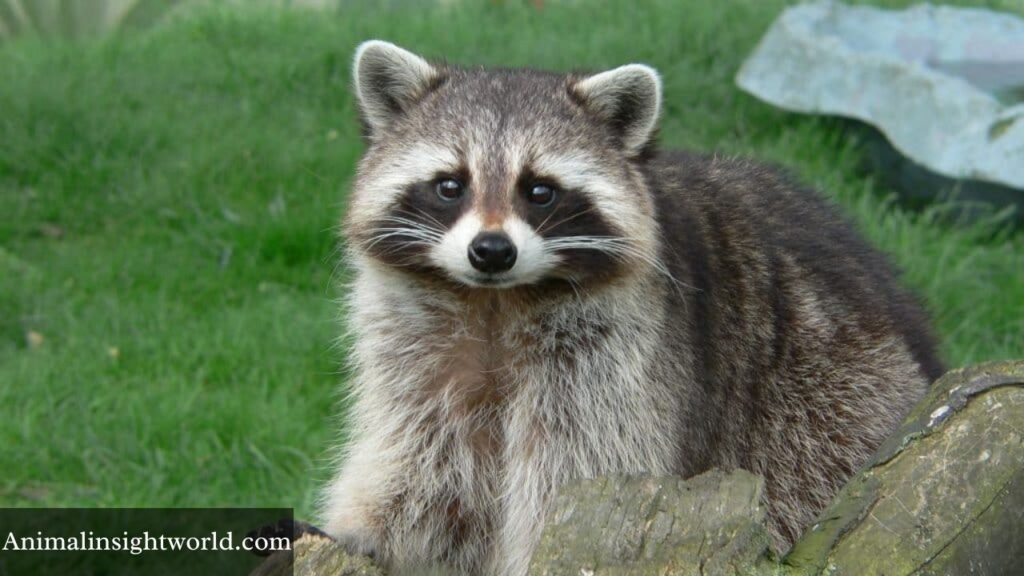
Beyond their playful antics, raccoons exhibit a fascinating level of social adaptability. They often work in groups, using a combination of vocalizations and body language to share information about food sources. Interestingly, studies suggest that raccoons have a remarkable memory, capable of recalling the locations of foraging sites long after their last visit. This means that their scavenging isn’t just about greed; it’s a calculated endeavor to optimize their feeding opportunities, underscoring their keen intelligence and social structures. In a sense, raccoons reflect a thriving coexistence with humans, transforming our discards into a feast while challenging our perceptions of wildlife adaptability.
Squirrels
Scientific Name: Sciuridae
Class: Mammalia
Diet: Omnivore
Squirrels, often seen darting through parks and backyards, are nature’s acrobatic hoarders. With their sharp little claws and agility, they traverse treetops, gathering and stashing nuts with frenetic energy. This behavior isn’t just instinctive; it’s a survival strategy rooted in their complex relationship with their environment.
Squirrels can forget where they’ve buried up to 25% of their nuts, inadvertently becoming tree planters and enhancing the ecosystem. This accidental generosity fosters forest regeneration! Their seemingly greedy nature is, in reality, a clever adaptation to ensure food availability through harsh winter months. As they frolic and forage, these critters not only reflect the urgency of survival but also the intricate balance of nature’s design.
Pigeons
Scientific Name: Columba livia
Class: Aves
Diet: Herbivore
Pigeons, often overlooked as mere urban nuisances, reveal a surprising depth of intelligence and adaptability that speaks to their greedy nature. These birds possess an uncanny ability to locate food sources, even in the most chaotic of city environments. Their keen observational skills allow them to exploit human habits, making them expert scavengers. A simple breadcrumb can transform into a buffet for these feathered opportunists, showcasing their resourcefulness.
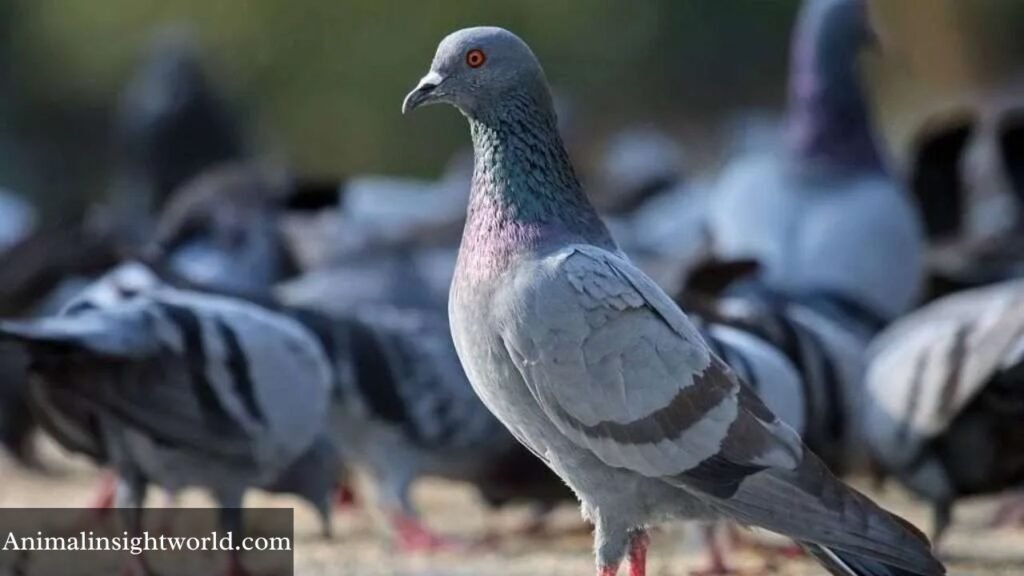
Beyond their foraging skills, pigeons exhibit social behaviors that underline their greed. They often flock together, not only for safety but to increase their chances of finding plentiful food. This communal approach highlights a layer of strategy in their greed, as they learn from one another and capitalize on successful foraging techniques. Studies have shown that pigeons can even recognize individual human faces, allowing them to identify potential food providers in a bustling urban landscape.
Readmore: Explore Top 20 Animals That Eat Berries.
Hyenas
Scientific Name: Crocuta crocuta
Class: Mammalia
Diet: Carnivore
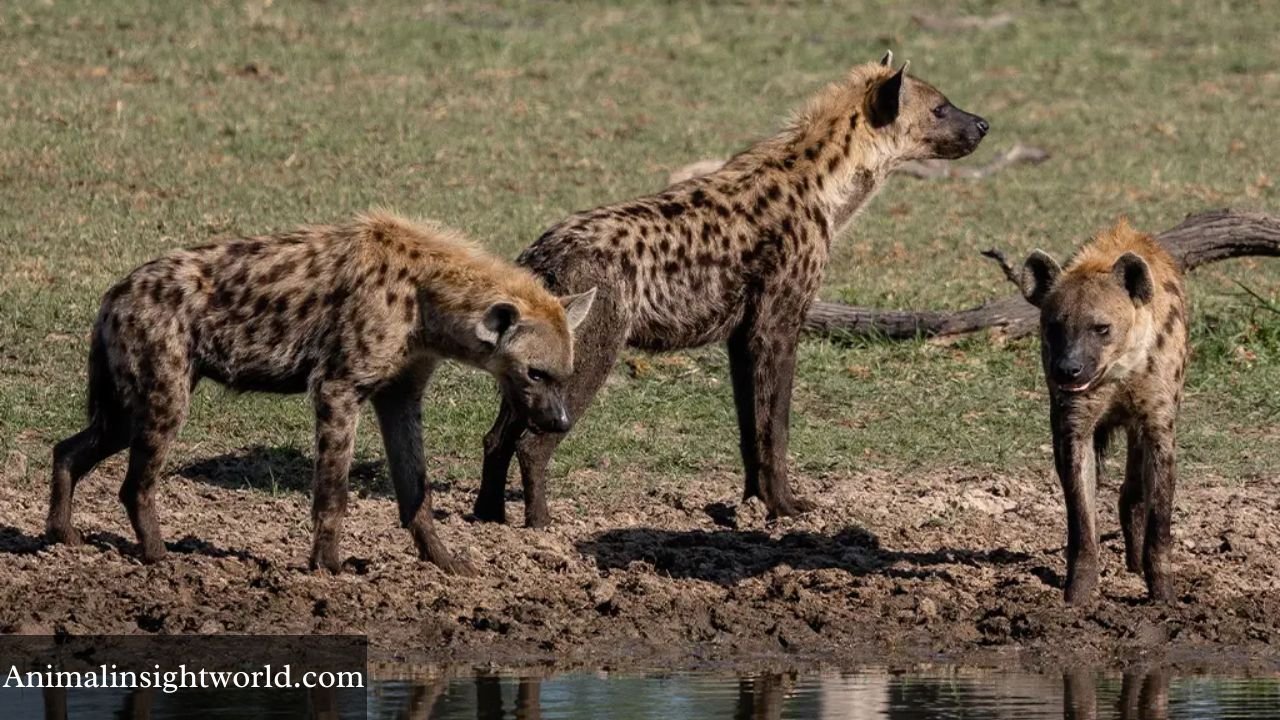
Hyenas often evoke images of relentless scavengers, but their complex social structures and feeding behaviors reveal a much richer narrative. While they are famously known for stealing kills from other predators, they also possess impressive hunting skills themselves. In fact, spotted hyenas can achieve a hunting success rate comparable to that of lions, demonstrating their adaptability and cunning. Their cooperative hunting strategies, often involving intricate vocal communication, showcase a level of intelligence and teamwork that is both fascinating and formidable.
Beyond their foraging prowess, hyenas play a pivotal role in maintaining the balance of their ecosystems. By consuming carrion and remnants of other animals, they help prevent the spread of disease, acting as nature’s cleanup crew. This ecological significance challenges the stereotypical view of hyenas as mere opportunists; rather, they emerge as key players in sustaining the health of the savanna.
Wild Boar
Scientific Name: Sus scrofa
Class: Mammalia
Diet: Omnivore
Wild boars are not just emblematic of untamed wilderness; they are fascinating examples of ecological opportunism. With a diet that spans roots, fruits, and even small animals, these porcine creatures embody the essence of a “greedy” animal. Their foraging habits allow them to adapt to almost any environment, but they also reveal a surprising intelligence. Wild boars utilize their keen sense of smell to unearth food hidden beneath layers of soil, showcasing both their resourcefulness and their ability to manipulate their surroundings.
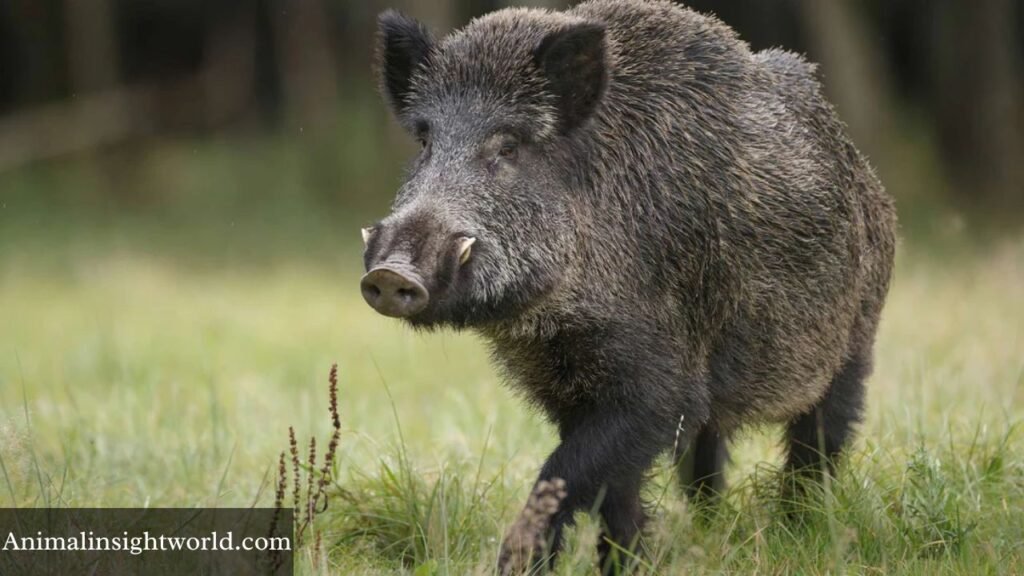
Wild boars also play a crucial role in their ecosystems by acting as seed dispersers. As they rummage through underbrush, they not only consume a variety of plant matter but also inadvertently plant seeds through their droppings. This behavior promotes biodiversity and enables the regeneration of forests, illustrating that even the seemingly greedy appetites of wild boars serve a greater ecological purpose.
Goat
Scientific Name: Capra aegagrus hircus
Class: Mammalia
Diet: Herbivore
Goats are often perceived as the epitome of gluttony in the animal kingdom, but their seemingly insatiable appetite serves a deeper purpose in their survival. These remarkable creatures are natural browsers, preferring to munch on a diverse range of plants, from shrubs to trees. This versatility allows them to thrive in various ecosystems, but it’s also a strategic adaptation to avoid competition with other grazers. By seeking out less accessible vegetation, goats contribute to the health of their environment by controlling plant overgrowth and promoting biodiversity.
Interestingly, goats can discern between different types of food, displaying preferences that hinge on taste and nutrition. Studies have shown that they can remember which plants are beneficial and which are toxic, indicating a remarkable level of cognitive function. This capability fosters a competitive spirit among them, where the most cunning and adaptive individuals gain access to the best food sources. In this light, their perceived greed transforms into a survival strategy, one that showcases their intelligence and adaptability in an ever-changing environment.
Also read: Explore Top 20 Annoying Animals in The World.
Hamsters
Scientific Name: Mesocricetus auratus
Class: Mammalia
Diet: Omnivore
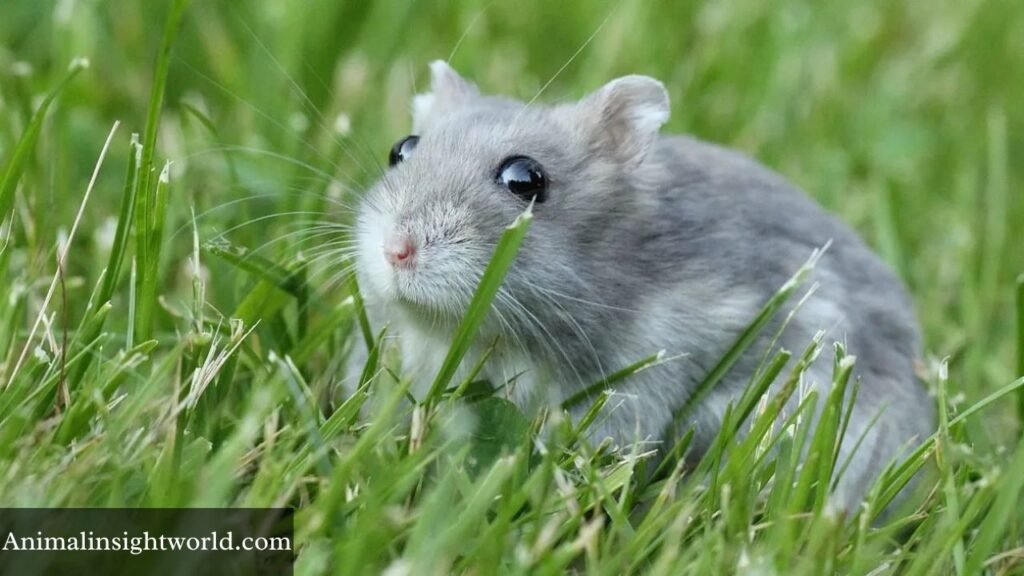
Hamsters are the quintessential hoarders of the animal kingdom, embodying a charming blend of greed and practicality. Their cheek pouches, often compared to magical storage units, can expand dramatically as they stuff them with food. This not-so-secret stash serves a dual purpose: not only does it ensure they’re ready for an unexpected nibble, but it also reflects their instincts as creatures of the wild, where survival often hinges on having a reliable food supply.
Pigs
Scientific Name: Sus scrofa domesticus
Class: Mammalia
Diet: Omnivore
Pigs, often caricatured as the quintessential greedy animal, possess a surprisingly sophisticated approach to food that raises them above mere stereotypes. These intelligent creatures aren’t just driven by an insatiable hunger; their foraging techniques reveal a deeper connection to their environment. In the wild, pigs utilize their keen sense of smell to uncover truffles and other hidden treats beneath the ground, showcasing their adaptability and resourcefulness. This innate ability not only highlights their cognitive skills but also plays a vital role in the ecosystem, assisting in seed dispersal and soil health.
Interestingly, the social dynamics of pig behavior add another layer to their “greed.” In group settings, pigs establish hierarchies that influence feeding behaviors, which can sometimes lead to commendable cooperation. Instead of purely competing for resources, they might share discoveries, indicating a communal approach to survival that contrasts with the greedy image often portrayed. This communal nurturing speaks volumes about their intelligence and social structures, challenging us to reconsider our understanding of greed in the animal kingdom.
Gorillas
Scientific Name: Gorilla gorilla
Class: Mammalia
Diet: Herbivore
In the lush canopies of tropical forests, gorillas exhibit a fascinating feeding behavior that showcases their impressive adaptability and intelligence. Although often perceived as gentle giants, their insatiable appetite for a variety of vegetation — ranging from tender leaves to ripe fruits — paints a different picture. These “greedy” feeders play a critical role in their ecosystem by munching their way through vast areas, inadvertently reshaping the forest’s structure and promoting biodiversity. The seeds they consume and later excrete contribute to forest regeneration, making them unknowing caretakers of their environment.
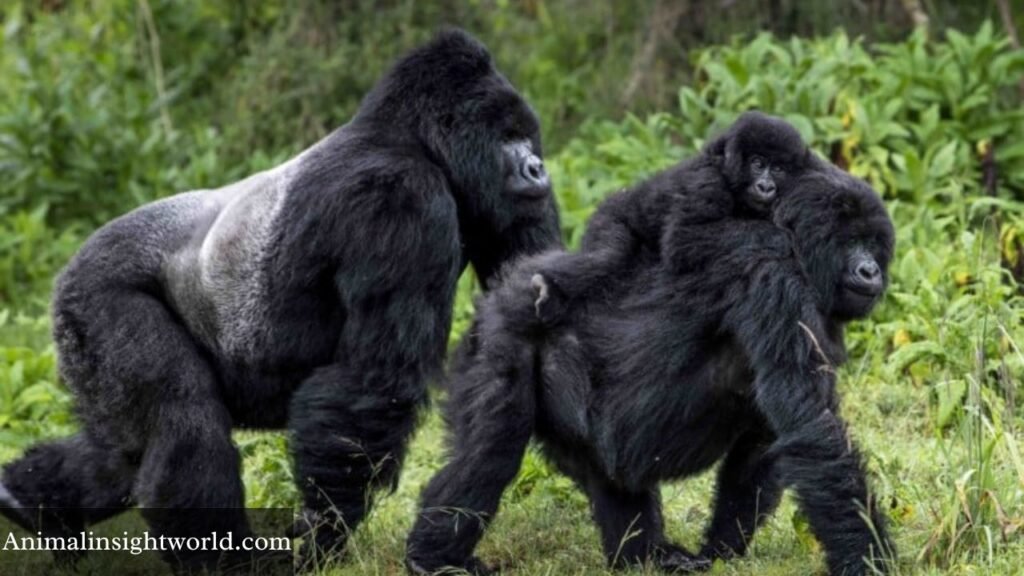
Beyond the surface of their appetites, gorillas also engage in strategic foraging. They often assess their surroundings for not just quantity but quality, displaying an advanced understanding of their nutritional needs. This behavior is particularly evident in social groups where they share foraging tips, enriching their communal knowledge. Observing this behavior highlights a blend of instinct and intelligence, reminding us that what we perceive as mere greed might actually be a nuanced survival strategy in the face of changing habitats.
Honey Badgers
Scientific Name: Mellivora capensis
Class: Mammalia
Diet: Carnivore
Honey badgers are often hailed as one of the most fearless creatures in the animal kingdom, thanks to their audacious behavior and insatiable appetites. These small yet mighty mammals have an unparalleled reputation for taking on prey much larger than themselves, from venomous snakes to formidable predators. What sets them apart is not just their courage but their remarkable tenacity; if a honey badger spots a meal, whether it’s a nest of honeybees or a snake, they will stop at nothing to claim it, often ignoring the risks involved.
Their greedy nature extends beyond just food; honey badgers exhibit a remarkable adaptability to different environments and opportunities. When foraging, they display an uncanny ability to tackle some of the most challenging food sources like termite mounds and honeycombs, employing tools and strategies that highlight their intelligence. This opportunistic behavior allows them to thrive in diverse habitats, making them true survivors. In a world where many creatures limit themselves to specific diets, honey badgers’ voracious appetites and fearless approach to life showcase the power of adaptability and resourcefulness in the wild.
You can also read: Explore Top 13 Animals That Eat Honey.
Vulture
Class: Aves
Diet: Carnivore (Scavenger)
Vultures, often cast as the misunderstood scavengers of the animal kingdom, play a vital role in maintaining ecological balance. These birds, with their bald heads and imposing wingspans, have developed remarkable adaptations that make them nature’s ultimate recyclers. Their keen sense of sight allows them to spot carrion from impressive heights, while their strong digestive systems can neutralize harmful bacteria and toxins found in decaying flesh. This not only helps clean the environment but also prevents the spread of disease, highlighting their indispensable contribution to ecosystem health.
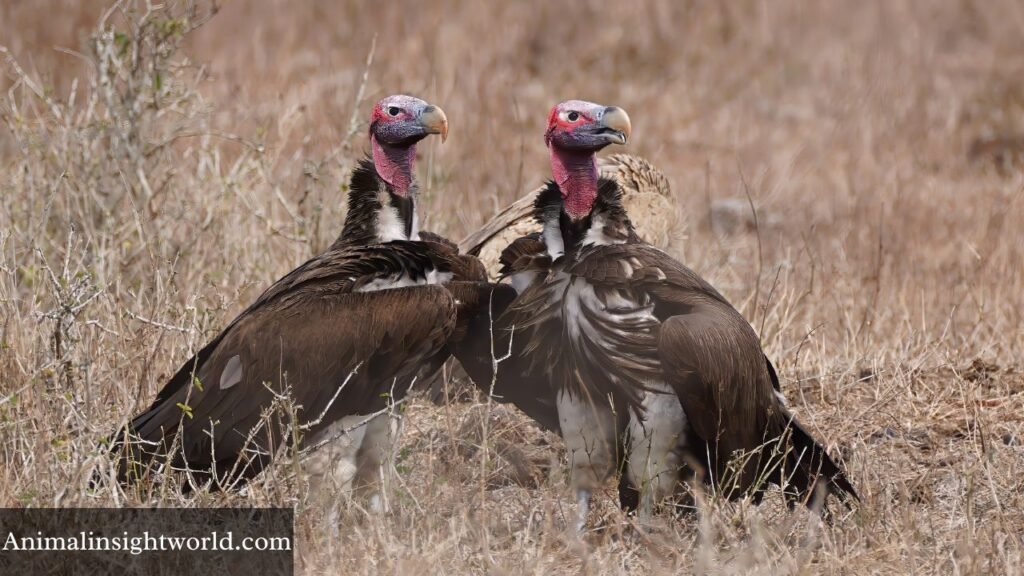
Vultures exhibit a complex social structure that belies their solitary feeding habits. When a vulture discovers a meal, other members of the flock are quick to join in, leading to a communal feast that showcases their unspoken teamwork. Yet, this behavior also highlights a darker aspect — certain species have been driven to near extinction due to poaching and habitat loss, primarily because of misguided fear and misunderstanding. By shifting our perspective on vultures from mere scavengers to essential ecosystem engineers, we can foster a greater appreciation for their presence and advocate for their protection in a rapidly changing world.
Tiger Sharks
Scientific Name: Galeocerdo cuvier
Class: Chondrichthyes
Diet: Carnivore
Tiger sharks are often dubbed the “garbage cans of the ocean” due to their indiscriminate diet and remarkable hunting adaptability. Unlike many other shark species that exhibit selective feeding habits, tiger sharks consume everything from crustaceans to marine mammals, and even non-food items like tires and license plates. This unique behavior not only showcases their opportunistic feeding strategy but also highlights the ecological impact of their diverse diet, as they help regulate populations of various marine species and contribute to the balance of their ecosystems.
What makes tiger sharks particularly fascinating is their role in keeping marine environments healthy, despite their reputation for greediness. By preying on weakened or ill animals, they facilitate a natural selection process that contributes to the overall vitality of oceanic life. Furthermore, studying their feeding habits provides critical insights into the effects of human activity on marine ecosystems. With rising pollution levels and habitat destruction, understanding how tiger sharks navigate these challenges can inform better conservation efforts, making them not just symbols of ocean ferocity, but also indicators of ecological health.
Ant
Scientific Name: Formicidae
Class: Insecta
Diet: Omnivore
Ants epitomize the concept of a communal effort driven by a singular motivation: survival. These tiny creatures display an extraordinary ability to organize and strategize, often in pursuit of food. Their impressive foraging techniques exemplify not just a desire for abundance but a sophisticated understanding of their environment. When a food source is found, ants mark the path with pheromones, creating bustling highways that lead their comrades directly to the treasure.
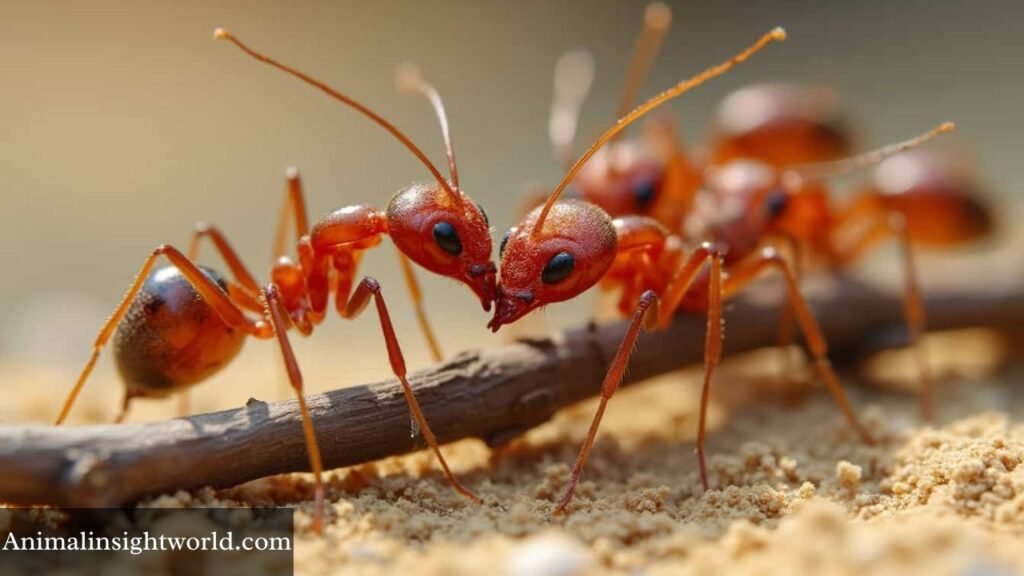
This collective greed isn’t merely for their own sustenance; it’s about the survival of the colony. A single ant hoarding food reserves could spell disaster for the group. By working together, they optimize their foraging efficiency, adapting to seasonal changes and threats. While it may seem selfish, their cooperation transforms individual greed into a communal success, showcasing a fascinating dynamic of selfishness harmonized with altruism.
Readmore: Explore Top 24 Animals That Have Small Ears.
Octopus
Scientific Name: Octopus vulgaris
Class: Cephalopoda
Diet: Carnivore
Octopuses are remarkable creatures, not just for their intelligence but also for their intriguing, greedy behaviors when feeding. With three hearts and an astonishing eight arms, they are masters of multitasking, transforming the underwater hunting scene into a dramatic display of adaptability. These cephalopods exhibit a level of cunning that rivals even the most strategic predators; they can manipulate tools and camouflage themselves seamlessly, allowing them to ambush unsuspecting prey.
While they primarily feast on crabs and mollusks, some octopuses have been observed displaying remarkable problem-solving skills to access harder-to-reach snacks, such as fish hidden within crevices. This insatiable curiosity and hunger lead them to explore, experiment, and ultimately find clever ways to maximize their meals. Moreover, octopuses are known to exhibit a fascinating behavior termed “ink cloud desorption,” where they will use ink as a distraction, grabbing a chance to escape or seize a meal while their target’s vision is obscured.
Tasmanian Devils
Scientific Name: Sarcophilus harrisii
Class: Mammalia
Diet: Carnivore
Tasmanian devils, often misunderstood as mere scavengers, are fascinating predators in their own right. Their notorious reputation for greed stems from their powerful jaws and a ravenous appetite, capable of consuming an impressive 40% of their body weight in a single meal. This insatiable hunger has evolved alongside their unique ecological niche, helping them play a crucial role in controlling populations of carrion and smaller animals within their habitats. Yet, their feeding habits reveal a deeper narrative about survival and resilience in the face of adversity.
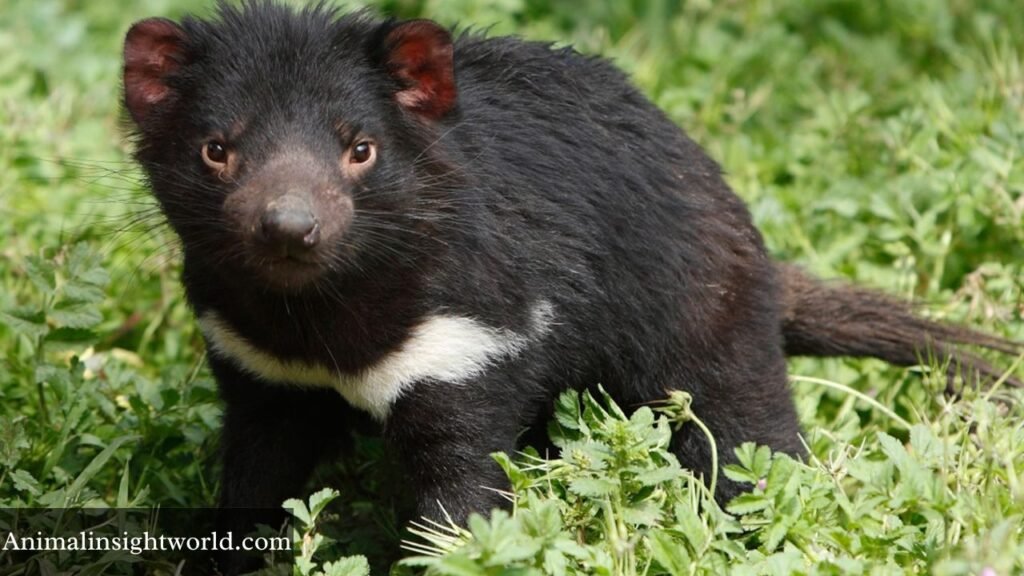
Contrary to their image as gluttonous beasts, these marsupials demonstrate remarkable social behavior during feeding. They often engage in vocalizations and posturing, establishing a pecking order that speaks to their complex social structure. In a way, their “greed” is a tool for ensuring species continuity; their ability to quickly process carrion effectively recycles nutrients back into the ecosystem. This behavior not only benefits them but fosters a delicate balance within their environment, highlighting the interconnectedness of life in Tasmania’s wild landscapes.
As these creatures face extinction due to disease and habitat loss, understanding their role as both scavengers and hunters is more vital than ever. By appreciating the Tasmanian devil’s intricate behaviors and ecological contributions, we can advocate more effectively for conservation efforts that protect not only this remarkable species but the biodiversity of their entire ecosystem.
Seagulls
Class: Aves
Diet: Omnivore
One of the most entertaining aspects of seagulls is their remarkable adaptability and cunning. These birds have evolved to thrive in urban environments, cleverly embracing the chaos of human activity. Their notorious scavenging habits are not just a byproduct of urban existence; they showcase an impressive level of intelligence. Seagulls often work in teams, distracting beach-goers while others swoop in for unattended snacks. This behavior exemplifies their strategic thinking, reinforcing the notion that greed can come with a hint of teamwork.
Moreover, seagulls’ raucous cries and assertive behavior elevate them to the role of aerial bullies. Whether it’s a discarded French fry or a bit of fish bait, these opportunists are relentless in their pursuits. They remind us of the delicate balance between adaptation and aggression in the quest for survival. Observing a group of seagulls dive-bombing a picnic reveals not merely their greed, but also their intricate understanding of community dynamics and resource allocation in a bustling environment.
Chimpanzees
Scientific Name: Pan troglodytes
Class: Mammalia
Diet: Omnivore
Chimpanzees exemplify a unique blend of intelligence and avarice, often displaying behaviors that highlight their resourcefulness and social complexities. In the wild, they compete for ripe fruits and other coveted food sources, showcasing not only their ability to locate these treasures but also the strategy involved in securing them. Witnessing a chimpanzee cleverly manipulate its social network by sharing food can be a fascinating study in altruism — a tactic that ensures future access to necessary resources through reciprocal relationships.
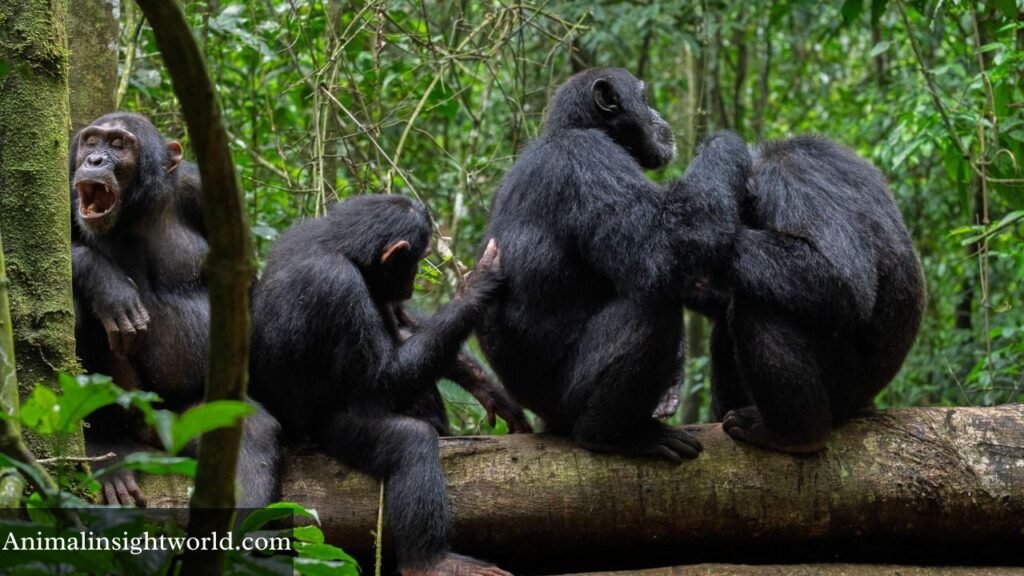
Intriguingly, their greed isn’t just about survival; it taps into deeper social dynamics. When one chimpanzee hoards food, it can trigger competition and tension within the group, resulting in intriguing displays of conflict, negotiation, and even theft. Through these encounters, researchers gain insight into the complexities of chimpanzee societies, revealing how individual desires shape group behavior. As they navigate the fine line between cooperation and competition, chimpanzees remind us that greed isn’t solely a base instinct, but rather a nuanced aspect of social interaction and environment, echoing the dynamics of our own human societies.
Also read: Explore Top 17 Animals That Eat Grasshoppers.
Foxes
Scientific Name: Vulpes vulpes
Class: Mammalia
Diet: Omnivore
Foxes, often regarded as cunning and clever, embody a fascinating blend of intelligence and opportunism in their hunting habits. Their ability to adapt to various environments — from sprawling urban landscapes to dense forests — highlights their resourcefulness. This adaptability often drives them toward scavenging, leading to the label of “greedy” as they exploit easy meals left behind by humans or fellow wildlife. A fox’s keen senses allow it to locate food with incredible precision, even beneath snow, showcasing not just survival but a strategic mindset in its pursuit of sustenance.
However, labeling them merely as greedy overlooks their social structure and communal behaviors. In a family unit, foxes will share their spoils, demonstrating an understanding of cooperation that can be quite unexpected. Moreover, their diet is unexpectedly diverse; they will consume everything from small mammals to fruits and insects, making them omnivorous opportunists. This flexibility not only ensures their survival but also plays a crucial role in maintaining ecological balance. By controlling rodent populations and dispersing seeds, foxes contribute subtly yet significantly to their ecosystems, proving that sometimes greed can foster a greater good.
Crocodile
Class: Reptilia
Diet: Carnivore
Crocodiles, often portrayed as stealthy ambush predators, exhibit a fascinating blend of strategy and sheer greed in their feeding habits. With powerful jaws and an impressive bite force capable of crushing bone, these reptiles don’t just hunt for survival; they are opportunistic diners, augmenting their dietary palette with anything from fish to large mammals. Interestingly, while many consider them solitary hunters, they sometimes display social behavior — gathering in groups when a significant food source becomes available. This collective greed can lead to dramatic displays of dominance as they compete for a single meal, showcasing not just their physical prowess but also a cunning intelligence rarely acknowledged.
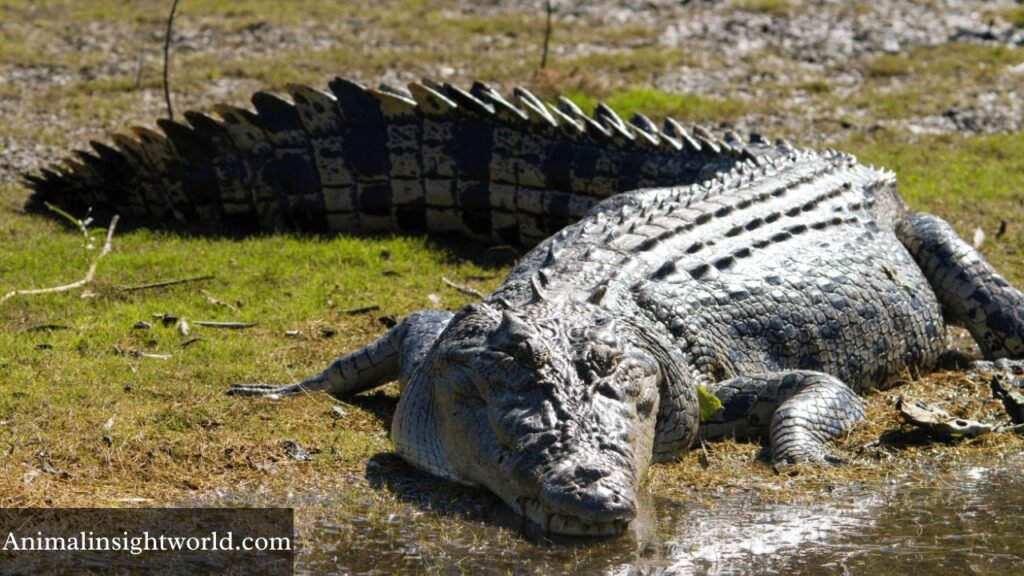
Beyond their predatory instincts, crocodiles possess a lesser-known yet striking characteristic: they store excess food for leaner times. Found in the depths of riverbanks, they often hide larger prey in underwater caches, essentially turning their territories into temporary larders. This behavior raises intriguing questions about their cognitive abilities and the long-term planning involved in their survival strategy. By hoarding food, crocodiles exemplify a primal understanding of resource management, highlighting that even the most primal creatures can have intricate lives shaped by greed, survival, and intelligence.
You can also read: Explore Top 17 Animals That Hop.
American Pygmy Shrews
Scientific Name: Sorex hoyi
Class: Mammalia
Diet: Insectivore
The American pygmy shrew, a diminutive creature weighing in at just a few grams, defies expectations with its insatiable appetite. This tiny mammal, often measuring only about three to five inches long, has a metabolism that could put larger animals to shame. To sustain their energy levels, pygmy shrews consume half their body weight daily, relentlessly foraging through leaf litter and undergrowth for insects and other invertebrates. This voracious feeding is not just a matter of survival; it reveals a fascinating aspect of their behavior, as they navigate their territory with an impressive sense of smell and astute awareness of predator presence.
Imagine this minuscule predator’s day: darting from one hiding spot to another, it employs speed and agility to outpace threats while simultaneously scouring the forest floor for its next meal. Their quick pace and constant movement are a testament to their survival strategy — the more they forage, the greater their chances of staving off starvation in a habitat where resources can fluctuate significantly. Interestingly, pygmy shrews are not just about sheer consumption; they also exercise tactical cunning. By layering their territories with scents, they create mini hunting grounds, marking areas where food is abundant, ensuring they return to the spots where their efforts reap the highest rewards.
Rat
Scientific Name: Rattus rattus
Class: Mammalia
Diet: Omnivore
Rats, often cast in the shadows of urban environments, display a fascinating blend of intelligence and opportunism that underscores their survival prowess. With a remarkable adaptability, these creatures navigate complex landscapes, from bustling city streets to rural fields, always on the lookout for sustenance. Their keen sense of smell can detect food sources from great distances, prompting behaviors that might seem greedy but are merely instinctual survival strategies. When food is plentiful, rats engage in competitive feeding frenzies, showcasing their social dynamics — larger groups often dominate, revealing an intricate hierarchy that speaks to their complex social structures.
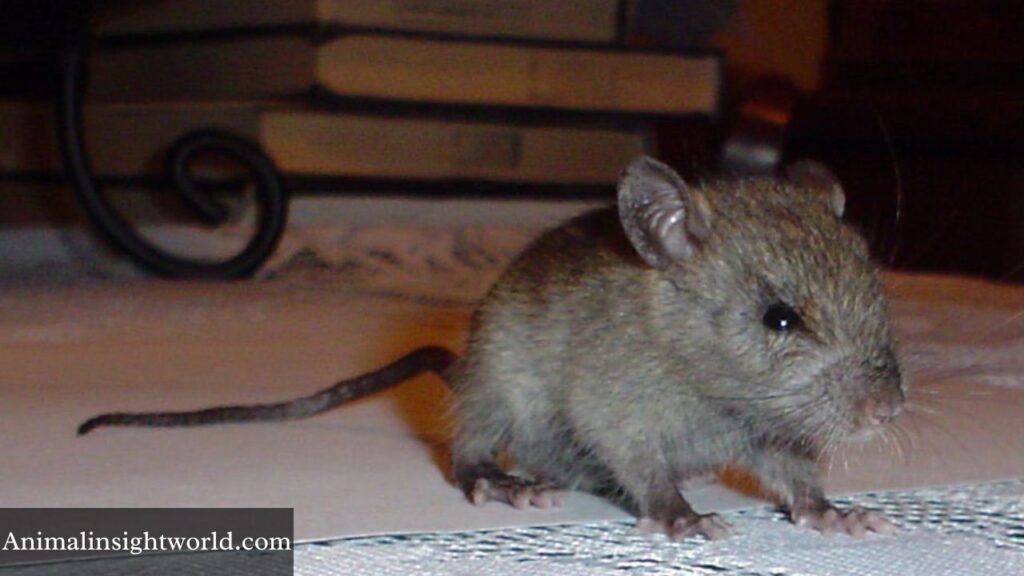
Interestingly, their insatiable appetites can lead them to become unwitting benefactors to the ecosystems they inhabit. As they forage, rats inadvertently disperse seeds and contribute to soil aeration, promoting plant growth. This duality of being seen as pests and yet playing a vital ecological role invites us to reconsider our perception of these much-maligned creatures. Their ability to thrive in human-altered landscapes serves as a reminder of nature’s resilience, encouraging us to appreciate the nuances of wildlife dynamics rather than solely focusing on their most notorious traits.
Readmore: Explore Top 19 Most Clumsy Animals in the World.
Lion
Scientific Name: Panthera leo
Class: Mammalia
Diet: Carnivore
Lions, often hailed as the apex predators of the savanna, exhibit a fascinating blend of communal strategy and individual greed. While they are social animals living in prides, their hunting behavior reveals a stark contrast. A lion’s greed manifests when it comes to sharing a kill; dominant males often eat first, leaving the rest to scramble for leftovers. This hierarchy isn’t just about power; it influences genetic diversity within the pride, as only the strongest genes are passed on and thrive.
Interestingly, this greed drives lions to pursue not just immediate survival but long-term strength of their lineage. When a new male takes over a pride, he often kills the existing cubs to bring the females back into estrus, ensuring that his own genes dominate the gene pool. This ruthless strategy highlights a chilling truth: in the battle for survival, emotional bonds can be severed for the sake of self-interest and reproductive success.
Brown Bears
Scientific Name: Ursus arctos
Class: Mammalia
Diet: Omnivore
Brown bears are a striking embodiment of nature’s voracious appetite, especially during the salmon spawning season. As these majestic creatures plummet through rivers with an elegant blend of power and agility, their insatiable hunger for fatty fish is not just a seasonal feast but a strategic survival tactic. By consuming copious amounts of salmon, brown bears build up essential fat reserves, crucial for enduring the harsh winters when food availability drastically decreases. This remarkable cycle reveals a deeper connection to the ecosystem; as they feast, they also play a role in nutrient cycling, dispersing salmon carcasses that enrich the forest floor.
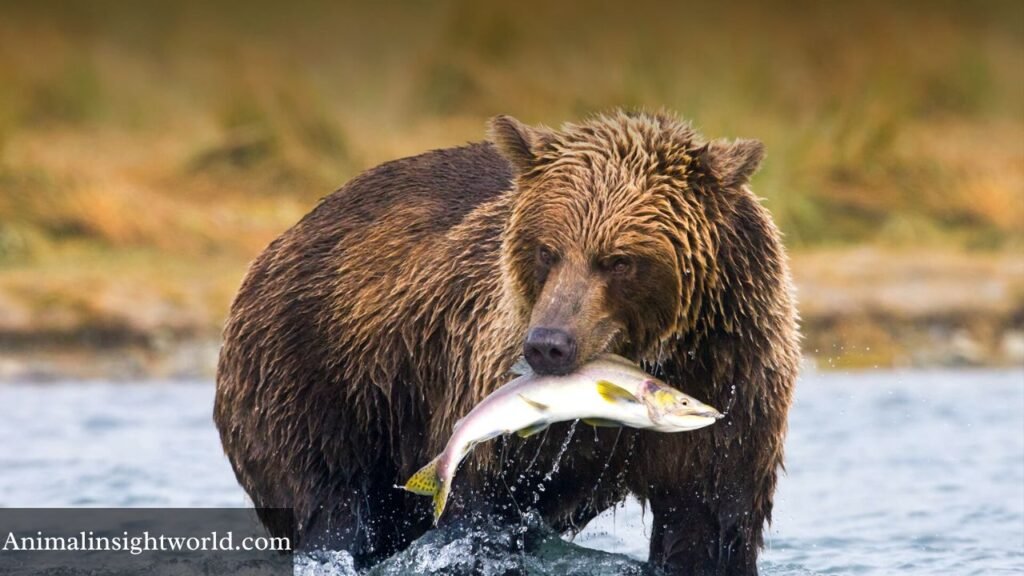
What’s fascinating is how their greed reflects a tailored adaptation to their environment. In recent years, studies have shown that brown bears will adjust their foraging habits based on food availability and competition, showcasing a remarkable level of intelligence and resourcefulness. For example, in areas with abundant berries, these bears can shift their diet, proving their opportunistic nature.
Baboon
Class: Mammalia
Diet: Omnivore
Baboons, with their strikingly colorful faces and commanding presence, often find themselves at the forefront of wildlife encounters in Africa. These social primates exhibit remarkable intelligence, which, when combined with their opportunistic nature, paints a vivid picture of a species that thrives not just on survival instincts but also on calculated greed. When it comes to food, baboons have been known to exhibit a rather audacious behavior — raiding crops, rummaging through human refuse, and orchestrating audacious heists in tourist areas. Their adaptability allows them to exploit various environments, making them resilient creatures that turn even the most mundane situations into a buffet of possibilities.
Interestingly, their behavior provides fascinating insights into social dynamics and competition within their troops. Baboons often prioritize social hierarchies when foraging, leveraging their relationships to access the most desirable food first. This creates a complex interplay of cooperation and competition; adult males might engage in food-sharing behaviors to bolster alliances, while females strategize to ensure their offspring have first dibs on prime food resources. Such actions not only highlight their cleverness but also reveal an underlying truth: in the struggle for sustenance, social bonds can sometimes outweigh individual greed, creating a unique balance in their survival strategy.
Puffins
Scientific Name: Fratercula
Class: Aves
Diet: Carnivore
Puffins, with their strikingly colorful beaks and comical demeanor, are not just charming seabirds; they’re also quite the little gluttons of the marine world. Known for their remarkable diving skills, puffins can plunge into the depths to snatch up schools of fish, primarily sand eels. What’s fascinating is their ability to cram multiple fish into their beak at once — some have been known to carry up to 10 fish simultaneously! This peculiar mouthful not only highlights their impressive dexterity but also their audacious approach to feeding, reflecting a competitive spirit in the harsh realities of the ocean.
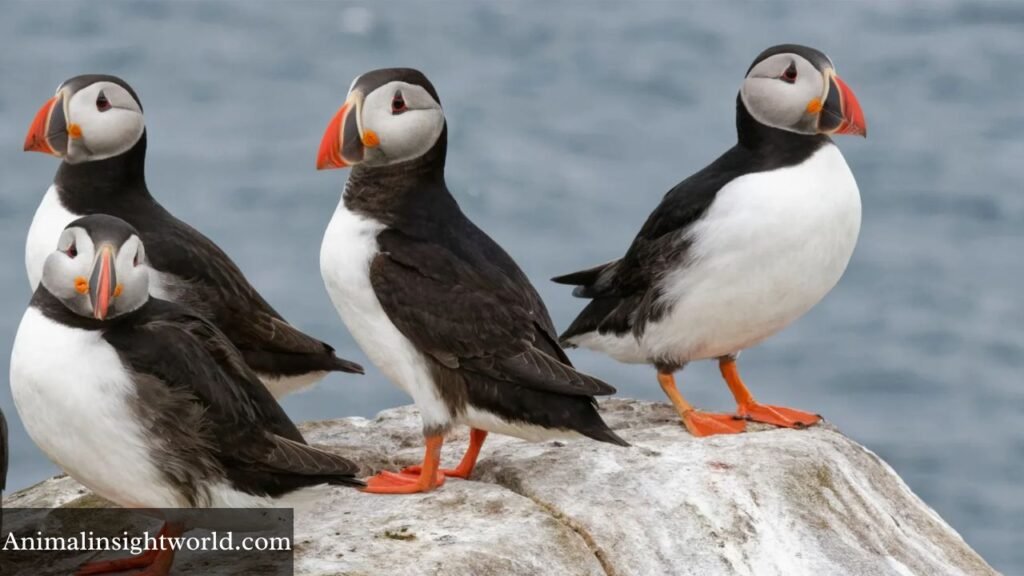
Moreover, puffins exhibit a unique feeding strategy that borders on greedy. Their ability to catch and hold so many fish at a time ensures they can bring back ample meals to their chicks, a crucial survival tactic in the face of dwindling prey due to overfishing and climate change. This means that puffins must be shrewd, navigating the balance between their insatiable appetite and the nurturing of their young.
You can also read: Explore Top 13 Animals That Eat Mushrooms.
Weasel
Scientific Name: Mustela nivalis
Class: Mammalia
Diet: Carnivore
Weasels are often portrayed as cunning and opportunistic, embodying the notion of greed in the animal kingdom. Known for their slender bodies and fierce hunting skills, these small carnivores have an uncanny ability to exploit their environment. They frequently raid the nests of songbirds, snatching eggs and juveniles alike with a stealth that belies their size. What’s fascinating is how their hunger drives them to take on prey much larger than themselves, showcasing a boldness that mirrors the often-overlooked dark side of nature’s survival game.
Beyond their predatory habits, weasels also exhibit behaviors that reveal a complex relationship with their environment. Their ability to adapt to various habitats, from forests to fields, underscores their opportunism. It’s not just about immediate gain; weasels play a crucial role in controlling rodent populations, balancing ecosystems even as they behave greedily.
Pufferfish
Scientific Name: Tetraodontidae
Class: Actinopterygii
Diet: Carnivore
The pufferfish, with its mesmerizing ability to inflate into a spiky orb, is one of nature’s most fascinating examples of survival and strategy. However, beyond this extraordinary defense mechanism lies a surprisingly greedy streak. These fish aren’t just passive creatures; they actively seek out and consume a wide variety of food, from algae to crustaceans, showcasing a voracious appetite that rivals their unique appearance. They’ve adapted to scavenging and even hunting, using their beak-like teeth to crack open shells and seek out hidden morsels in the ocean floor.
What’s truly captivating about the pufferfish is its intelligence in locating meals. They often employ clever tactics, like digging in the sand or hovering around coral reefs, to access hard-to-reach food. This cleverness extends beyond mere survival; it highlights their essential role in marine ecosystems as both prey and predator. Observing these creatures munch and forage offers a glimpse into the delicate balance of ocean life, reminding us that even in the wild, greed can be a double-edged sword, fueling both individual success and communal health in the underwater world.
Wolverine
Scientific Name: Gulo gulo
Class: Mammalia
Diet: Carnivore
The wolverine, often overshadowed by more charismatic carnivores, possesses a tenacity that sets it apart in the animal kingdom. Often described as nature’s miniature bear, these creatures are not just tough; they are opportunistic survivors. With a reputation for their ferocious appetite, wolverines will take down prey much larger than themselves, showcasing a fearless approach to feeding that many would deem reckless. Their powerful jaws allow them to crack open frozen carcasses, making them adept scavengers and hunters in harsh winter conditions.
What’s truly fascinating, however, is their role in their ecosystems. By hoarding food — and they do so with impressive foresight — wolverines inadvertently support other species. Their leftover meals become vital resources for scavengers like ravens and foxes during lean times. This “greedy” behavior ensures a cycle of life, where their aggressive foraging enhances biodiversity. It prompts us to redefine greed not merely as a selfish quality, but as a survival strategy that fosters interdependence in the wild.
Also read: Explore Top 15 Most Active Animals in the World.
Burmese Python
Scientific Name: Python bivittatus
Class: Reptilia
Diet: Carnivore
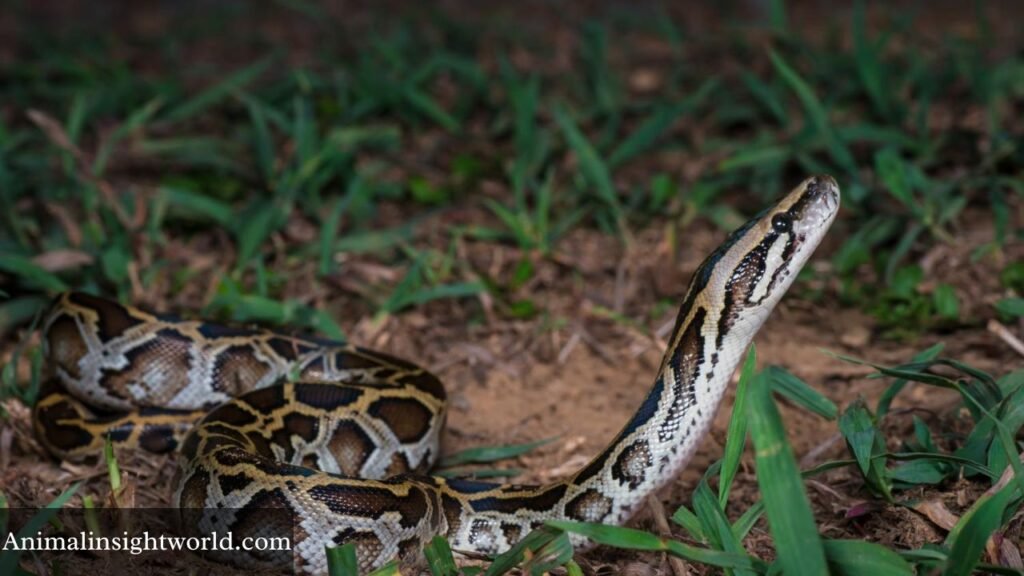
The Burmese python is a master of stealth and strategy, showcasing a remarkable blend of patience and greed. As they lie in wait, these serpents can sense the slightest movements of potential prey, executing a strategy that belies their sluggish reputation. When they strike, their jaws stretch to an astonishing degree, allowing them to gulp down prey much larger than themselves. This voracious appetite is not just a biological necessity; it’s a reflection of their adaptive survival tactics in the wild.
Coyote
Scientific Name: Canis latrans
Class: Mammalia
Diet: Omnivore
Coyotes, often seen as cunning survivors, exhibit behaviors that underscore their reputation as greedy foragers. Their adaptability allows them to thrive in diverse environments, from arid deserts to urban landscapes. This flexibility enables them to exploit a variety of food sources, ranging from small mammals to discarded human food. Unlike their wolves cousins that hunt in packs, coyotes often rely on solitary strategies, which encourages opportunistic feeding — scavenging when necessary, even pilfering from other predators.
This insatiable quest for sustenance also highlights a unique aspect of their behavior: their role as ecosystem balancers. While their scavenging may seem selfish at first glance, it helps control rodent populations and facilitates nutrient cycles within their habitats. By indulging their greedy tendencies, coyotes inadvertently foster healthier ecosystems, proving that their actions can contribute positively to their surroundings.
Readmore: Explore 16 Common Animals That Eat Seeds.
Final Thoughts
Ultimately, the exploration of the most greedy animals serves as a reminder of nature’s complexity and the survival instincts that drive it. Whether it’s the crafty raccoon rifling through our garbage or the relentless scavenging of hyenas, these animals exhibit behaviors that spark both curiosity and concern. Their greed often mirrors the challenges faced by ecosystems, where competition for resources can dictate survival. By understanding these behaviors, we can foster a greater respect for wildlife and the need for conservation. Join the conversation about protecting our planet’s biodiversity and consider how your actions can make a difference.
FAQs
What animals are greedy?
When we think of greedy animals, some of the most notorious examples are raccoons and seagulls. Raccoons are known for their cleverness; they often raid garbage cans and picnic sites, leaving no food behind. They’ll go to great lengths to get a meal, showcasing their opportunistic nature. Seagulls are another classic example. These birds are notorious for swooping in on beachgoers’ snacks, often snatching food right out of hands.
What is the greediest animal in the world?
The wolverine is often labeled as one of the greediest animals in the world. Known for its voracious appetite, this solitary creature will scavenge and hoard food whenever it can find it. Wolverines are not picky eaters; they’ll consume anything from small mammals to carrion. Their incredible strength allows them to take down prey larger than themselves, ensuring they get their fill. Wolverines are notorious for their penchant for caching food, burying leftovers in the snow or ground to stash for later. This behavior reflects not just greed, but also a survival strategy in harsh environments where food scarcity is common.
What is the greediest mammal?
The title of the greediest mammal likely goes to the African elephant. These massive creatures are known for their insatiable appetite, consuming up to 300 pounds of vegetation each day.
What bird represents greed?
The bird that often represents greed is the crow. Crows are known for their intelligence and resourcefulness, but they can also be quite opportunistic. They are attracted to shiny objects and often collect them, symbolizing a relentless pursuit of material wealth. This behavior aligns well with the characteristics of greed, as they seem to prioritize possession over other values.