Top 15 Animals That Live in Caves
Caves are dark, cool, and mysterious places, home to animals that have adapted to life without sunlight. Some cave animals are blind, having lost their eyes over generations in the dark, while others have developed extraordinary senses of hearing, touch, and smell to navigate and find food. Caves provide shelter from weather and predators, and they are essential for bats, which roost in them by the millions. In this list, we look at fifteen animals that live in caves, from the tiny blind fish to the mighty bat. Each one shows a different way of surviving in a world of darkness, stone, and silence.
1. Little Brown Bat
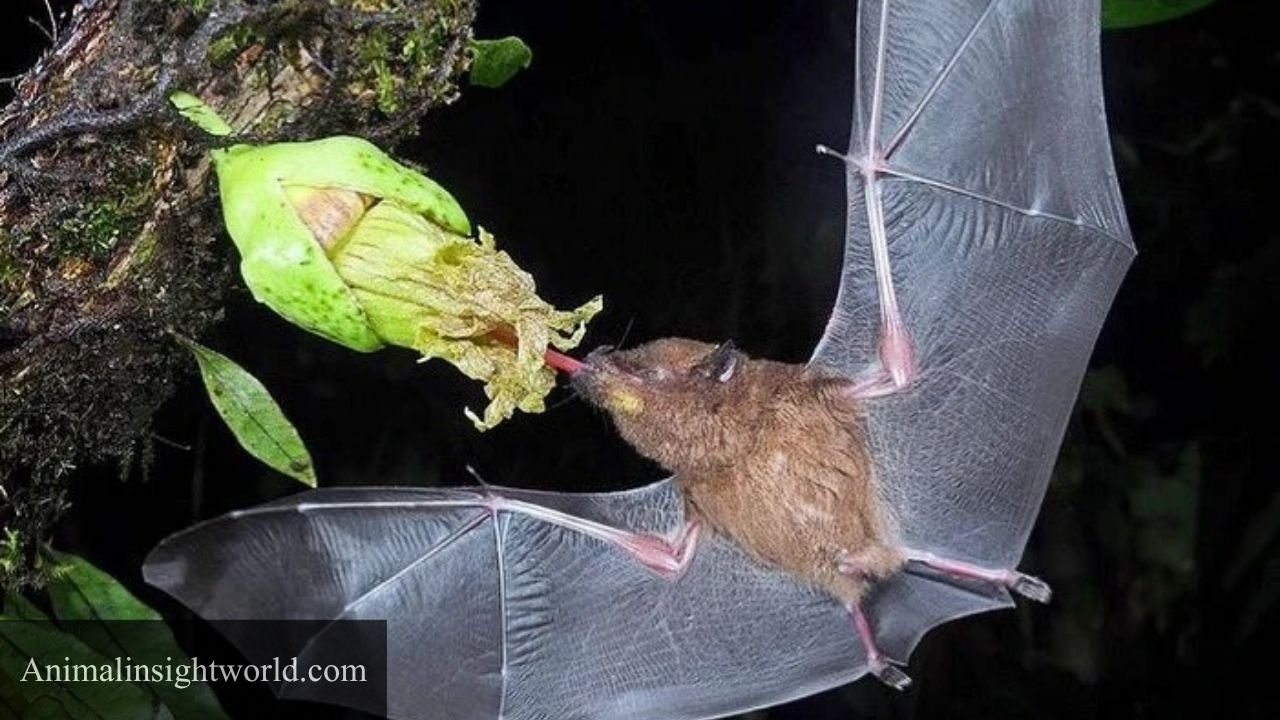
The little brown bat is one of the most famous cave animals, roosting in caves by the thousands during the day and hibernating in them through the winter. It uses echolocation to navigate in the dark, sending out high-pitched calls and listening to the echoes to find its way. Little brown bats feed on insects, catching them in flight at night, and they can eat more than a thousand mosquitoes in a single hour. They roost in caves, mines, and buildings, hanging upside down by their feet. During winter, they hibernate in caves, slowing their heart rate and body temperature to survive the cold months. Little brown bats are found across North America, and their numbers have been devastated by white-nose syndrome, a disease that has killed millions of bats in caves.
2. Mexican Tetra
The Mexican tetra is a small fish that lives in caves in Mexico, where it has lost its eyes and its colour over generations in the dark. The blind cave form of the tetra is pale and eyeless, while the surface form has eyes and silvery scales. Cave tetras navigate using their lateral line, a sensory system that detects vibrations and pressure changes in the water. They feed on insects, crustaceans, and other small animals that fall into the cave pools. Mexican tetras are a classic example of evolution in action, showing how animals adapt to life in darkness. They are popular in scientific research, because their loss of eyes and their enhanced senses provide insights into how evolution works. Their cave home is a world without light, where touch and vibration are more important than sight.
3. Oilbird
The oilbird is a nocturnal bird that lives in caves in South America, using echolocation to navigate in complete darkness, much like a bat. It produces rapid clicks that bounce off the cave walls, allowing it to fly safely through tunnels where no light reaches. Oilbirds feed on fruit, especially the fruit of palm trees, and they travel long distances at night to find food. They are the only nocturnal fruit-eating birds in the world, and their echolocation is unique among birds. Oilbirds nest on ledges deep inside caves, where they raise their chicks on a diet of fruit. Their colonies can number thousands of birds, and their eerie, clicking calls echo through the caves. Oilbirds are a symbol of the mysterious world of caves, and their ability to navigate in darkness is remarkable.
4. Cave Cricket
The cave cricket is a long-legged, hump-backed insect that lives in caves, feeding on fungi, dead animals, and other organic matter that washes into the cave. It has very long antennae that it uses to feel its way in the dark, and it has no wings, so it cannot fly. Cave crickets are often found near cave entrances, where they feed at night and return to the cave during the day. They are an important food source for other cave animals, including spiders, salamanders, and bats. Cave crickets can jump impressive distances, using their long hind legs to leap away from danger. They are found in caves all over the world, and they are a sign of a healthy cave ecosystem. Their long antennae and legs are perfectly adapted to life in the dark, where touch is more important than sight.
5. Blind Cave Salamander
The blind cave salamander, also known as the olm, is a pale, eyeless amphibian that lives in the caves of Slovenia, Croatia, and Bosnia. It has a long, slender body, external gills, and skin so pale that its internal organs are visible through it. Olms can live for more than a hundred years, and they can go without food for up to ten years, slowing their metabolism to survive in caves where food is scarce. They feed on small crustaceans, snails, and other cave animals, which they detect with their excellent senses of smell and hearing. Olms are completely adapted to life in darkness, having lost their eyes and their pigmentation over millions of years. They are a symbol of the caves of the Dinaric Alps, and they are protected by law because of their rarity and their unique biology.
6. Cavefish
Cavefish are a group of fish that live in caves around the world, having lost their eyes and their colour in the darkness. They navigate using their lateral line systems, which detect vibrations in the water, and they have enhanced senses of taste and smell. Cavefish feed on insects, crustaceans, and other small animals that fall into cave pools, and they are often the top predators in their cave ecosystems. Some species of cavefish have been isolated in caves for millions of years, evolving into distinct species found nowhere else. They are a classic example of convergent evolution, with different species developing similar adaptations to life in darkness. Cavefish are threatened by pollution and by changes to groundwater, which can destroy their fragile cave habitats. Their survival depends on protecting the caves and the water that flows through them.
7. Swiftlet
Swiftlets are small birds that live in caves in Southeast Asia, where they build nests from their own saliva on the walls of dark caves. They navigate in the darkness using echolocation, clicking as they fly through the tunnels. Swiftlets feed on insects, which they catch in flight outside the cave, and they return to the cave to roost and to raise their chicks. Their nests are collected for bird’s nest soup, a delicacy in parts of Asia, which has put pressure on wild swiftlet populations. Swiftlets live in colonies that can number thousands of birds, and their nests are attached to the cave walls in rows. Their ability to navigate in complete darkness is remarkable, and they are one of the few birds that use echolocation. Swiftlets are a symbol of the caves of Southeast Asia, and their nests are among the most valuable in the bird world.
8. Cave Spider
Cave spiders are arachnids that live in the darkness of caves, where they hunt insects and other small animals. They have long legs and excellent senses of vibration, which help them detect prey in the dark. Some cave spiders build webs across cave passages, while others hunt actively, wandering the cave floor in search of food. Cave spiders are often pale and eyeless, having lost their eyes and their colour over generations in the dark. They are important predators in cave ecosystems, controlling insect populations and providing food for other cave animals. Cave spiders can live for many years, and some species are found only in a single cave system. Their adaptations to life in darkness are a remarkable example of evolution, and they are a sign of a healthy cave ecosystem.
9. Greater Horseshoe Bat
The greater horseshoe bat is a large bat that roosts in caves, mines, and old buildings, using echolocation to navigate and to hunt. It has a distinctive horseshoe-shaped nose leaf that focuses its echolocation calls into a narrow beam, and it can detect the fluttering wings of insects in cluttered environments. Greater horseshoe bats hibernate in caves during winter, hanging upside down and slowing their body temperature to survive the cold months. They feed on moths, beetles, and other insects, catching them in flight at night. Greater horseshoe bats are found in Europe, Asia, and North Africa, and they are threatened by habitat loss and disturbance of their roosts. Their cave homes are essential for their survival, and protecting them is a priority for bat conservation.
10. Cave Millipede
The cave millipede is a long, many-legged arthropod that lives in the darkness of caves, feeding on decaying plant matter, fungi, and dead animals. It has a segmented body and many legs, which it uses to move slowly through the cave, feeling its way with its antennae. Cave millipedes are often pale and eyeless, having lost their eyes and their colour in the dark. They are important decomposers in cave ecosystems, breaking down organic matter and recycling nutrients. Cave millipedes can live for several years, and some species are found only in a single cave system. Their slow, deliberate movements and their many legs make them a distinctive sight in caves, and they are a sign of a healthy cave ecosystem. Their adaptations to darkness are a remarkable example of how animals can thrive in the most challenging environments.
11. Texas Blind Salamander
The Texas blind salamander is a rare, eyeless amphibian that lives only in the caves and underground waters of central Texas. It has a pale, almost translucent body, external gills, and no eyes, having lost them over generations in the dark. Texas blind salamanders feed on small crustaceans, snails, and other cave animals, which they detect with their excellent senses of touch and smell. They live in the Edwards Aquifer, an underground system of caves and water-filled passages, and they are completely dependent on clean groundwater. They are endangered because of pollution and overuse of groundwater, and they are protected by law. Their adaptations to cave life are a remarkable example of evolution, and they are a sign of the health of the aquifer that millions of people depend on for drinking water.
12. False Vampire Bat
The false vampire bat is a large bat that roosts in caves and hollow trees in Central and South America, hunting small mammals, birds, and other bats. Despite its name, it does not drink blood; instead, it is a carnivorous bat that catches its prey with its sharp teeth and powerful wings. False vampire bats have excellent hearing and echolocation, which they use to find prey in the dark. They roost in caves during the day, hanging upside down in small groups, and they emerge at night to hunt. False vampire bats are among the largest bats in the Americas, with a wingspan of up to a metre. Their cave roosts are essential for their survival, and they are threatened by disturbance and by the loss of their forest habitat.
13. Common Bent-Wing Bat
The common bent-wing bat is a small bat that roosts in caves across Europe, Asia, and Australia, gathering in colonies that can number thousands of animals. It is named for its long, narrow wings, which are bent at the tip, giving it a distinctive flight shape. Bent-wing bats use echolocation to navigate in the dark and to hunt insects, catching moths, beetles, and other flying insects on the wing. They roost in caves during the day, hanging upside down in large clusters, and they hibernate in caves during winter. Bent-wing bats travel long distances between their summer and winter roosts, sometimes migrating hundreds of kilometres. Their cave homes are essential for their survival, and disturbance of their roosts is a major threat to their numbers.
14. Ghost Bat
The ghost bat is a pale, ghostly bat that lives in caves and mines in northern Australia, hunting insects, small mammals, and other bats. It is the only carnivorous bat in Australia, and it has a wingspan of up to sixty centimetres. Ghost bats have large ears and excellent echolocation, which they use to find prey in the dark. They roost in caves during the day, hanging upside down in small colonies, and they emerge at night to hunt. Ghost bats are named for their pale, almost white fur, which gives them a ghostly appearance in the dark. They are threatened by habitat loss and by disturbance of their cave roosts, and their numbers are declining. Protecting their caves is essential for their survival.
15. Cave Weta
The cave weta is a large, flightless insect of New Zealand that lives in caves, hollow logs, and other dark, damp places. It has long antennae and long hind legs, which it uses to jump away from danger. Cave wetas are nocturnal, emerging at night to feed on plants, fungi, and dead animals. They are an important food source for other cave animals, including spiders and birds. Cave wetas can grow to more than ten centimetres long, including their legs, and they are among the largest insects in New Zealand. They are found in caves and forests across the country, and they are a symbol of New Zealand’s unique wildlife. Their long antennae and legs are perfectly adapted to life in the dark, where touch is more important than sight.
Caves are worlds of darkness, where animals have evolved remarkable adaptations to survive without sunlight. The fifteen animals in this list show how diverse cave life can be, from the tiny blind fish to the mighty bat. Some have lost their eyes, some have developed echolocation, and some have learned to navigate by touch and smell. What they all share is a dependence on the cave environment, which is fragile and easily damaged. Protecting caves is essential, not only for the animals that live in them, but for the groundwater, the history, and the wonder that caves hold for all of us.
How These Animals Compare
The oilbird is one of the most surprising cave animals on this list, because it is a bird that navigates dark caves by echolocation, clicking and listening for echoes just like a bat. It is also the only nocturnal fruit-eating bird in the world, leaving the cave at night to feed on palm fruits and returning before dawn.
The swiftlet builds its nest from its own saliva on cave walls, and the nests are collected for bird’s nest soup. The cave weta, a large flightless insect from New Zealand, lives in caves and hollow logs, and it can jump long distances to escape predators. Caves are worlds of darkness, but they are full of life that has found its own way to survive without the sun.
Frequently Asked Questions
How do blind cave animals find food without eyes?
Blind cave animals such as the Texas blind salamander and the cavefish find food by smell, touch and sensing vibrations in the water. They have extra-sensitive skin and, in some cases, a highly developed sense of smell that replaces eyesight entirely.
Why do bats live in caves?
Bats roost in caves because caves stay cool, dark and humid during the day, which protects them from predators and from drying out. A single cave can shelter thousands or even millions of bats, and they fly out at night to hunt insects or fruit.
Do oilbirds really use echolocation like bats?
Yes. Oilbirds make clicking sounds and listen for the echoes to navigate in dark caves, just like bats. They are the only birds known to use echolocation, and they use it to find their nesting ledges deep inside caves.
What is a Mexican tetra?
The Mexican tetra is a small fish that lives in rivers and in caves in Mexico. The cave form is blind and pale, having lost its eyes and pigment over thousands of years in the dark, while the river form has normal eyes and colour. Scientists study both forms to understand how animals adapt to caves.
Final Thoughts
Caves are worlds of darkness, where animals have evolved remarkable ways to live without light. From the blind salamander that finds food by touch to the oilbird that navigates by sound, these fifteen animals show that life does not need the sun to survive. It only needs food, shelter and time to adapt.