USA Cleaner Jobs with Visa Sponsorship 2026
Cleaners keep the United States running in a quiet but essential way. Offices, hospitals, schools, hotels, stores, airports and homes all depend on people who clean, tidy and maintain spaces so that others can work, learn, rest and recover in safety and comfort. Without cleaners, public buildings would quickly become unusable, workplaces would be less healthy, and daily life would be far more difficult. For international workers looking for a practical route into the United States, cleaning work is often considered because the entry requirements are usually straightforward, the work is hands on, and some employers are able to sponsor overseas workers.
This guide explains USA cleaner jobs with visa sponsorship in 2026 in a clear and honest way. It describes what cleaners actually do, where they work, why employers continue to need them, what skills and documents you will need, and how to apply step by step. It also explains visa sponsorship in plain terms, including its limits, and gives a realistic picture of life and work in the United States.
Cleaning is hands on work that rewards care, steadiness and pride in a finished room. Many cleaners enjoy seeing an instant change, working on their own or in a small team, and following a reliable routine. It is not a sure path to a visa, because sponsorship rests on the employer, the job and a government decision, and nobody can promise you a visa. Anyone who does is not to be trusted. What is in your hands is good preparation, genuine employers, a clear view of the process and steering clear of the usual mistakes.
Immigration rules in the United States are complex and they change. Different visa routes have different requirements, and individual employers have different standards. Always check the current official guidance and read each job advertisement carefully before you apply.
What a Cleaner Does
Duties change with the setting: hospital cleaning follows infection control routines, hotel cleaning turns rooms around for new guests, office cleaning keeps desks and washrooms fresh, school cleaning works around class times, and private homes need a personal touch. The setting changes, but the purpose stays the same, which is a safe and pleasant space for the people who use it. A cleaner’s job is to keep a place clean, hygienic and welcoming.
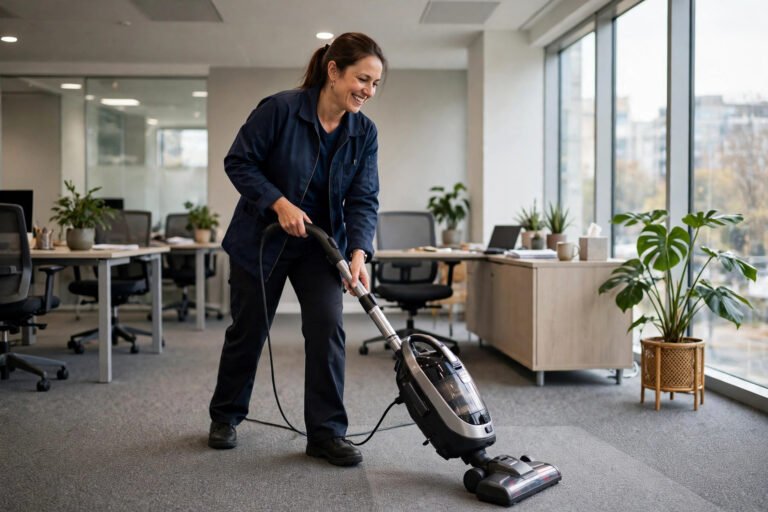
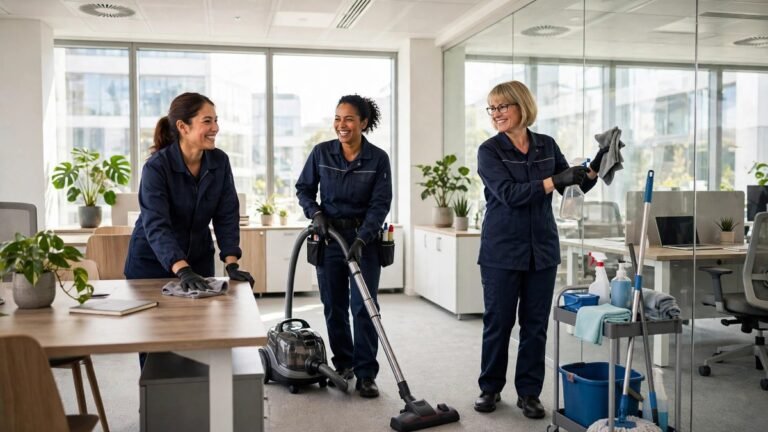
Daily cleaning tasks often include sweeping, mopping and vacuuming floors, dusting surfaces, wiping desks and tables, cleaning restrooms, emptying trash, and replenishing supplies such as soap, paper towels and toilet paper. In kitchens and dining areas, cleaners may clean countertops, sinks, appliances and floors. In bedrooms and hotel rooms, they may make beds, change linen, clean bathrooms and check that everything is in place for the next guest.
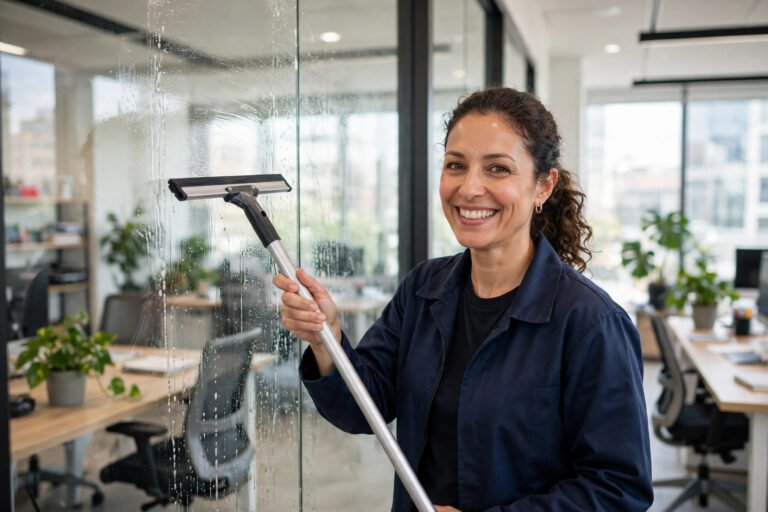
Windows, carpets, tiles, ovens and fridges all need attention beyond the daily routine, along with corners and surfaces that are not touched every day. Some cleaners train on floor scrubbers and steam cleaners, while others work mainly with cloths, mops, buckets and chemicals, learning to handle each product safely. Deeper cleaning comes up regularly as well.
In healthcare settings, cleaning has an extra layer of responsibility. Cleaners must follow strict infection control procedures, use color coded equipment to avoid cross contamination, wear protective clothing where required, and dispose of waste correctly. Training is provided, but attention to detail and a careful attitude are essential.
Cleaners also report problems they notice, such as broken fixtures, leaks, damaged furniture or low supplies. They keep supply closets tidy, look after their equipment, and follow health and safety rules at all times. In many workplaces, cleaners work early in the morning or late in the evening, when the building is quieter and they can clean without disturbing other people.
Equipment, Chemicals and Safe Practice
Professional cleaning uses machines and chemicals that need care: floor scrubbers, vacuum systems, and cleaning agents that must be diluted correctly and never mixed. Employers in the United States provide training, but a cleaner who already knows how to handle equipment safely and store chemicals properly starts ahead. Always follow the label and the training, and ask when you are unsure.
A Typical Day for a US Cleaner
A supervisor or team leader points out the areas that need extra care, any special jobs for the day and any rooms closed off for repairs. The cleaner then collects mops, cloths, a vacuum cleaner, chemicals and gloves, and starts on the first room or area on the list, working through it in order. Most shifts open with gathering equipment and looking over the day’s list.
In an office, the morning may involve emptying trash, wiping desks, vacuuming carpets, cleaning meeting rooms and making sure restrooms are stocked and clean before staff arrive. In a hotel, the day may be organised around checkout and check in times, with rooms cleaned and prepared in a set order. In a hospital, cleaning follows a strict schedule, with regular cleaning of patient rooms, corridors, restrooms and shared areas throughout the day.
Breaks fall at set points in the day, and the pace shifts as the shift goes on. One room may need only a quick tidy while the next needs a full deep clean, so a cleaner can move between floors or buildings, carry equipment up stairs and work alone for stretches. Keeping to the list matters, because the day’s tasks are expected to be finished before the shift ends, and steady timekeeping is what makes that possible.
Cleaners who do well take pride in the result, notice what others miss, work steadily without supervision and treat everyone who uses the space with respect. At the end of a shift, cleaners put equipment back in the storage area, throw waste away correctly, fill in simple records where asked, and tell a supervisor about anything that needs attention. The tasks repeat in some ways, yet the rooms, the people and the priorities change each day.
Why US Employers Need Cleaners
The United States has a large number of workplaces, public buildings, hotels, hospitals, schools and homes that need regular cleaning. As the population grows and more buildings are used every day, the demand for cleaning services remains steady. Cleaning is not a job that can be paused for long without consequences, because dirt, dust and germs build up quickly and affect health, safety and comfort.
That steady demand creates openings for overseas workers who are ready to work flexible hours and take the job seriously. Filling cleaning roles is a struggle for many employers, above all for early morning, evening, overnight and weekend shifts. The hours can be unsocial, the work is physical, and plenty of people prefer other kinds of work, so staff turnover runs high and hiring rarely stops.
A number of cleaning firms and large employers can sponsor overseas workers for roles that meet the immigration requirements, but that is far from every cleaning job. Most cleaning posts are filled locally and carry no sponsorship, so overseas applicants should concentrate on employers who can sponsor and who say so in the advert.
Demand varies by sector and location. Hospitals and schools usually need cleaners all year round. Hotels and vacation accommodation may be busier in peak seasons. Offices in large cities often have steady demand, while smaller towns may have fewer vacancies. Researching the sector and location that suit you best will help you target your applications more effectively.
Who Does Well in This Role
Cleaning fits people who are practical, dependable and sharp eyed. If a freshly cleaned room gives you satisfaction, if you like working with your hands, and if you are happy with routine done properly, the work can suit you well. It also fits people who can work without someone watching, since cleaners often spend part of a shift alone in a room or a corridor.
You will spend most of the shift on your feet, bending to clean low surfaces, lifting buckets, pushing a vacuum cleaner, reaching high shelves and carrying supplies between rooms. Nobody expects great strength, but you should be comfortable with steady physical effort over several hours. A reasonable level of fitness makes the work easier and helps you avoid aches and strains.
Attention to detail is one of the most important qualities in cleaning. A good cleaner notices dust on a shelf, a mark on a mirror, a stain on a carpet or a trash bin that has been missed. Employers value workers who check their work, follow checklists carefully and take pride in leaving a space looking and smelling clean.
Employers remember workers they can trust, and those workers are the first to be offered more hours or better shifts. Trust matters enormously in cleaning, because cleaners often hold keys, enter private homes and offices, and work around personal belongings and confidential papers. Turning up on time, following security routines, respecting people’s privacy and finishing tasks without being chased are what build confidence.
You need to follow instructions, read the labels on cleaning products, understand safety signs and talk with supervisors and colleagues. Your English does not have to be perfect, but you should manage ordinary work conversations, and improving it before you apply will pay off in interviews and on the job. Enough English for safety and everyday communication is a must.
The Paperwork: What Cleaner Applicants Need
Treat the job advert as the final word for that particular role, because it is the only place that lists exactly what that employer wants. Every employer sets its own bar, but most cleaning jobs share a common starting point. The notes below sketch what employers and the immigration process usually look for, so you know what to prepare.
First, you will usually need to be of working age and able to work legally in the United States under the relevant visa route. Your passport must be valid, and you must be able to provide the documents the employer and the government ask for. This commonly includes your passport, evidence of your work history or education, and proof of your English language ability where required.
Cleaning experience is welcome and often preferred, but many employers consider people without it if they show reliability, the right attitude and a willingness to learn. Experience in housekeeping, hospitality, healthcare support or retail, or any job that involved cleaning and tidying, is worth putting on the application. Second, employers generally ask for a basic education and the ability to read, write and follow instructions in English.
Third, you may need to pass checks required by the employer. These can include a right to work check, references from previous employers, and in some roles, such as schools and hospitals, a background check. If the role involves working with vulnerable people, the check may be more detailed. You should be prepared to provide honest information and to allow time for checks to be completed.
It should show your contact details, work history in reverse order, education, skills and any training you have done. Keep it plain, truthful and easy to skim, and mention any experience with cleaning equipment, chemicals or hygiene routines, plus any training certificates you hold. Fourth, put together a clear and honest resume.
That normally means a petition or application to the government, supporting documents, and possibly an interview at a consulate or embassy. Exactly what is required depends on the visa route and the rules in force when you apply. Never pay an agent who promises a guaranteed visa or job, and keep copies of every document you submit. Lastly, be ready for the visa process itself.
The Visa Side of Cleaner Jobs in the United States
It is not a guarantee of a job and it is not a guarantee of a visa. It is a process in which an employer backs your visa application for one specific role, filing the paperwork the system requires. Understanding that keeps your expectations honest and helps you recognise offers that promise far more than any employer can deliver. Sponsorship in the United States is widely misunderstood, so the basics are worth stating plainly.
The employer must be willing and able to file the right petition, the job must fit the conditions of the visa route, and the government must approve the petition and then grant the visa. That decision turns on the rules in force, your documents and your own circumstances. A sponsor can back your case, but the final word belongs to the government. Some routes also run annual caps or lotteries, so even a strong application can miss out. Several pieces have to fall into place.
Money is another point people often get wrong about sponsorship. A few employers pay some of the costs linked to hiring from overseas, while many others leave visa and related expenses to the worker, and the split is different in every offer. Because of that, you should get the cost breakdown in writing before you sign anything, and ask directly which charges sit with you and which sit with the company. Walk away from any go-between who asks for a large payment and claims it will secure you a sponsored role. Many US cleaning jobs are with large facilities firms operating in several states at once.
If you later want to move to a different company, or switch to a different role with the same company, you will usually need fresh sponsorship and a new visa application, which takes time and paperwork. That is a normal part of how the system works, not a punishment, but it does mean an offer deserves careful thought. Check the location, the shifts and the contract terms properly before you accept, because changing your mind later is rarely simple. Sponsorship also sticks to one employer and one named job. American contract cleaning companies serve offices, schools and hospitals, with evening shifts the most common openings.
Check the current rules on the official government site at the time you apply, rather than leaning on old information or on what worked for someone else in a different year. Immigration rules shift over time. Eligible jobs, wage conditions, filing steps and other requirements can all be updated, so a route that looked one way last year may look different when you apply.
Watch out for fraud. A genuine employer never asks you to pay for an offer, never guarantees a visa and never pressures you to send money quickly. If an offer sounds far too generous, if the employer cannot be checked, or if payment is asked for through an odd channel, pause and seek advice. Adverts can be checked against the employer’s own website, and a qualified immigration attorney can help if something feels wrong.
The Application Process for Cleaner Jobs in the United States
Applying for a cleaner job with visa sponsorship in the United States takes patience and organisation. The steps below describe a sensible approach that many successful applicants follow.
Start by researching employers who sponsor overseas workers. Large cleaning companies, facilities management firms, hospitals, hotels and hospitality groups often have information on their careers pages about sponsorship and international hiring. Make a shortlist of employers whose locations, shift patterns and roles match what you are looking for.
When an advert says nothing about sponsorship, do not take it as a yes. You can still apply, but be open about needing sponsorship and ask politely whether the employer would consider it for the right person. After that, look for live openings on the hiring company’s own careers page and on well known job boards. Read every advert from top to bottom, noting the exact job title, the town or city, the shift pattern, the duties, what the employer asks for, and whether sponsorship is mentioned at all. Industrial cleaning can involve scrubbing factory floors and machinery, which needs extra safety training.
Mention cleaning, housekeeping or hospitality experience, your readiness for early, late or weekend shifts, your English level and why this employer interests you. Keep the tone professional and honest, and avoid sending the same generic note to every employer without changing a word. Write a fresh resume and a short cover note for every application, shaped to that particular role.
Send your application exactly the way the advert asks, which is normally an online form or an email to the hiring team. Keep a simple log of each application with the date you sent it, the employer’s name, the role title and any reference number you were given. That record stops you applying for the same vacancy twice by mistake, and it makes follow up messages much easier because you can quote the reference straight away. Hotel housekeeping teams in Las Vegas, Orlando and New York stay busy year round.
For a video interview, dress tidily, find a quiet corner and check your connection before the call starts. Shortlisted candidates are usually invited to a video call, a phone interview or a practical test. Learn something about the employer first, think of moments from your own work that show reliability, care for detail and honesty, and prepare questions about the job, the hours and the training on offer.
If anything is unclear, ask for the answer in writing before you sign. If an offer comes with sponsorship, the employer will explain the next steps, which usually means filing the petition or sponsorship paperwork for your visa application. Read the offer carefully before accepting, checking the job title, location, hours, pay structure, start date and any conditions.
With the sponsorship paperwork in hand, you can put your visa application together. Collect your passport, the supporting documents and any evidence the instructions ask for, fill in the form carefully, and follow the official directions on fees and where to send it. Keep copies of everything you submit. Once it is sent, you may be called for an interview or asked for more information, so answer quickly and truthfully.
Hours, Pay and the Working Week
Pay for cleaning work in the United States varies by employer, location, shift and experience. Some roles pay more for overnight shifts, weekend work or work in specialised settings such as hospitals, while others offer a standard rate with additional allowances. It is not possible to give a single figure that applies to every cleaning job, and any article that does so should be treated with caution. When you read a job advertisement, look for how pay is described, whether it is hourly or salaried, what shift differentials apply, and what benefits are included.
Hours differ a lot between cleaning jobs. Many involve early mornings, evenings or nights, when buildings are quieter, and full time posts usually spread a set number of hours across several days, while part time posts offer fewer. Overtime can appear in busy spells but is never promised. Your offer letter should spell out working hours, breaks, paid time off and notice period, so read it before you sign. If cleaner jobs in the United States are not the right fit, warehouse worker jobs in the United States follow a similar sponsorship route.
Most cleaning workplaces are well run, with safety rules, gloves and other protective gear, and training on chemicals and equipment. You will be expected to wear gloves where needed, follow the label on every product, store chemicals in the right place and report anything unsafe. The work can be tiring across a long shift or a large building, so eating properly, drinking water and resting between shifts all help. Healthcare cleaning in US hospitals follows strict infection control routines and colour coded equipment. If cleaner jobs in the United States are not the right fit, caregiver jobs in the United States follow a similar sponsorship route.
Benefits vary by employer. Some offer health insurance, retirement contributions, paid time off, training and opportunities to progress into team lead or supervisor roles. Others offer a more basic package. When you compare offers, look beyond the headline pay and consider the full package, the stability of the work, the location and the cost of living in that area.
Daily Life in the United States for Cleaners
Moving to the United States for cleaning work means adjusting to a new country, culture and way of working. The United States is very large, with many states, cities and towns, and a wide range of communities and climates. Cleaning jobs are found across the country, from large hospitals and offices in cities to hotels, schools and homes in smaller towns.
The climate varies greatly by region. Some areas have hot summers and mild winters, others have cold winters with snow, and others have a more moderate climate year round. If you travel to work early in the morning or late in the evening, suitable clothing, a good coat and comfortable shoes will help you stay comfortable.
A bit of homework before you travel, comparing rent, food and transport costs in the area, takes the pressure off those first weeks. Settling in also means sorting out the everyday things: a place to live, a bank account, health cover, a driving licence if you plan to drive, buses or trains, and a budget that actually works. New arrivals often share a home with others at first to keep rent down, and they pick somewhere near the workplace or a bus route.
Workplace culture in the United States values punctuality, hard work, teamwork and clear communication. Supervisors expect workers to follow instructions, raise problems early, and treat colleagues and the people who use the building with respect. Learning the norms of your workplace, asking questions when you are unsure, and building good relationships with colleagues will help you settle in.
Building friendships, joining local activities and keeping in touch with family make the first months much easier. Beyond work, the United States has a great deal to enjoy, from cities and national parks to local festivals, sport and food from every culture. Many towns have international grocery stores, places of worship and community groups that help newcomers feel at home.
Avoid These Mistakes
Plenty of applications fail for reasons that could have been avoided. The first mistake is applying to every cleaning job in sight without checking whether the employer can sponsor or whether sponsorship is even on offer, which wastes weeks and ends in disappointment. Put your effort into employers who can sponsor and roles that fit your experience.
Give your resume a proper rewrite, read it out loud to catch errors, and ask a friend or family member to check it too. A tidy, honest resume tells an employer you will be careful at work as well. The second mistake is sending in a weak resume. Spelling slips, dates that do not line up, gaps with no explanation and claims that stretch the truth all put a recruiter off, often within seconds of opening the file.
Employers interview you, check your background and issue proper paperwork, and none of them sell you a job. The third mistake is trusting a scam. A stranger who promises a guaranteed job and visa if you pay a large sum, who wants the money sent through an unusual channel, or who cannot show you verifiable details about the employer and the workplace is a warning sign, not an opportunity. Real hiring does not work like that.
Candidates who have never looked at the employer’s website, who cannot say why they want this particular job, or who have no example ready from their own working life rarely convince the panel. Spend time beforehand learning what the employer does, practising short honest answers about your experience, and thinking of a couple of questions of your own, because interest in the job shows. The fourth mistake is walking into an interview unprepared. Airport cleaning teams work around flight schedules, keeping terminals and restrooms clean through the night.
Some people treat a job offer as if it were already a visa, or believe sponsorship on its own guarantees entry, and then they send in forms with pages missing or dates overlooked. The safer approach is to read the official guidance for your exact route, follow each instruction in order, and keep a copy of every page you submit so you can prove what was sent and when. A fifth common error is getting the visa side of things wrong.
The sixth mistake is arriving with no plan. Some workers land with too little money for the first weeks, no housing lined up, and no sense of what rent or groceries cost where they are going. Saving what you can beforehand, arranging somewhere to stay and researching local costs will make the first month far smoother than arriving and hoping for the best.
What People Ask Before Applying
Can I get a US cleaner job with visa sponsorship if I have no experience
Many employers consider applicants without direct cleaning experience, especially for entry level roles, if they show reliability, attention to detail and willingness to learn. Previous experience in housekeeping, hospitality, healthcare support or any role that involved cleaning or tidying can help, but it is not always required. Training is often provided after you start.
Do I need to speak fluent English to work as a cleaner in the US
You do not need perfect English, but you do need enough English to understand safety instructions, read labels on cleaning products, follow checklists and communicate with colleagues. Improving your English before you apply will help you in interviews and in the job itself.
How long does the application process take
The wait depends on the employer’s hiring process, how quickly the sponsorship paperwork is filed, and how long the government takes to process the petition and visa. Some cases move fast, while others stretch over many months, particularly when annual limits or extra checks come into play. Allow generous time and do not book travel until your visa is granted. Timings vary a great deal.
Will the employer provide housing
Never assume a room or a flat comes with the job unless the paperwork says so in plain terms. A few employers help with housing or point you toward local options, but many do not provide a home at all. Read the advert and the offer letter carefully, and only count on housing if it is written down there. Residential cleaning crews in American suburbs often travel between several homes in one day.
Can I bring my family with me
Look up the official guidance for your own visa type rather than trusting what a friend or an agent tells you, and get advice from a regulated adviser if the answer is not clear. That turns on the visa route you apply under and the rules running at the time you apply. Some routes let a partner and children come with you, while others set conditions or keep dependants out altogether, and those conditions can shift from year to year. School cleaning crews in the United States often work after classes end, with deep cleans over summer break.
What happens if my visa application is refused
A refusal does not always close the door, but you need to know the reason before you apply again. Read the refusal notice carefully, fix the points it raises, and consider advice from a qualified immigration attorney. Do not pay an agent who claims they can overturn a refusal for a fee without explaining how the process works.
A Final Word for Cleaner Applicants
USA cleaner jobs with visa sponsorship in 2026 can be a practical option for international workers who want steady, hands on work in the United States. The role is physical and demanding, but it offers clear routines, visible results and the chance to work in a wide range of settings, from hospitals and schools to hotels and offices. For the right person, it can be a solid first step into life and work in the United States.
Focus on employers able to sponsor, write a clear and honest application, practise for interviews, understand the visa process and plan your move in detail. Sponsorship is never guaranteed, since it depends on the employer, the role and a government decision, and the rules can change. Staying informed, applying only to genuine employers and avoiding shortcuts gives you the best possible chance. Preparation is what makes the difference.
If cleaning work appeals to you, begin by researching employers, improving your English, gathering your documents and preparing a strong application. Move one step at a time, keep a record of how each application is going, and use official sources for advice when you need it. With patience and realistic expectations, you can make a sound decision about whether this path suits you. Office buildings in downtown areas are cleaned after business hours, so cleaners rarely meet the daytime staff.