New Zealand Seasonal Worker Jobs with Visa Sponsorship 2026
Introduction
New Zealand Seasonal Worker Jobs with Visa Sponsorship 2026 is the guide for anyone who wants to work in New Zealand’s orchards, vineyards and farms for a season, earn good pay in New Zealand dollars, and do it through a proper legal visa. Every year, thousands of workers from the Pacific Islands and other countries travel to New Zealand to pick fruit, prune vines, pack produce and help with the harvest. The work is physical and the hours can be long, but the pay is real, the scenery is beautiful, and for many workers the season becomes the start of a longer story in New Zealand.
This article explains how seasonal work in New Zealand really works in 2026. It covers the two main visa routes, the Recognised Seasonal Employer scheme and the Supplementary Seasonal Employment work visa, the kinds of jobs on offer, what you can expect to earn, where you will live, and how to apply without falling for a scam. It also explains the limits honestly. Seasonal work does not guarantee a visa, a job or a path to residence, and anyone who promises you those things for a fee is probably trying to cheat you. Read the whole guide before you apply, and you will be ready to make a decision with clear eyes.
Inside the Workplace: Lines, Shifts and the Working Week
Seasonal work in New Zealand takes place in orchards, vineyards, packhouses and fields, and the shape of your week depends on the crop and the season. In an orchard, a typical day starts early, often between 6 and 7 in the morning, when the fruit is cool and firm. You may spend the morning picking kiwifruit, apples or cherries, working along rows of trees with a picking bag or a bucket, and moving from tree to tree as the supervisor directs. In a packhouse, the work is indoors, and you may sort, grade and pack fruit on a moving line, checking each piece for size, colour and damage before it goes into a box.
Most seasonal workers work between 30 and 40 hours a week, although in peak harvest weeks the hours can rise to 45 or more. Work is usually six days a week during the busiest periods, with one rest day, and overtime is common when the fruit is ripe and the weather is good. Rain can stop outdoor work, and when that happens your hours may drop, which is why it is important to budget carefully. Some employers offer work on a piece rate, where you are paid for the amount you pick, while others pay an hourly rate, and the law requires that your average pay must not fall below the minimum wage.
The working week is shaped by the crop calendar. Kiwifruit harvest runs mainly from March to June. Apple picking runs from February to May. Cherry picking is short and intense, usually in December and January. Grape harvest in the vineyards of Marlborough and Hawke’s Bay runs from March to May. Winter work includes pruning, planting and thinning, which runs from June to August. If you want a longer stay, you may be able to move between crops and regions, but that depends on your visa and your employer.
Machines, Products and What You Handle
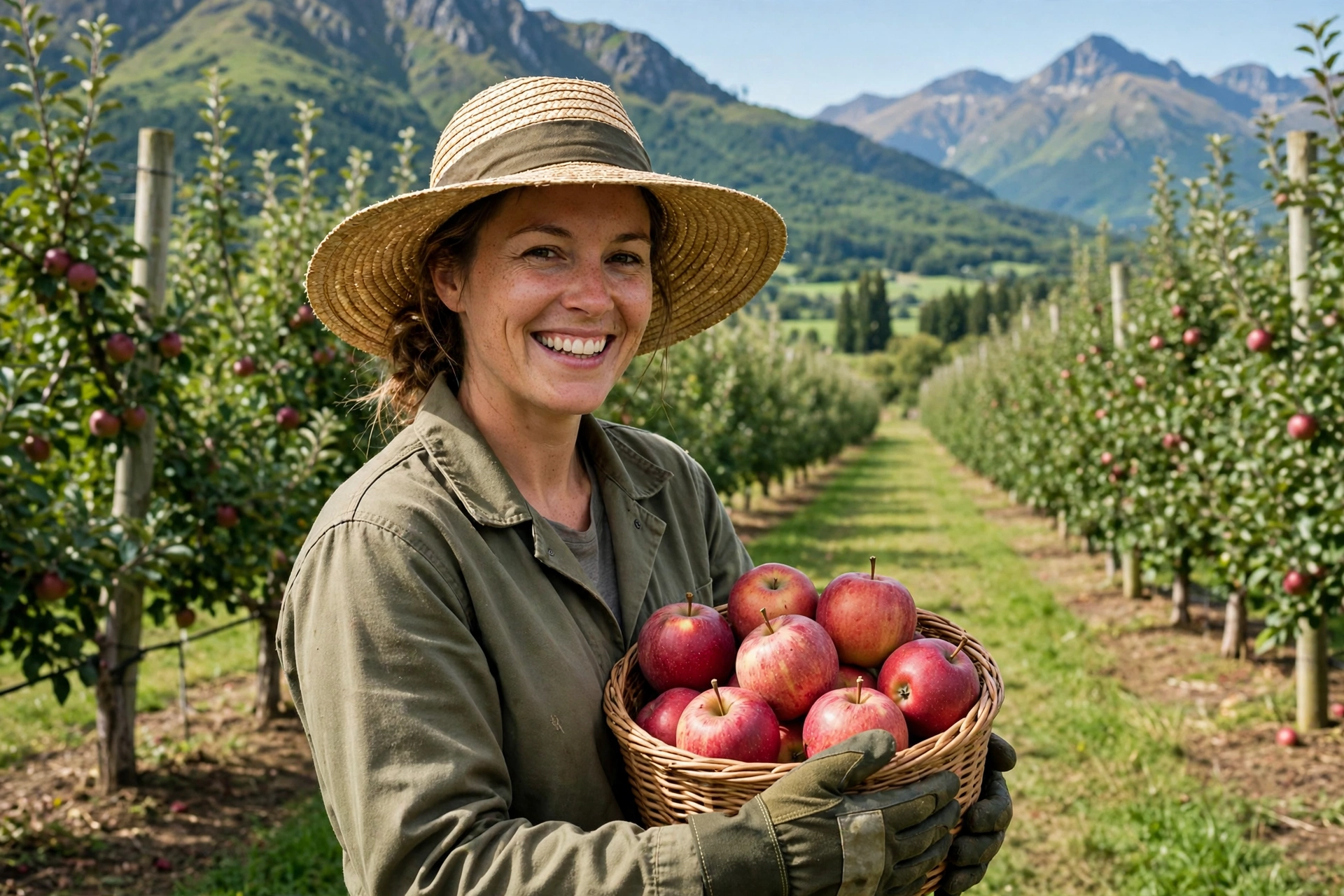
Seasonal workers in New Zealand handle a wide range of crops and equipment, and the work is more varied than many people expect. In the orchards you will handle kiwifruit, apples, pears, cherries, avocados and citrus, and each fruit has its own picking technique. Kiwifruit must be picked gently and placed, not dropped, into the picking bag. Cherries must be picked with the stem attached. Apples are picked by hand and placed carefully into bins to avoid bruising. A bruised fruit cannot be sold for export, so careful handling is part of the job, not an extra.
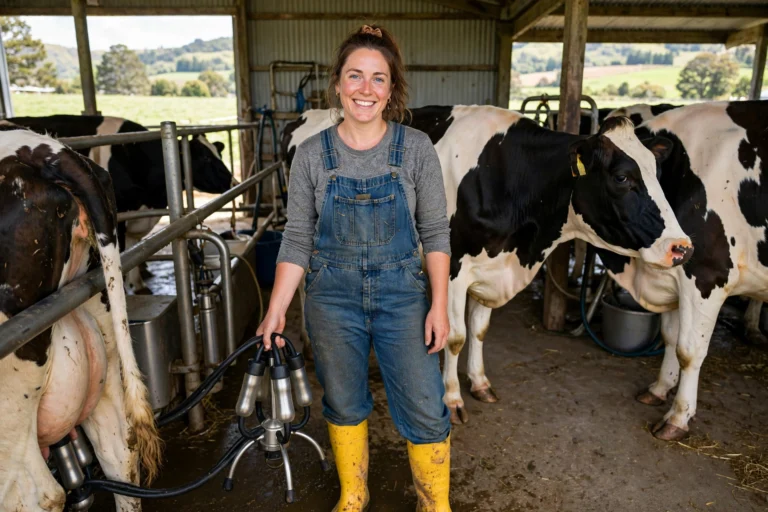
In the vineyards you will work with grapevines, pruning them in winter, tying canes in spring and picking grapes in autumn. In the packhouse you will work with grading machines, conveyor belts, packing tables and labelling equipment, and you will learn to spot fruit that is too small, too soft or damaged. Some workers drive tractors, forklifts or orchard vehicles, but only if they have the right licence and training. Safety gear is provided by the employer, including gloves, hats, sunscreen and, where needed, protective clothing. If you are asked to operate a machine you have not been trained on, say so. Safe work is a right, not a favour.
Pay and Benefits
Pay is one of the main reasons people choose seasonal work in New Zealand, and it is important to know what you can realistically expect. New Zealand has a national minimum wage, and in 2026 the adult minimum wage is set by the government each year. Most seasonal workers earn at or above the minimum wage, and many earn more, especially on piece rates during a good harvest. A fit and experienced picker can earn well above the minimum on piece rates, but a new worker should expect to start near the minimum and build up speed over the first few weeks.
Employers must pay you for every hour you work, and they must give you a written employment agreement before you start. Your pay slip should show your hours, your rate and any deductions, and deductions for accommodation, transport or food must be fair and agreed in writing. Your employer must also provide at least four weeks of paid annual leave a year on a pro rata basis, plus public holidays, and you are covered by New Zealand’s accident compensation scheme, ACC, if you are injured at work. Some employers provide transport to and from work, and some provide meals during the shift. Accommodation is often arranged by the employer, and the cost is usually deducted from your pay, so check the amount before you accept the job.
It is also important to understand what is not included. Flights to New Zealand are usually paid by the worker, although some employers help with travel costs. You will need to budget for food, phone, personal items and the cost of living in New Zealand, which is higher than in many Pacific Island countries. A worker who plans carefully can save a good amount over a season, but a worker who arrives without a budget can find the first weeks hard. Bring enough money to cover at least your first two weeks before your first pay arrives.
What Employers Ask For
Employers who hire seasonal workers in New Zealand are looking for people who are fit, reliable and willing to work outdoors in all weather. You do not need a degree or formal qualifications for most picking and packing jobs, but you do need to be physically able to stand, bend, lift and walk for long hours. Some jobs involve lifting bins that weigh up to 20 kilograms, and orchard work often means working on ladders or on uneven ground. If you have back, knee or other health problems, be honest about them before you accept a job.
Reliability matters more than experience. Employers want workers who turn up on time, work steadily through the day and stay for the whole season. Experience in farm work helps, but many employers are happy to train new workers who show the right attitude. Basic English is helpful, because you need to understand safety instructions and talk with your supervisor, but you do not need to be fluent. A positive attitude, a willingness to learn and respect for your team are the qualities that get workers invited back for the next season. Many employers keep a list of good workers and offer them a place first when the next season starts.
Documents You Will Need
Before you can work in New Zealand, you need a valid passport, a job offer from a recognised employer, and the right visa. Your passport should be valid for at least three months beyond the date you plan to leave New Zealand, and it is best to have six months or more. You will also need to pass a health check and provide a chest x-ray if you are staying for more than six months, and you may need to provide police certificates from your home country. Immigration New Zealand checks all of these before it grants a visa.
For the Recognised Seasonal Employer scheme, your employer must be an approved RSE employer, and you must be from an eligible Pacific country or be a worker the employer is allowed to recruit under the scheme. For the Supplementary Seasonal Employment work visa, you must already be in New Zealand on another visa, or be applying from outside with a job offer in horticulture or viticulture, and you must meet the health and character requirements. Keep copies of every document you submit, including your job offer, your employment agreement and your visa approval, and keep your passport safe at all times. No employer should ever keep your passport. If an employer asks to hold it, that is a warning sign.
Visa Sponsorship Explained Honestly
The word sponsorship is used a lot in seasonal work, and it causes confusion, so here is the honest picture. Under the Recognised Seasonal Employer scheme, an approved employer offers you a job and supports your visa application. That is what people usually mean by sponsorship. The employer must be approved by Immigration New Zealand, must offer you at least 30 hours of work a week, must pay at least the minimum wage, and must provide or arrange suitable accommodation. The employer also has to show that it tried to hire New Zealand workers first. This is a real and legal route, and it is the main way seasonal workers come to New Zealand.
But sponsorship is not a guarantee. An employer can offer you a job and still have your visa refused if you do not meet the health, character or other requirements. A job offer does not guarantee a visa, and a visa does not guarantee that you will be able to stay in New Zealand after the season ends. The RSE visa is temporary, usually for up to seven months in any eleven month period, and it does not lead directly to residence. Some workers do go on to other visas later, but that depends on their skills, their employer and the immigration rules at the time. Anyone who tells you that a seasonal job guarantees residence or a work permit for life is not telling the truth. Always check the current rules on the Immigration New Zealand website, and never pay a large fee to an agent who promises a guaranteed visa.
The Supplementary Seasonal Employment work visa is a different route. It is for people who are already in New Zealand on a visitor, student or work visa, and who want to take up seasonal work in horticulture or viticulture when there is a shortage of local workers. It can also be used by people outside New Zealand in some cases. The SSE visa is usually granted for up to six months, and it lets you work for any employer in the horticulture or viticulture industry. It is a flexible option, but it is also temporary, and it does not lead to residence on its own.
How to Apply
Applying for a seasonal worker job in New Zealand starts with finding a genuine employer. The best place to start is the official list of Recognised Seasonal Employers on the Immigration New Zealand website. You can also look at job boards like PickNZ, Work the Seasons and Backpacker Board, and at the websites of large orchard and vineyard companies in the Bay of Plenty, Hawke’s Bay, Nelson and Marlborough. If you are from a Pacific Island country, your government may have a liaison officer who helps with RSE recruitment, and that is often the safest route.
Once you have a job offer, read the employment agreement carefully before you sign it. Check the pay rate, the hours, the accommodation cost, the start and end dates, and what happens if the work ends early. Ask questions if anything is unclear, and keep a copy of the signed agreement. Then apply for your visa through Immigration New Zealand, either online or with help from a licensed immigration adviser. Do not use an unlicensed agent, and do not pay anyone who asks for a large fee just to find you a job. A genuine employer does not charge you for a job offer.
After your visa is approved, book your flights, arrange travel insurance and prepare for the season. Pack warm clothes for winter work and light clothes for summer, sturdy work shoes, sunscreen and a hat. Bring enough money for your first two weeks. When you arrive, your employer should meet you or arrange transport to your accommodation, and should give you an induction on your first day. If any of this does not happen, ask questions, and contact the Labour Inspectorate or your liaison officer if you need help.
How to Spot and Avoid Scams
Scams targeting seasonal workers are common, and they can cost you money, your visa and your safety. The most common scam is an agent who charges a large fee for a job that does not exist, or for a visa that is never lodged. Another common scam is a fake job offer sent by email or social media, asking you to pay for a work permit, a visa or a flight before you have even been interviewed. A genuine employer will never ask you to pay for a job offer, and Immigration New Zealand never asks for visa fees through social media or messaging apps.
Here are the warning signs to watch for. The recruiter asks for payment before you have a signed employment agreement. The job offer comes from a free email address and has no company name, address or phone number. The pay offered is far higher than the normal rate for the job. The recruiter pressures you to decide quickly or to pay in cash or by gift card. The recruiter asks to hold your passport. If you see any of these signs, stop and check. Contact Immigration New Zealand, your country’s liaison officer or a licensed immigration adviser before you pay anything. It is always better to lose a fake opportunity than to lose your savings.
Life and Working in New Zealand
Life as a seasonal worker in New Zealand is about more than work. You will live in a small town or rural area, often sharing a house with other workers, and you will be part of a community that includes local people, other Pacific workers and backpackers from around the world. The Bay of Plenty, Hawke’s Bay, Nelson and Marlborough are the main regions for seasonal work, and each has its own character. The Bay of Plenty is the centre of the kiwifruit industry. Hawke’s Bay is known for apples and wine. Marlborough is famous for its vineyards. Nelson has a mix of apples, kiwifruit and hops.
New Zealand is a safe and friendly country, but the cost of living is high, and the weather can change quickly. Winters are cool and wet, and summers are warm and sunny. You will need to budget for food, transport and phone credit, and you should open a New Zealand bank account soon after you arrive so your pay can be deposited safely. Many workers use their rest days to explore, visiting beaches, hot pools, markets and nearby towns. Churches and Pacific community groups are active in the main regions, and they can be a good source of support and friendship. If you feel homesick, talk to your team leader or your liaison officer. You are not alone, and help is available.
What People Ask Before Applying
How long can I stay in New Zealand on a seasonal worker visa?
Under the Recognised Seasonal Employer scheme, you can usually stay for up to seven months in any eleven month period. Workers from some countries, such as Tuvalu and Kiribati, may be able to stay for up to nine months because of the distance they travel. The Supplementary Seasonal Employment visa is usually granted for up to six months. Your visa will show your exact dates, and you must leave before it expires unless you have been granted another visa.
Do I need to speak English to work as a seasonal worker?
You do not need to be fluent in English, but basic English is very helpful. You need to understand safety instructions, talk with your supervisor and read signs in the orchard or packhouse. Many employers have team leaders who speak Pacific languages, and many workers learn more English during their season. If you can understand simple instructions and ask for help when you need it, you will manage well.
Can my family come with me?
Generally, no. The RSE visa does not allow you to bring your partner or children with you, and it does not allow them to work or study in New Zealand on your visa. This is one of the hardest parts of seasonal work, and it is important to plan for it. Many workers keep in touch with their families by phone and video calls, and send money home during the season.
Can seasonal work lead to residence in New Zealand?
Seasonal work on its own does not lead directly to residence. The RSE and SSE visas are temporary, and they are designed for a single season. Some workers do go on to other visas later, for example if they gain skills, find a different job offer or qualify under another category, but that is not guaranteed and it depends on the immigration rules at the time. Do not accept a seasonal job on the promise that it will lead to residence.
What happens if I get sick or injured at work?
If you are injured at work, you are covered by New Zealand’s accident compensation scheme, ACC, which pays for treatment and can help with lost earnings. Tell your supervisor straight away and see a doctor. If you get sick, you can visit a doctor, but you may have to pay, so travel insurance is a good idea. Your employer must provide a safe workplace, and you have the right to refuse work that you believe is unsafe.
Final Word
New Zealand Seasonal Worker Jobs with Visa Sponsorship 2026 offers a real chance to earn good pay, see a beautiful country and build skills that can help you for years to come, but only if you go through the proper channels and keep your expectations honest. The Recognised Seasonal Employer scheme and the Supplementary Seasonal Employment visa are genuine legal routes, and thousands of workers use them every year. Find a real employer, read your agreement, apply through Immigration New Zealand, and never pay for a job or a guaranteed visa. If you do those things, a season in New Zealand can be one of the best working experiences of your life, and a story you will tell for years after you come home.