New Zealand Factory Worker Jobs with Visa Sponsorship 2026
New Zealand may be best known for its farms, forests and scenery, but it also has a busy manufacturing and processing sector that turns raw materials into food, timber, dairy products, meat, beverages, building materials and everyday goods. Behind those products are factory workers who operate machines, pack goods, check quality, move materials and keep production lines running safely and efficiently. For international workers, New Zealand factory worker jobs with visa sponsorship in 2026 can offer a chance to work in a structured, team based environment, learn practical industrial skills and build experience in a country known for its fair workplace culture, provided the opportunity is understood honestly and approached with care.
Factory work is not one job. It covers many roles, from production line workers who assemble, sort and pack products, to machine operators who run equipment, to quality checkers who inspect goods, to warehouse staff who store and dispatch orders, to maintenance workers who keep machines running. Each role has its own rhythm, skills and safety rules, and each contributes to a finished product that customers will trust.
This guide is written for international workers who are considering factory work in New Zealand. It explains what the work involves, why factory workers are in demand, what employers usually expect, how to apply, and what visa sponsorship really means. It does not promise a job or a visa, because no guide can do that. Sponsorship depends on the employer and on the New Zealand Government, and every application is assessed on its own facts. What this guide offers is a clear, realistic picture so that you can prepare properly, avoid common mistakes and decide whether factory work in New Zealand is right for you.
If you are reliable, physically fit, comfortable with repetitive work, good at following procedures and willing to work shifts, factory work can be steady and rewarding. It can teach you machine skills, quality control, teamwork and workplace safety, and it can be a first step into life in New Zealand. The sections below will help you understand the work in detail.
What Factory Work Involves
Factory work in New Zealand covers many industries, and the exact duties depend on the factory, the product and your role. In food processing factories, workers prepare, cook, pack and label food products such as dairy, meat, seafood, fruit, vegetables, bakery goods and beverages. They follow strict hygiene rules, wear protective clothing and work in cool or cold environments in some cases, such as meat and dairy processing.
In timber and building materials factories, workers cut, shape, treat and pack timber, panels, doors and other products. They operate saws, presses and other machinery, stack materials and check quality. In packaging factories, workers operate machines that fill, seal, label and box products, and they check that packaging is correct and undamaged.
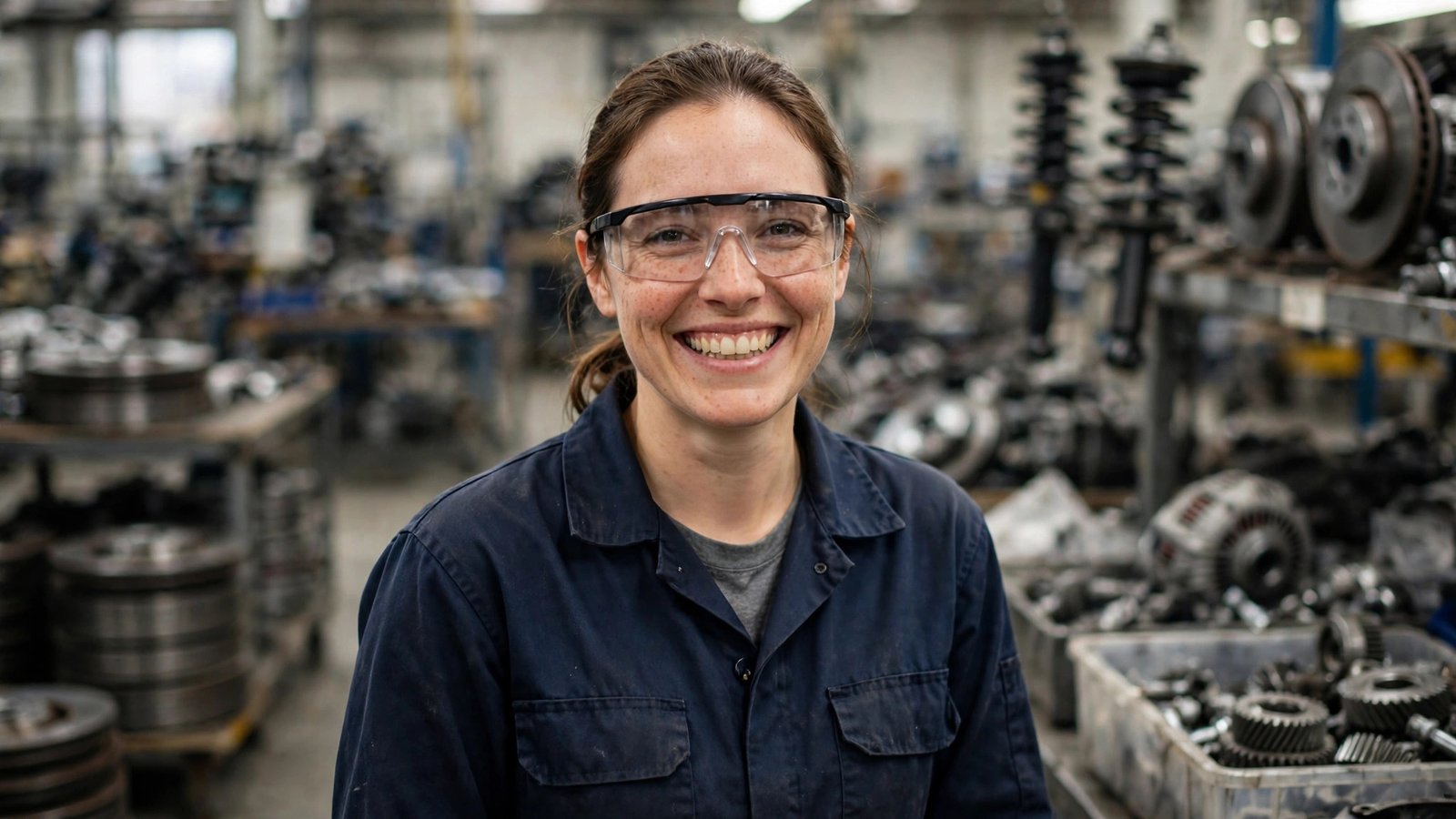
Production line workers are the largest group in many factories. They stand or sit at a production line, performing the same task repeatedly, such as assembling parts, sorting products, filling containers, sealing boxes or labelling goods. The work requires speed, accuracy and attention to detail. A small mistake on a production line can affect many products, so workers must stay focused and follow procedures.
Machine operators run and monitor machines that make, cut, mix, fill or pack products. They set up machines, load materials, adjust settings, watch for faults and report problems. They need training on the specific machines they operate, and they must follow safety rules for working around moving parts, heat, noise and chemicals.
Quality control workers inspect products, check measurements, test samples and record results. They look for defects, contamination or errors, and they report problems to supervisors. Warehouse and dispatch workers receive deliveries, store materials, pick orders, pack goods and load trucks for delivery. Forklift drivers move pallets and heavy goods around warehouses and factories, and they need a licence and training.
Other factory roles include cleaners, maintenance assistants, supervisors and team leaders. Cleaners keep production areas hygienic and safe. Maintenance workers repair machines, replace parts and carry out preventive checks. Supervisors coordinate teams, manage schedules and ensure that production targets and safety standards are met.
Shifts and the Working Week
Many Factory Workers in New Zealand work rotating shifts, including nights and weekends, because production and harvest schedules do not stop for the working week. A Factory Worker should expect a set weekly pattern, scheduled breaks, and overtime during busy periods. Ask the employer how shifts rotate and how overtime is paid before you accept, so the working week holds no surprises.
Duties, Hours and the Working Week
A typical factory shift depends on the factory and the production schedule. Many factories operate in shifts, including day, afternoon and night shifts, because production may run around the clock. Food processing factories may start very early in the morning, when fresh produce arrives. Other factories may run standard daytime hours on weekdays, with overtime during busy periods.
Daily duties are practical and structured. A production line worker may arrive, put on protective clothing, attend a short team briefing, take their place on the line and begin work. They may sort products, pack boxes, label goods or assemble parts for several hours, with scheduled breaks for rest, food and water. A machine operator may check the machine, load materials, monitor production, adjust settings and record output. A quality checker may inspect samples, measure products and complete checklists.
Factory workers spend much of their day on their feet, standing at a line, walking between workstations, lifting boxes and moving materials. Some roles involve sitting at a workstation for long periods, while others involve driving forklifts or operating machines. The work can be repetitive, noisy and physically tiring, especially during long shifts or when production targets are high. Ear protection, safety footwear, gloves and other protective equipment are often required.
Factory workers also need to communicate with supervisors and colleagues. They report machine faults, product defects, safety hazards and supply shortages. They follow instructions about production targets, quality standards and hygiene procedures. Good factory workers are observant and reliable. They notice when a machine sounds wrong, when a product looks defective or when a colleague needs help, and they act promptly.
Why Factory Workers Are in Demand in New Zealand
New Zealand’s manufacturing and processing sector is important to the economy, especially food and dairy processing, meat processing, timber and building materials. These industries need workers throughout the year, and demand increases during peak seasons, such as harvest, lambing, calving and export periods. When production increases, factories need extra staff to keep lines running and meet orders on time.
At the same time, many local workers prefer office jobs, service roles or work with more regular hours, leaving factories with vacancies, especially for shift work, night shifts, weekend work and physically demanding roles. Some factories are located in regional areas where the local workforce is small, such as dairy and meat processing plants in Waikato, Taranaki, Canterbury and Southland. International workers who are willing to work in regional areas and on shifts can help fill these gaps.
Food processing in particular faces regular labour shortages. Meat and dairy plants need workers who can handle cold environments, follow hygiene rules and work steadily on production lines. Fruit and vegetable packing factories need workers during harvest seasons. Timber factories need workers who can operate machinery and handle materials safely.
It is important to be honest here. Demand does not mean that every factory sponsors visas, and it does not mean that sponsorship is easy. Many factory jobs are filled locally, and sponsorship is available only in certain circumstances. It depends on the employer, the role, the location and the visa rules at the time. Sponsorship involves cost, paperwork and responsibility for the employer, so factories usually sponsor workers when they have a genuine need and when the candidate is reliable and suitable. Understanding this helps you focus on realistic opportunities.
The Paperwork: What Factory Worker Applicants Need
Requirements for factory jobs in New Zealand vary by employer and role, but there are common expectations. Most employers look for workers who are at least eighteen years old, physically fit, reliable, punctual and able to work shifts, including nights, weekends and public holidays. Previous factory, warehouse, production or manual work experience is helpful, but not always essential for entry level roles. Employers often provide training on machines, safety and hygiene.
Physical fitness is important. Factory work involves standing for long periods, lifting boxes, moving materials, bending and walking. Workers may lift heavy pallets, push trolleys or handle products in cold rooms. The work can be tiring, especially during long shifts. Building fitness before you travel and following safe lifting techniques can help.
English language ability matters, although the level required varies. Workers need to understand safety instructions, follow procedures, read labels and communicate with supervisors and colleagues. In food processing, understanding hygiene instructions is essential. Basic English is often enough to start, but stronger English helps with safety, training and progression. Improving your English before you apply will help you in interviews and at work.
Employers may ask for a curriculum vitae, references from previous employers, proof of identity and evidence of previous work. For forklift driving, employers will ask for a forklift licence or evidence of training. For machine operation, employers may ask for experience or training certificates. For food processing, employers may ask for health checks or proof of vaccinations in some cases. Some employers ask for a police clearance or character document.
For visa purposes, you will generally need a valid passport and supporting documents. Immigration New Zealand may ask for health checks, proof of a job offer from the factory, evidence of qualifications or other supporting papers depending on the visa type. Requirements change over time, so always check the current official guidance rather than trusting old information. Keep your documents organised, translated where needed, and ready to share when asked.
Visa Sponsorship in New Zealand: The Honest Version
Visa sponsorship is often misunderstood, so it is worth explaining it in plain words for factory workers. Sponsorship means a New Zealand factory or manufacturer supports a visa application for a worker from overseas, often through the Accredited Employer Work Visa. It does not mean the visa is granted automatically, and it does not mean the employer controls the decision. The New Zealand Government decides in the end, based on the visa rules, whether the employer is eligible and the applicant’s own circumstances.
Not every factory can sponsor workers. An employer must meet certain requirements, and the role must fit the visa rules that apply at the time. In New Zealand, employers who want to sponsor workers generally need to be accredited, and they must show that they have tried to recruit locally in some cases. The right visa depends on the role, the location, the employer’s status and the worker’s background. Because rules change, information that was correct last year may not be correct now. Always check the current official information before you act.
Sponsorship also brings duties for both sides on the factory floor. The New Zealand employer may need to show the role is genuine, the worker will be paid fairly and the plant meets New Zealand safety standards. The worker has to meet health, character and other requirements, and must follow the conditions of any visa that is granted. A visa can limit the type of work, the employer, the location or the length of stay. Breaking those conditions can cause serious problems, so it is essential to understand them before you travel.
Costs are another point where honesty matters. In a New Zealand factory job, some costs may be paid by the employer and others may be yours, and the split depends on the visa type, the company’s policy and the agreement you reach. Never assume everything is covered, and never pay a large sum to a middleman who promises a guaranteed visa. If you are asked to pay fees, ask for a written breakdown, a receipt and a clear explanation of what each fee is for. If you are unsure, seek independent advice.
It is also worth knowing that sponsorship does not guarantee permanent residence in New Zealand. Some sponsored visas for factory workers are temporary, and any route to a longer stay or residence may depend on later applications, further years of work, changing rules and government decisions. Do not plan your whole future on the idea that a temporary visa will become permanent by itself. Focus first on doing the job well, following your visa conditions and keeping your records in order.
The Application Process for Factory Worker Jobs in New Zealand
The first step is to decide what type of factory work suits you. Think about your experience, your fitness, your tolerance for shift work and cold environments, and whether you prefer food processing, timber, packaging or general production. A person who enjoys steady, repetitive work may prefer a production line. A person with machine experience may prefer machine operation. A person with a forklift licence may prefer warehouse work. Choosing the right role increases your chances and your job satisfaction.
The second step is to prepare a clear curriculum vitae. List your work history, including any factory, warehouse, production, construction or manual work. Mention specific tasks you have done, such as operating machines, packing products, driving forklifts, checking quality or working on a production line. Include your contact details, education, language skills and references. Keep the CV honest and concise. Do not exaggerate your experience, because employers will notice quickly.
The third step is to search for genuine job openings. Look for factories, food processing companies, manufacturers and recruitment agencies that are known and verifiable. Check the employer’s own careers page, reputable job boards and official employment services. Read each advertisement carefully. A genuine listing will name the employer, describe the role, list the location and explain how to apply. Be cautious of listings that ask for large upfront payments, promise guaranteed visas or refuse to share basic details about the employer.
The fourth step is to apply for factory roles that fit your profile. Shape each application around the specific job instead of sending the same message to every employer. Mention the experience that matters, which shifts you can work and your language skills. If the listing asks for certain documents, include them. Follow the instructions exactly, including the way to apply and any closing date.
The fifth step is to prepare for interviews. Many overseas interviews are held by video call. Test your internet connection, camera and microphone beforehand. Choose a quiet place with good lighting. Dress neatly. Be ready to talk about your experience, your reasons for wanting to work in New Zealand, your availability for shifts and your understanding of factory work. Employers may ask how you would handle a busy production day, a machine fault or a quality problem. Answer honestly, with examples where possible. If factory worker jobs in New Zealand are not the right fit, farm worker jobs in New Zealand follow a similar sponsorship route.
The sixth step, if you are offered a role, is to discuss sponsorship carefully. Ask the employer to explain the visa process, the timeline, who pays which costs and what your responsibilities will be. Get important details in writing. Do not resign from a current job, pay large fees or make travel plans until you understand the offer and the visa requirements. If anything is unclear, seek advice from a licensed adviser or the official New Zealand Government website.
Daily Life in New Zealand for Factory Workers
Life in New Zealand can be enjoyable and relaxed, but it is different from life in many other countries. Cities such as Auckland, Wellington, Christchurch and Hamilton are modern and multicultural, with parks, beaches, cafes and diverse food. Smaller towns are often quieter, with a strong sense of community and easy access to nature. The climate is mild, with warm summers and cool winters, although weather can change quickly and rain is common.
New Zealand workplace culture is generally friendly, informal and respectful. Supervisors are often addressed by their first names, and teamwork is valued. Punctuality is important. Arriving on time, informing your supervisor early if you are unwell, and following safety procedures are basic expectations. Factories have strict rules about hygiene, safety and quality, and staff are expected to follow them carefully.
Accommodation is a practical issue for overseas workers. Rental costs vary greatly by city. Auckland is generally more expensive than smaller cities and towns. Some employers help workers find accommodation, especially in regional areas where factories are located, while others expect workers to find their own housing. Before you accept a job, ask whether accommodation is provided or assisted, what it costs and how far it is from the factory. Do not assume housing is included unless it is stated clearly in writing.
Transport in New Zealand varies by city. Auckland and Wellington have buses, trains and ferries, while smaller towns rely more on cars and buses. Many factory workers use public transport, share rides with colleagues or buy a car after they settle in. If you will work night shifts, check how you will travel to and from work safely.
Food, healthcare and daily life also take some getting used to. New Zealand has supermarkets, markets and restaurants selling food from many cultures, so most factory workers can find familiar ingredients. Healthcare is of a high standard, but overseas workers should understand their health cover before they travel. Some visas call for health insurance, and the employer or the worker may be the one to arrange it. Ask about this early, and keep copies of any insurance documents.
Social life in New Zealand is often centred on outdoor activities, sport, beaches, parks and shared meals. Many factory workers make friends with colleagues from different countries, which can make the experience richer. At the same time, homesickness is normal, especially in the first months. Staying in touch with family, joining community groups and building a routine can help.
Avoid These Mistakes
One common mistake is applying for every factory job without checking whether the employer sponsors visas. This wastes time and leads to disappointment. Focus on employers and roles where sponsorship is genuinely possible, and read each listing carefully before you apply.
Another mistake is exaggerating experience or machine skills on a CV. Employers notice quickly on a production line when a worker cannot perform the tasks they claimed to know. It is better to be honest about your level and show willingness to learn than to start a job under false expectations.
A third error is paying large fees to middlemen who promise guaranteed factory jobs or visas in New Zealand. No one can guarantee a visa decision. Be careful of anyone who asks for money before you have a written job offer, who will not give receipts, or who pushes you to decide in a hurry. Take the time to verify the employer and seek independent advice.
A fourth error is ignoring your visa conditions. Some factory workers take a sponsored job in New Zealand and then change employers, take extra jobs or move to another city without checking whether their visa allows it. That can put the visa at risk. Always read your conditions carefully and ask for advice before making a change.
A fifth error is landing in New Zealand without a financial cushion. Rent, food and transport in Auckland and other cities can eat through savings fast, and a factory worker who arrives with nothing put aside may struggle until the first pay lands. Work out a budget before you fly, learn your pay schedule and keep an emergency fund if you can.
A sixth mistake is neglecting health and safety. Factory work involves machinery, noise, lifting, cold rooms and long hours on foot. Follow safety training, wear protective equipment where required, use machines correctly and report hazards to your supervisor. Looking after your health is part of doing the job well.
Your Questions About Factory Worker Jobs in New Zealand, Answered
Do New Zealand factories sponsor overseas factory workers?
Some do, but not all. Sponsorship depends on the factory, the role, the location and the visa rules at the time. Factories usually sponsor when they have a genuine need and when the candidate meets the requirements. Always check the specific employer’s policy rather than assuming sponsorship is available.
Do I need previous factory experience to apply?
Previous experience helps, especially for machine operation and forklift driving, but entry level production roles may accept workers without prior factory experience. Employers often provide training on machines, safety and hygiene. Reliability, fitness and willingness to learn are often just as important.
How good does my English need to be?
You need enough English to understand safety instructions, follow procedures, read labels and communicate with supervisors and colleagues. Basic English is often enough to start, but stronger English helps with safety, training and progression. Improving your English before you apply will help you.
Can I bring my family with me?
Family arrangements for New Zealand factory workers depend on the visa type and your circumstances. Some visas allow family members to join the worker, while others have different rules. Check the official visa information for the specific visa that applies to your situation.
How long does the sponsorship process take?
The time it takes varies widely for New Zealand factory roles. It depends on the employer, the visa type, whether your documents are complete and government processing times. No employer or agent can give an exact timeline, and delays are possible. Plan patiently and keep in regular contact with the employer.
Will I be paid fairly in New Zealand?
New Zealand has workplace laws that set minimum pay and conditions for factory workers. Employers must follow those laws, and workers have rights. Make sure you understand your pay, hours, overtime rules and entitlements before you start work. If you are unsure, check official workplace information.
What if my visa application is refused?
A refusal does not necessarily close the door forever, but it does mean that this factory application did not meet the requirements when it was lodged. The reasons should be set out in the decision letter. Get advice before reapplying, and do not pay for a new application without first understanding what went wrong.
Summing Up: Your Next Steps
New Zealand factory worker jobs with visa sponsorship in 2026 offer a practical opportunity for international workers who are reliable, physically fit and willing to work shifts in a structured production environment. Factories across the country, especially in food processing, dairy, meat, timber and packaging, need workers who can operate machines, pack products, check quality and keep production lines running safely. Overseas workers can play an important role in meeting that need, while learning industrial skills and building experience in New Zealand.
Success does not come from shortcuts. It comes from choosing the right type of factory work, preparing an honest application, improving your English, understanding the visa process and treating safety and quality as priorities every day. It also comes from understanding that sponsorship is never guaranteed, that the New Zealand Government makes the final decision, and that your own conduct, documents and preparation matter.
If you take the time to research, prepare and apply carefully, you will give yourself the best possible chance. Start with a clear CV, focus on genuine employers, prepare for interviews, and ask questions when something is unclear. Factory work in New Zealand can be the start of a valuable professional experience and a meaningful chapter in your working life, provided you approach it with realistic expectations and a willingness to work hard.