Top 17 Weakest Animals in the World (With Images)
Weakest Animals in the World may just surprise you with their incredible adaptations. While we often think of strength in terms of survival, these creatures showcase a different kind of resilience through their unique life strategies. In this article, we’ll delve into the fascinating world of the most susceptible animals, examining why their frailty is crucial for ecological balance. By the end, you’ll understand not only their struggles but also the significance of protecting these vulnerable species.
List of Weakest Animals in the World
Here is the list of weakest animals in the world
- Starfish
- Rabbit
- Sea Cucumber
- Star-nosed Moles
- Sloths
- Hedgehogs
- Goats
- Earthworm
- Jellyfish
- Frog
- Domesticated Chickens
- Opossums
- Tarsiers
- Axolotl
- Snails
- Koalas
- Manatee
Starfish
Scientific Name: Asterias rubens
Class: Asteroidea
Diet: Carnivore
Starfish, often seen as fragile creatures clinging to the ocean floor, possess a unique resilience that challenges their reputation as the “weakest” animals in the world. While they lack the mobility and aggressive defense mechanisms of many marine species, their survival strategies are remarkably sophisticated. With the ability to regenerate lost limbs, starfish not only recover from injury but also demonstrate a fascinating form of biological resilience. Each arm is equipped with sensory cells that can detect the smallest changes in their environment, allowing them to adapt and thrive in diverse habitats.
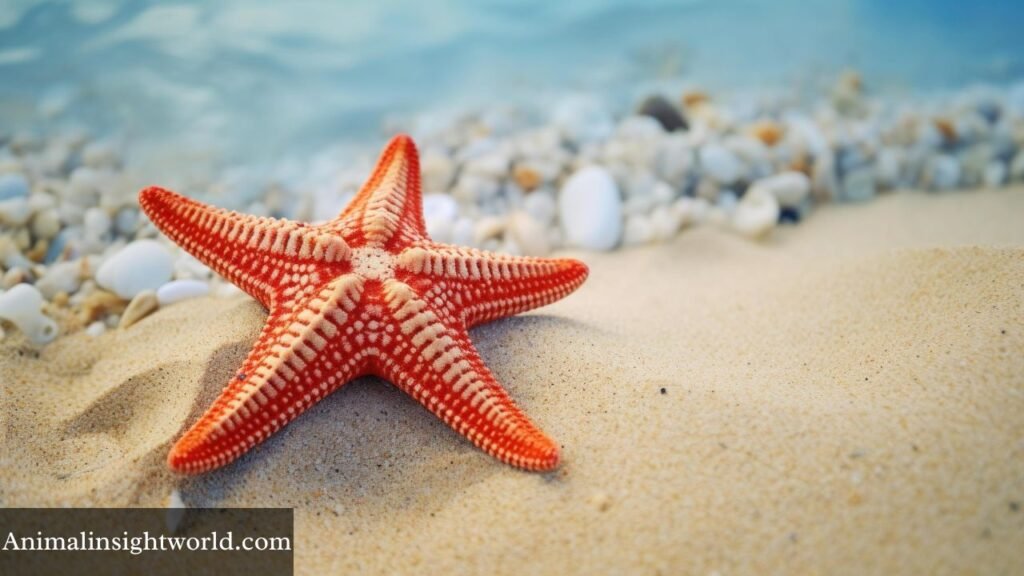
Moreover, starfish exhibit an intricate relationship with their ecosystems. They play a crucial role in maintaining the balance of underwater life by keeping populations of bivalves in check, showcasing the importance of even the seemingly weakest organisms in the intricate tapestry of marine biodiversity. Their remarkable ability to endure in harsh conditions, coupled with their ecological significance, invites a reevaluation of strength itself. Rather than measuring power through ferocity, starfish epitomize a quieter, yet profound, endurance that highlights the complexity of life beneath the waves.
Rabbit
Scientific Name: Oryctolagus cuniculus
Class: Mammalia
Diet: Herbivore
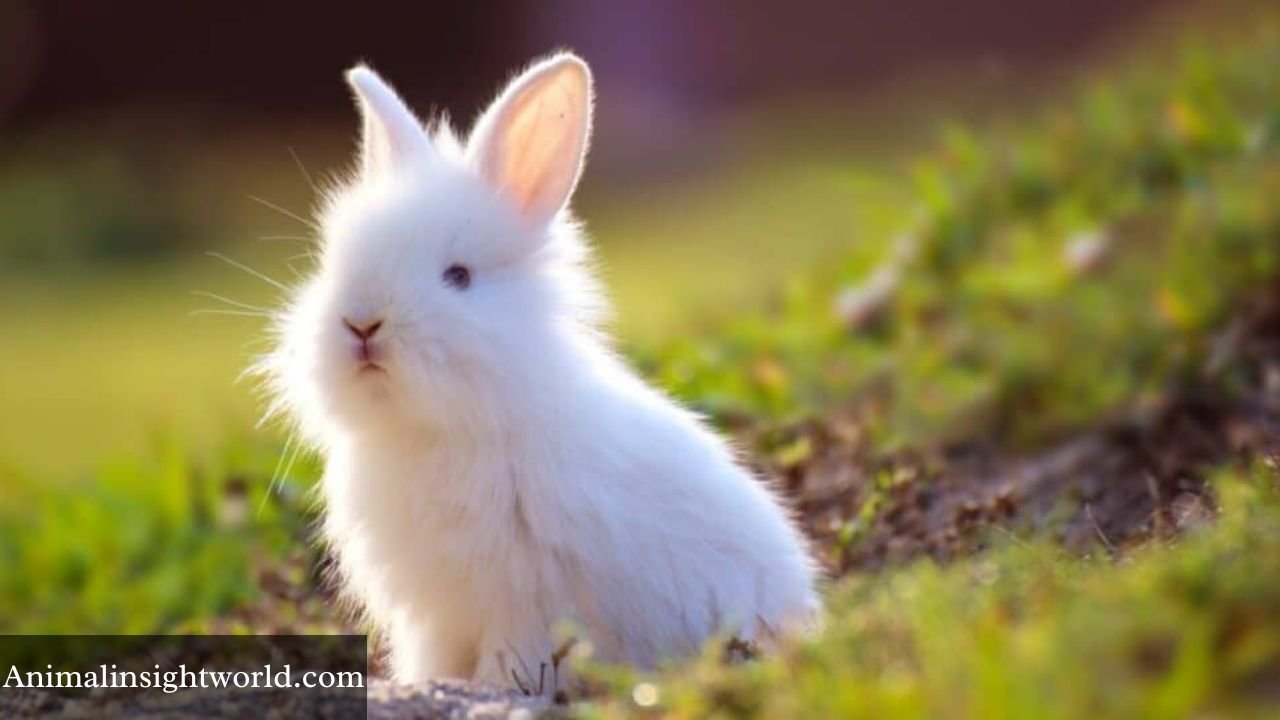
Rabbits are often seen as symbols of vulnerability, and for good reason. Despite their gentle demeanor and fluffy exterior, these creatures possess an intricate survival strategy. With keen senses and exceptional speed, they may appear weak, but their agility allows them to evade predators in the wild. This paradox raises intriguing questions about strength and resilience — can a creature so seemingly weak be considered strong by virtue of its survival instincts?
Interestingly, rabbits also showcase a fascinating adaptability to their environment. Their ability to reproduce prolifically can be seen as a survival mechanism, compensating for their high mortality rates in the wild. Rather than relying on brute strength, rabbits exemplify a different type of power: the power of community. Living in groups, they communicate through body language and vocalizations, creating social structures that enhance their safety. This social dynamic challenges our perception of weakness, illustrating that true strength may often lie not in individual bravado but in the bonds we forge and the strategies we employ.
Sea Cucumber
Scientific Name: Holothuroidea
Class: Holothuroidea
Diet: Omnivore
The sea cucumber, often overlooked in the marine ecosystem, embodies an intriguing paradox of apparent frailty and vital resilience. Despite its name suggesting a vegetable-like simplicity, this echinoderm plays an essential role in the underwater world. Its soft-bodied, gelatinous form makes it an easy target for predators, yet it demonstrates remarkable survival strategies, not least by expelling internal organs to distract threats — a dramatic way to ensure its own survival.
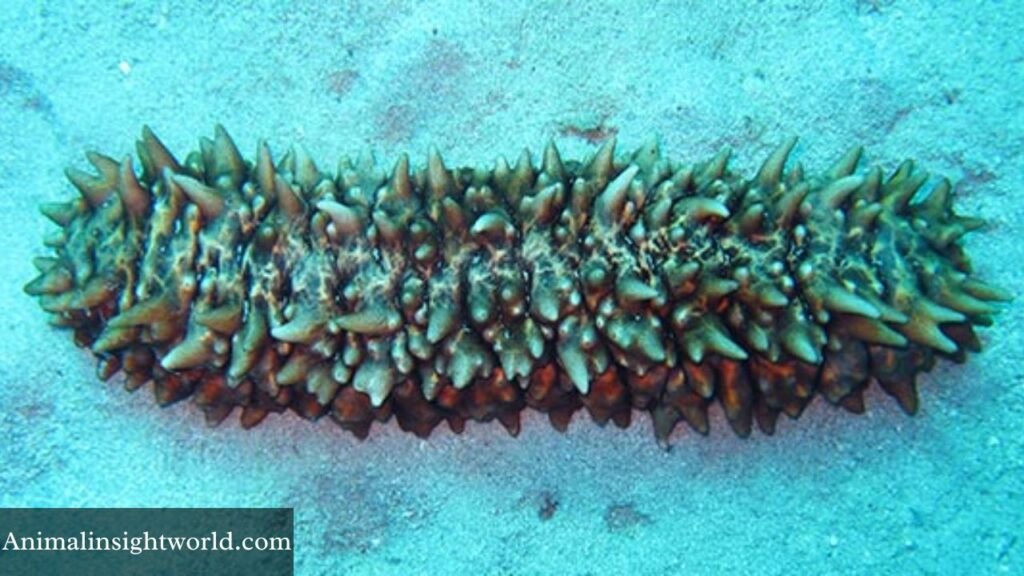
Beyond its defensive tactics, the sea cucumber is a silent but crucial player in oceanic health. By feeding on organic matter on the ocean floor, it helps recycle nutrients and aerate sediments, contributing to the overall balance of marine ecosystems. As environmental concerns grow, recognizing the sea cucumber’s role could shed light on broader ecological dynamics, urging conservation efforts that highlight the importance of even the “weakest” creatures in maintaining the health of our oceans. In essence, the seemingly vulnerable sea cucumber challenges our perceptions of strength and resilience in the natural world.
Readmore: Explore Top 15 Animals that Live in Bamboo Forests.
Star-nosed Moles
Scientific Name: Condylura cristata
Class: Mammalia
Diet: Carnivore
The star-nosed mole might be small, but it possesses a unique charm that belies its status as one of the weakest animals in the world. This semi-aquatic creature is equipped with the most sensitive touch receptors found in any mammal, allowing it to navigate its dark, damp environment with surprising agility. While it may not be built for strength, its remarkable star-shaped nose, adorned with 22 pink, fleshy appendages, gives it an edge in foraging, enabling it to detect prey with extraordinary accuracy in the mud.
Despite their vulnerability, star-nosed moles offer compelling lessons in adaptability. These creatures thrive in environments where many others would struggle, showcasing an incredible ability to survive with minimal resources. Instead of relying on sheer power, they embody a softer strength — one that emphasizes sensory perception over brute force. This delicate balance invites us to reconsider our notions of “strength” in the animal kingdom, celebrating those like the star-nosed mole who flourish not by dominating their environment, but by deftly navigating it with finesse.
Sloths
Scientific Name: Folivora
Class: Mammalia
Diet: Herbivore
Sloths, often celebrated for their languid lifestyle and adorable looks, rank among the weakest animals in the world, but their perceived frailty tells a deeper story. Adapted to a high-canopy life in the rainforests of Central and South America, sloths have evolved to move slowly and conserve energy, feeding primarily on leaves, which provide minimal nutrients. This low-energy diet means their muscles are underdeveloped compared to other more active mammals, resulting in a physical form that appears vulnerable.
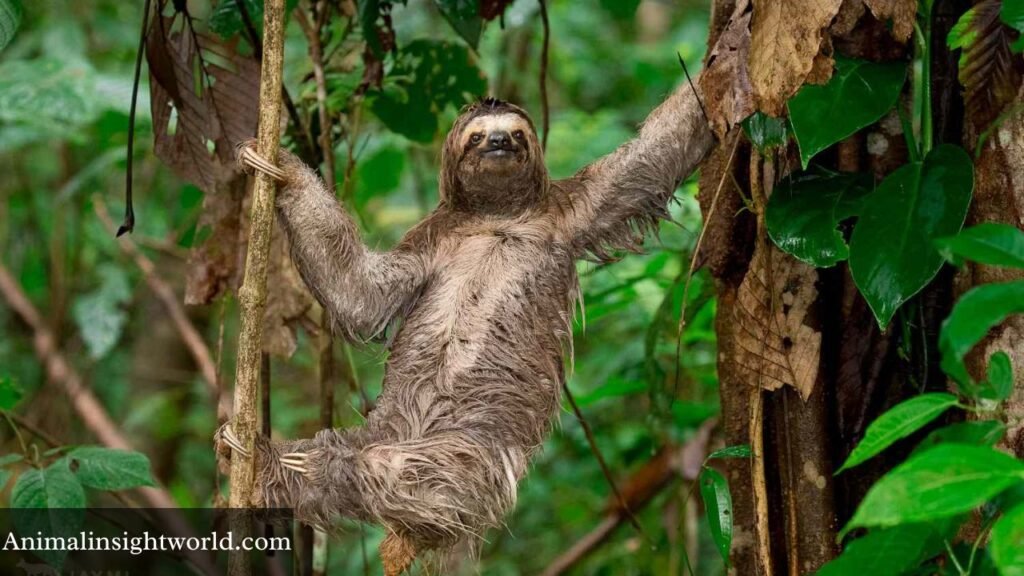
However, this apparent weakness serves a purpose. Their slow movements and unique camouflage help them evade predators like jaguars and eagles, showcasing an insightful survival strategy. Sloths may not possess the speed or strength of many other creatures, but their relaxed pace allows them to thrive in an environment that demands patience and adaptability. In a world that often equates power with survival, sloths remind us that strength can be about stealth, strategy, and finding a niche that works perfectly, even when it defies conventional notions of what makes an animal “strong.”
Hedgehogs
Scientific Name: Erinaceinae
Class: Mammalia
Diet: Omnivore
Hedgehogs, often labeled as one of the weakest animals in the world, possess an unexpected resilience that captivates many. Despite their small size and quilled exterior, these nocturnal creatures have evolved impressive survival strategies. Their primary defense mechanism, curling into a spiky ball, may appear passive, but it has proven effective against many predators. What they lack in brute strength, they more than make up for in clever adaptations and an unyielding spirit.
Moreover, hedgehogs’ diets reveal another layer of their strength in vulnerability. As insectivores, they consume a variety of pests, thus playing a critical role in maintaining the ecological balance in their habitats. This dietary choice not only reflects their adaptability but also highlights the significance of seemingly weak creatures in nature’s grand scheme. In a world that often prizes strength over subtlety, hedgehogs remind us that survival can come in many forms, where intelligence and resourcefulness prevail despite physical limitations.
You can also read: Explore Top 11 Animals That Live in Bogs.
Goats
Scientific Name: Capra hircus
Class: Mammalia
Diet: Herbivore
Goats are often perceived as sturdy and resilient creatures, yet their vulnerability reveals a complex tapestry of survival. Despite their strong social structures and adaptability, goats have a few surprising weaknesses that challenge their toughness. For instance, their curious nature can lead them into precarious situations; they are known for nibbling on anything in sight, which can include toxic plants. This innate curiosity is a double-edged sword, showcasing their playful spirit while exposing them to potential dangers.
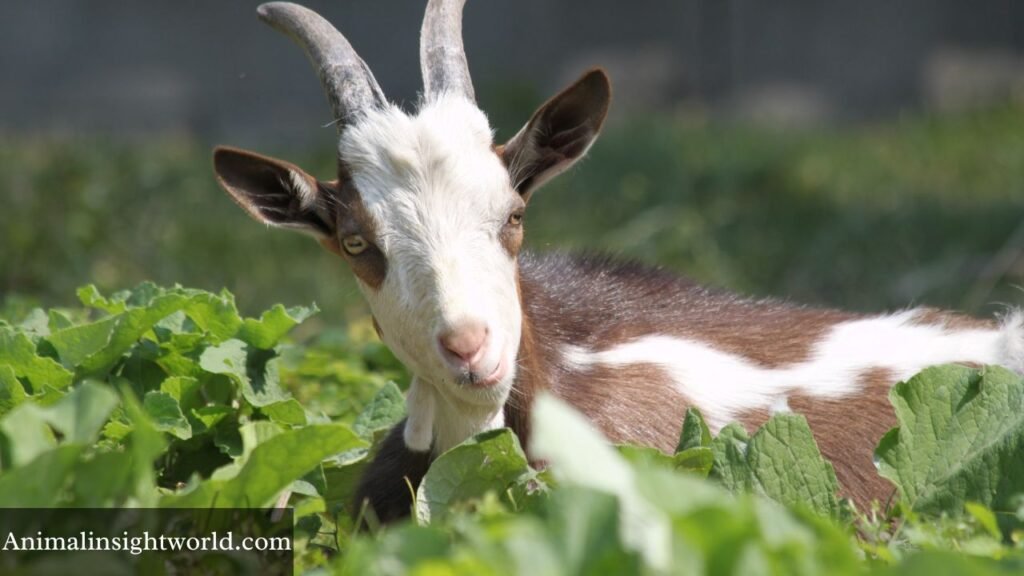
Moreover, goats can be surprisingly sensitive to stress and changes in their environment. They thrive in stable conditions, and any disruptions — whether it’s a sudden noise or a shift in herd dynamics — can impact their health significantly. This fragility underlines a vital lesson about the interconnectedness of well-being and environment, making us reconsider common assumptions about strength and resilience in the animal kingdom. By exploring these aspects, we see that even the seemingly weakest among us have complexities that offer a deeper understanding of survival and adaptation.
Earthworm
Scientific Name: Lumbricina
Class: Clitellata
Diet: Omnivore
Earthworms often dwell in the shadows of the animal kingdom, overlooked and underestimated. However, this humble creature plays a crucial role in maintaining soil health and ecosystem balance. By burrowing through the earth, they aerate the soil, allowing water and nutrients to reach plant roots more effectively. Their existence is a testament to the concept that strength doesn’t always come from size or ferocity.
Yet, despite their invaluable contributions, earthworms are incredibly vulnerable. Lacking eyes and a robust defense mechanism, they rely on their moist environments to survive. Such dependence makes them susceptible to habitat changes, pesticide exposure, and climate fluctuations. This fragility prompts a deeper reflection on the interconnectedness of life — showing how even the weakest among us can wield substantial influence in keeping our world thriving.
Jellyfish
Scientific Name: Medusozoa
Class: Scyphozoa
Diet: Carnivore
Jellyfish, often perceived as the epitome of fragility, intriguingly thrive in the world’s oceans despite their delicate nature. Lacking bones, hearts, and even a centralized brain, these gelatinous creatures float serenely, their translucent bodies pulsating with ethereal beauty. What they lack in strength, they compensate for with an ancient survival strategy honed over millions of years. With a simple yet effective method of propulsion, they drift effortlessly through the water, capturing unsuspecting prey with their stinging tentacles that pack a venomous punch.
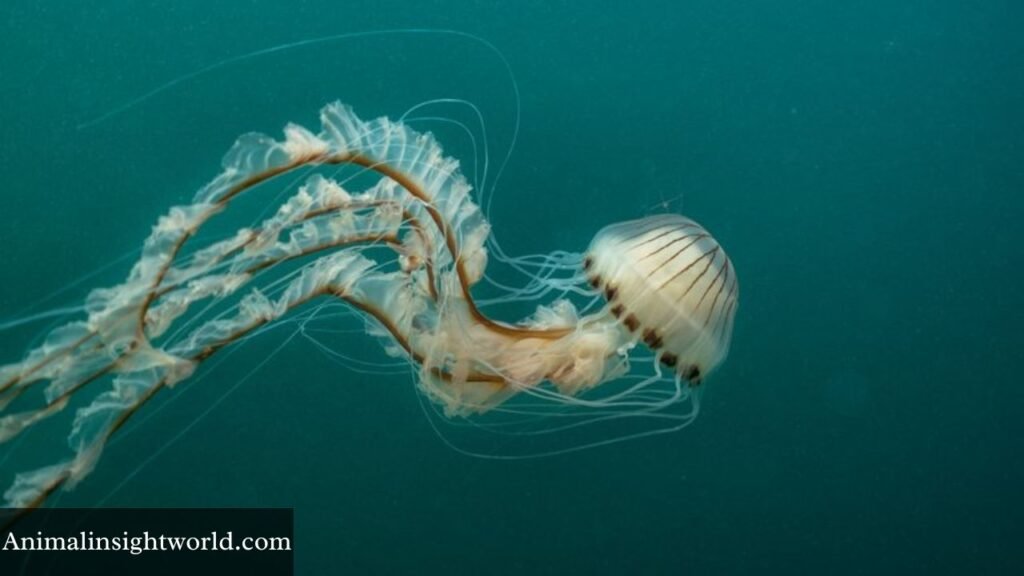
Beyond their physicality, jellyfish embody resilience in an ever-changing ecosystem. They adapt to fluctuations in temperature and salinity, thriving in environments that many stronger species cannot tolerate. As ocean temperatures rise and habitats shift, these enigmatic creatures often become indicators of marine health, reflecting broader environmental changes. Their presence can signal both decline and resurgence in oceanic ecosystems, offering a complex narrative about life beneath the waves that challenges conventional notions of strength and survival.
Also read: Explore Top 19 Most Clumsy Animals in the World.
Frog
Scientific Name: Anura
Class: Amphibia
Diet: Carnivore
Frogs, often perceived as delicate and timid creatures, offer a fascinating window into the symbiotic relationship between strength and vulnerability in nature. These amphibians are not just survivors; they possess unique adaptations that reveal their resilience in the face of adversity. For instance, some species can tolerate extreme environments, from arid deserts to rain-drenched jungles, showcasing their remarkable ability to thrive despite their diminutive size. Their skin, often bright and striking, serves both as a warning to predators and a mechanism for absorbing moisture, blurring the lines between caution and survival.
Moreover, the life cycle of a frog presents an intriguing perspective on transformation and impending fragility. Starting as eggs laid in water, they undergo metamorphosis — an exquisite dance from tadpole to adult. This transformation illustrates the delicate balance of existence, as many frogs start life in an aquatic environment, only to face threats from pollutants, habitat loss, and climate change. Their vulnerability speaks volumes about the interconnectedness of ecosystems, highlighting how the fragility of one species can echo throughout an entire habitat. Therefore, while frogs might seem weak, they embody a complex narrative of resilience that invites us to reconsider our perceptions of strength.
Domesticated Chickens
Scientific Name: Gallus gallus domesticus
Class: Aves
Diet: Omnivore
Domesticated chickens, often seen clucking away in backyards and farms, embody a paradox of vulnerability and versatility. While their small stature and timid nature may lead many to label them as the weakest animals, these birds are surprisingly resilient in other ways. Their adaptability to different environments showcases a unique strength, allowing them to thrive in diverse climates and settings — an impressive feat considering their domesticated status. Each hen carries the rich history of selective breeding, which has amplified desirable traits while simultaneously sidestepping natural defenses.
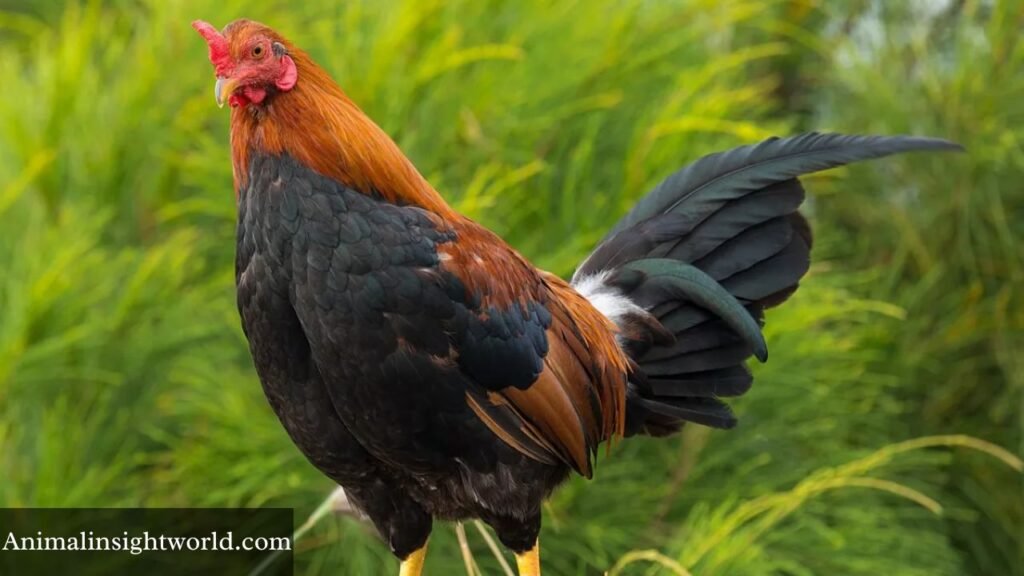
Moreover, the complexity of their social structures adds depth to their seemingly simple existence. Chickens communicate through a range of vocalizations, establishing hierarchies that mirror the dynamics of more formidable creatures. This social aspect showcases their intelligence and emotional depth, often overlooked in discussions about animal strength. In the larger ecosystem, even the most “weak” animals serve vital roles, with chickens contributing to pest control and enriching soil through their foraging behaviors. Thus, while domesticated chickens may be physically weak, their resilience, social dynamics, and ecological contributions reveal a different kind of strength that deserves recognition.
Opossums
Scientific Name: Didelphimorphia
Class: Mammalia
Diet: Omnivore
Opossums, often deemed the underdogs of the animal kingdom, possess an unexpected resilience that belies their perceived weakness. While they may lack the physical prowess of other wildlife, these marsupials have adapted to thrive in challenging environments. When faced with threats, their most remarkable defense mechanism is playing dead — a fascinating tactic that can trick predators into losing interest. This faux demise showcases an extraordinary survival instinct, allowing them to continue their march through life while evading danger.
Moreover, opossums are crucial players in their ecosystems. They serve as nature’s cleanup crew, efficiently consuming ticks, rodents, and various pests that threaten local biodiversity. With their unique digestive systems, opossums can even eat venomous snakes without harm, turning what might be perceived as a weakness into an extraordinary ability to balance their habitat. Their gentle demeanor and beneficial roles challenge the notion of weakness, revealing a complex tapestry of strength hidden beneath their unassuming exterior.
Readmore: Explore Top 15 Animals That Look Like Deer.
Tarsiers
Scientific Name: Tarsiidae
Class: Mammalia
Diet: Carnivore
Tarsiers are often overlooked when discussing the weakest animals in the world, yet their unique features tell a tale of fragile resilience. These small primates, native to Southeast Asia, measure only about 4 to 6 inches in height, sporting enormous eyes that are almost as large as their brains. This fascinating adaptation allows them to navigate their nocturnal world with exceptional precision, yet it also highlights their vulnerability — their size and specialized diet make them targets for a variety of predators, emphasizing their fragile position within the ecosystem.
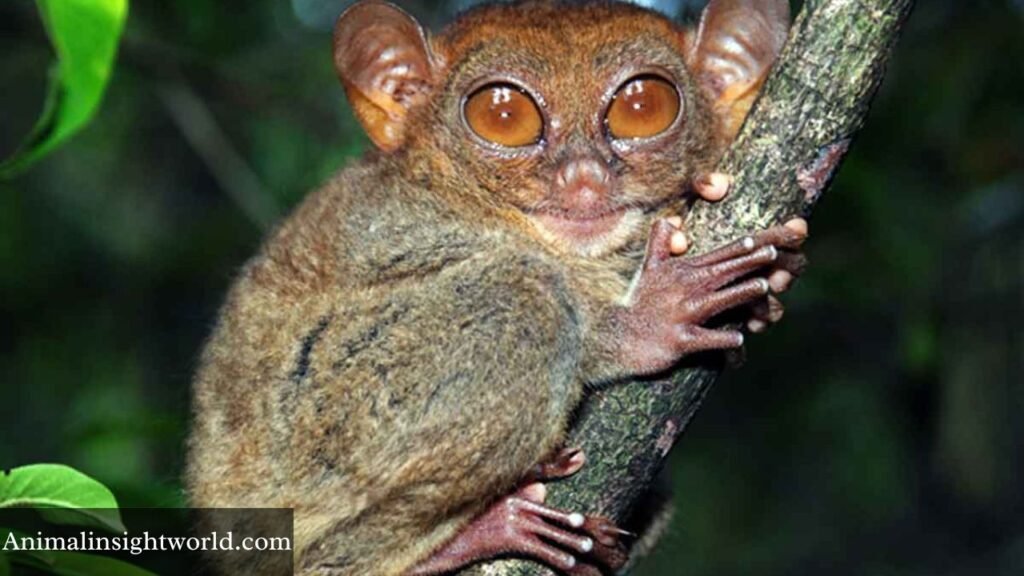
Despite their diminutive stature, tarsiers possess a remarkable agility that belies their appearance. They can leap distances of up to 10 feet, using their long fingers and toes to cling to branches. However, this incredible ability does little to protect them from habitat loss and fragmentation, as deforestation encroaches upon their tropical rainforest homes. Their dependence on specific environments makes them particularly susceptible to changes, intensifying the fragility of their existence. In a world that prizes strength and size, the tarsier serves as a poignant reminder that even the smallest beings can possess extraordinary adaptations while remaining precariously balanced on the edge of survival.
Axolotl
Scientific Name: Ambystoma mexicanum
Class: Amphibia
Diet: Carnivore
The axolotl, often dubbed the “Mexican walking fish,” stands out not just for its adorable appearance but also for its remarkable resilience in the face of adversity. This unique amphibian possesses a rare ability: it can regenerate entire limbs, spinal cords, and even parts of its heart and brain. Yet, despite its extraordinary healing powers, the axolotl is critically endangered, making its struggle for survival all the more poignant. Native to the ancient lakes of Mexico, urban pollution and habitat loss threaten this enchanting creature, underscoring the fragility of its ecosystem.
What’s even more intriguing is the axolotl’s perpetual youth. Unlike other amphibians that undergo metamorphosis, axolotls retain their juvenile characteristics throughout their life, a phenomenon known as neoteny. This unique trait contributes to their curious charm, with feathery gills sprouting from their heads like whimsical hairdos. While they may seem like the epitome of resilience, the axolotl’s plight serves as a powerful reminder of the delicate balance in nature and the urgent need for preservation efforts to protect species that embody both beauty and vulnerability.
Snails
Scientific Name: Gastropoda
Class: Gastropoda
Diet: Herbivore
Snails, often overlooked in discussions about strength in the animal kingdom, possess a unique resilience that belies their frailty. With their soft, vulnerable bodies and lack of mobility, they might appear to be among the weakest creatures on Earth. However, what they lack in brawn, they compensate for with remarkable adaptability. For instance, when threatened, many snails can retract into their shells, creating a protective fortress that shields them from predators. This simple yet effective defense mechanism showcases a different kind of strength — one that emerges not from aggression but from clever survival tactics.
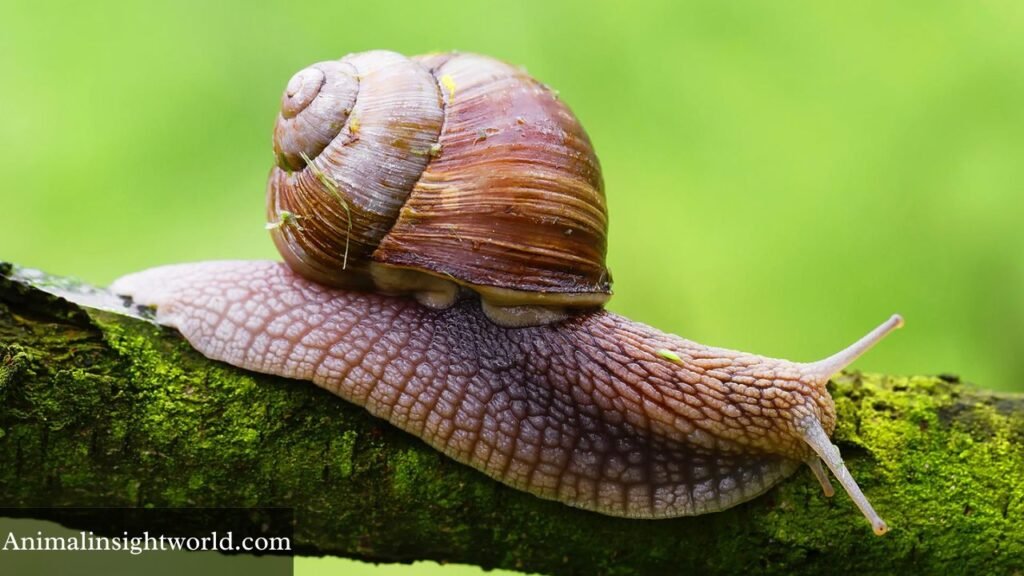
Moreover, the slow and steady nature of snails invites us to reconsider our perception of speed and efficiency. While they meander through their environment at a pace that could frustrate any ambitious animal, this deliberate movement allows them to engage with their surroundings in meaningful ways. They contribute to ecosystems by aiding in decomposition and enhancing soil fertility, demonstrating that even the gentlest creatures can play an integral role in sustaining life. Observing snails teaches us that vulnerability can be an asset, prompting us to appreciate the quiet determination present in even the smallest of beings.
You can also read: Explore Top 14 Small Monkey Breeds.
Koalas
Scientific Name: Phascolarctos cinereus
Class: Mammalia
Diet: Herbivore
Koalas, often perceived as the epitome of cuteness, embody a paradox of fragility in the animal kingdom. Their dependence on eucalyptus leaves not only makes their diet restrictive but also leaves them vulnerable to habitat loss and climate change. As they navigate diminishing forests, their populations dwindle, showcasing a stark reality where the cuddly exterior masks an alarming decline in numbers.
Beyond their dietary constraints, koalas face threats from illness, particularly chlamydia, which can be devastating and has led to significant fatalities in some populations. These health issues, combined with human encroachment, place koalas on a precarious edge. Yet, their resilience is often highlighted through conservation efforts that integrate public awareness and habitat restoration, emphasizing the collective responsibility to safeguard these gentle creatures. In a world where strength often equates to survival, koalas remind us that vulnerability carries its own unique significance, urging us to reflect on the delicate balance of life and our role in preserving it.
Manatee
Scientific Name: Trichechus
Class: Mammalia
Diet: Herbivore
Manatees, often dubbed “sea cows,” embody a gentle, unassuming presence in the aquatic world. These large marine mammals, primarily herbivorous, glide through coastal waters with an almost ethereal grace, yet their very size belies their vulnerability. With thick, wrinkled skin and paddle-like flippers, manatees are not built for defense; they possess no natural armor or significant speed to evade predators. Instead, their survival hinges on a delicate balance within their habitat, making them particularly sensitive to environmental changes and human activity.
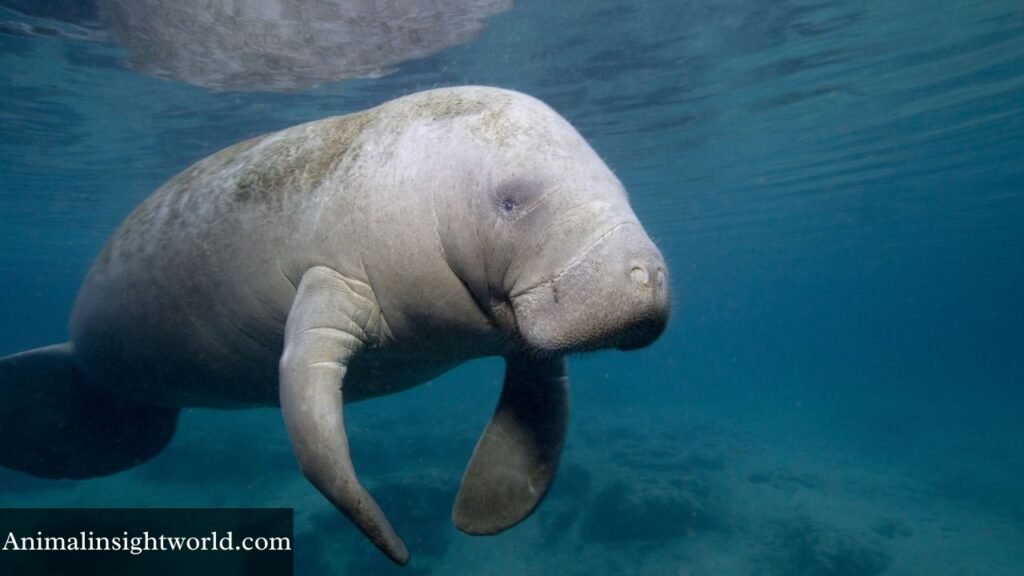
One of the most intriguing aspects of manatees is their role as keystone species in their ecosystems. By grazing on seagrass, they help maintain underwater grass beds, promoting healthy marine environments that benefit countless other organisms. However, this gentle giant off symbolizes the fragility of nature, as their populations are dwindling due to habitat loss, boat collisions, and climate change. By focusing on conservation efforts, we can protect not only these remarkable creatures but also the rich biodiversity they support, reminding us that vulnerability can inspire collective responsibility.
Readmore: Explore Top 15 Most Active Animals in the World.
Final Thoughts
The weakest animals in the world encapsulate the idea that vulnerability can be a form of strength. These creatures, often overlooked, reveal the diverse ways life can persist despite unyielding challenges. Whether through clever defense mechanisms or unique ways of evasion, these animals teach us about the tenacity found in even the most fragile forms of life. As we acknowledge their existence, we must also recognize our responsibility to safeguard their environments against the threats they face. Let’s take action to protect these incredible species and foster a more harmonious world where all beings, strong or weak, can coexist.
FAQs
What is the weakest animal in the world?
The jellyfish is often considered one of the weakest animals in the world due to its lack of a central nervous system and skeletal structure. These creatures drift along with ocean currents, relying on passive movement rather than strength or speed. Their bodies are made up of about 95% water, making them incredibly fragile. While they do possess some defenses, like stinging cells, jellyfish are largely at the mercy of their environment. They can’t actively swim away from predators or environmental hazards, highlighting their vulnerability in the vast ocean. This combination of traits certainly places them among the weakest in terms of physical resilience.
What is the most defenseless animal?
The butterfly is often considered one of the most defenseless animals due to its delicate structure and lack of obvious defenses. With their fragile wings and small size, butterflies are easy prey for many predators, including birds and spiders. Their soft bodies offer little protection, making them reliant on their ability to blend into their surroundings or rely on camouflage.
What animal has the weakest bite force?
The animal with the weakest bite force is generally considered to be the gentle giant known as the sloth. Sloths have a bite force that measures around 30 psi, which is quite minimal compared to many other animals. Their diet primarily consists of leaves, which don’t require a strong bite to consume.