Top 20 Animals With the Longest Tongues
A long tongue is a remarkable tool, used for reaching food in places that other animals cannot, for catching prey, and for grooming. Some tongues are longer than the animal’s body, while others are strong enough to strip leaves from a tree or to lick up thousands of ants in a day. In this list, we look at twenty animals with the longest tongues in the animal kingdom, from the giant anteater to the tiny hummingbird. Each one shows how a single feature can be adapted to a very specific way of life, and how evolution can produce some truly extraordinary anatomy.
1. Giant Anteater
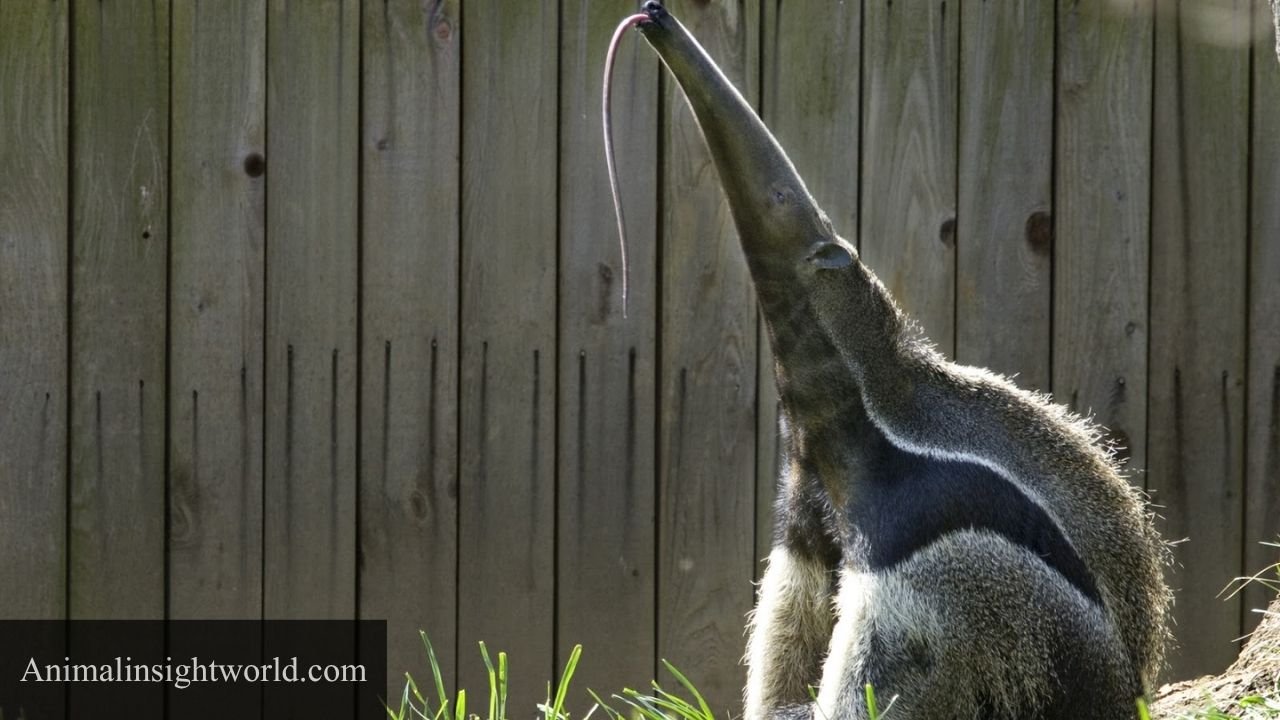
The giant anteater has one of the longest tongues of any land mammal, reaching up to sixty centimetres long, which is longer than its skull. The tongue is attached to its sternum, not to the back of its throat, which allows it to extend so far. It is covered in sticky saliva that traps ants and termites, and it flicks in and out of the nest up to one hundred and fifty times a minute. A giant anteater can eat up to thirty thousand ants and termites in a single day, licking them up with remarkable speed and efficiency. It has no teeth, and it crushes the insects against the roof of its mouth. The tongue is so long that when it is retracted, it folds back into the anteater’s chest. This extraordinary tongue is the key to the anteater’s survival, allowing it to feed on insects that other animals cannot reach.
2. Chameleon
The chameleon has a tongue that can be as long as its body, and in some species it can be twice as long as the body. The tongue is stored in a sheath in the throat, and when the chameleon spots an insect, it shoots out in a fraction of a second, with a sticky tip that grabs the prey and pulls it back into the mouth. The tongue is powered by a complex system of muscles and elastic tissue, which allows it to accelerate faster than a car. Chameleons have independently moving eyes that can look in two directions at once, helping them spot prey and watch for predators. They live in trees, where they move slowly and grip branches with their feet. Their long tongues are essential for catching insects that are too far away to reach with their mouths, and they are one of the most remarkable features of these unusual lizards.
3. Giraffe
The giraffe has a tongue that can reach up to fifty centimetres long, which it uses to strip leaves from acacia trees and to groom its own ears and nose. The tongue is dark blue or purple, which is thought to protect it from sunburn as the giraffe feeds in the hot African sun. Giraffes use their long necks and tongues to reach leaves high in the trees that other animals cannot reach, giving them access to food that is unavailable to their competitors. Their tongues are strong and flexible, able to wrap around branches and pull leaves into their mouths. Giraffes also use their tongues to pick up fallen fruit and to lick mineral-rich soil. The tongue is an essential tool for an animal that spends most of its day eating, and it is one of the longest tongues of any land mammal.
4. Blue Whale
The blue whale has the largest tongue of any animal, weighing as much as an elephant and measuring several metres long. Its tongue is so large that it can weigh up to three tonnes, which is heavier than most cars. Blue whales use their tongues to help filter krill from the water, pushing water out through their baleen plates and trapping the tiny animals inside. The tongue plays a crucial role in feeding, acting like a piston that forces water out of the mouth. Blue whales are the largest animals ever known to have lived on Earth, growing to around thirty metres long and weighing up to two hundred tonnes. Despite their enormous size, they feed almost entirely on tiny krill, and their giant tongues are part of the remarkable feeding system that allows them to survive on such small prey.
5. Woodpecker
Woodpeckers have extraordinarily long tongues that can extend several times the length of their beaks, reaching deep into tree bark to extract insects and grubs. The tongue is barbed and sticky, which helps it grab prey, and it is stored in a special sheath that wraps around the skull when it is not in use. Some woodpeckers have tongues that are longer than their entire bodies, and they can extend them up to ten centimetres beyond the tip of their beaks. Woodpeckers use their tongues to probe into crevices and holes, feeling for insects and pulling them out. Their tongues are also used to lap up sap from trees. The long tongue is an essential tool for a bird that feeds on insects hidden inside wood, and it is one of the most remarkable adaptations in the bird world.
6. Hummingbird
Hummingbirds have long, forked tongues that they use to drink nectar from flowers, extending deep into the blossom to reach the sweet liquid inside. The tongue is grooved and splits into two tubes at the tip, which helps it draw up nectar by capillary action. Hummingbirds can flick their tongues in and out of a flower up to thirteen times a second, drinking nectar at a remarkable rate. Their tongues are longer than their beaks, and they are stored in a sheath that wraps around the skull. Hummingbirds feed on nectar from hundreds of flowers every day, and their long tongues are essential for reaching the nectar in deep, tubular flowers. They also eat small insects for protein, which they catch in the air or pick from flowers. Their tongues are a marvel of engineering, perfectly adapted to a life spent drinking nectar.
7. Aardvark
The aardvark has a long, sticky tongue that can reach up to thirty centimetres, which it uses to lick up ants and termites from their nests. It can eat up to fifty thousand ants in a single night, using its tongue to collect them from tunnels and mounds. The aardvark’s tongue is attached to a long, tubular snout, which it uses to sniff out ant colonies in the dark. It has powerful claws for digging into nests, and its tongue does the rest, flicking in and out to gather the insects. Aardvarks are nocturnal, and they travel long distances in search of food. Their tongues are essential for their survival, allowing them to feed on insects that are hidden underground and inside mounds. The aardvark’s tongue is one of the longest of any mammal relative to its body size.
8. Pangolin
The pangolin has a remarkably long tongue that can reach up to forty centimetres, which is longer than its body in some species. The tongue is attached to its pelvis, not to its throat, which allows it to extend so far, and it is stored in a sheath in its chest when not in use. Pangolins use their tongues to lick up ants and termites from nests and mounds, and they can eat up to seventy million insects in a year. They have no teeth, and they crush the insects in their stomachs, which contain small stones that help grind them up. Pangolins are covered in scales that protect them from the bites and stings of ants, and when threatened, they roll into a tight ball. Their long tongues are essential for feeding on insects that live in narrow tunnels and crevices.
9. Nectar Bat
The nectar bat has a tongue that is remarkably long for its size, reaching up to eight centimetres, which is longer than its body in some species. It uses its tongue to drink nectar from flowers, extending it deep into the blossom to reach the sweet liquid inside. The tongue is covered in tiny, hair-like structures that help it collect nectar, and it can flick in and out of a flower many times a second. Nectar bats are important pollinators, carrying pollen from flower to flower as they feed at night. They live in the rainforests of Central and South America, where they feed on the nectar of cacti, agaves, and other night-flowering plants. Their long tongues are essential for reaching the nectar in deep flowers, and they are one of the most remarkable adaptations in the bat world.
10. Okapi
The okapi has a long, flexible tongue that can reach up to forty-five centimetres, which it uses to strip leaves from branches and to clean its own ears and eyes. The tongue is dark blue, like that of the giraffe, to which the okapi is related, and it is thought that the dark colour protects it from sunburn. Okapis live in the rainforests of the Congo, where they feed on leaves, buds, fruit, and fungi in the understory. They use their tongues to reach food that is otherwise out of reach, wrapping it around branches and pulling leaves into their mouths. Okapis are shy animals that are rarely seen in the wild, and they were unknown to science until the early twentieth century. Their long tongues are one of their most distinctive features, and they are a reminder of their close relationship to the giraffe.
11. Echidna
The echidna, also known as the spiny anteater, has a long, sticky tongue that can reach up to eighteen centimetres, which it uses to lick up ants and termites from nests and logs. The tongue is covered in sticky saliva that traps the insects, and it flicks in and out of the nest up to a hundred times a minute. Echidnas have no teeth, and they crush the insects against the roof of their mouths. They are excellent diggers, with powerful claws that they use to break open ant nests and termite mounds. Echidnas are solitary animals that wander across large territories in search of food, and they are one of the few mammals that lay eggs. Their long tongues are essential for feeding on insects that live in narrow tunnels and crevices, and they are one of the most remarkable features of these unusual animals.
12. Sun Bear
The sun bear has a remarkably long tongue, reaching up to twenty-five centimetres, which it uses to lick honey from beehives and to extract insects from tree hollows. It is the smallest bear in the world, but its tongue is one of the longest of any bear relative to its body size. Sun bears live in the rainforests of Southeast Asia, where they feed on fruit, insects, and honey. They have long, curved claws for climbing trees and tearing open logs, and their tongues help them reach food hidden deep inside. Sun bears are excellent climbers, and they often build nests in trees to sleep in. Their long tongues are essential for feeding on honey and insects, and they are one of the most distinctive features of these small, agile bears.
13. Tube-Lipped Nectar Bat
The tube-lipped nectar bat has the longest tongue of any mammal relative to its body size, reaching up to eight and a half centimetres, which is one and a half times the length of its body. It uses its tongue to drink nectar from the deep, tubular flowers of a plant called Centropogon, which has flowers that are up to nine centimetres long. The bat’s tongue is stored in a sheath that extends into its ribcage when it is not in use. This remarkable tongue allows the bat to reach nectar that no other animal can reach, giving it exclusive access to a food source. The bat and the plant have evolved together, with the flower’s shape matching the bat’s tongue perfectly. It is one of the most extraordinary examples of co-evolution in the animal kingdom.
14. Komodo Dragon
The Komodo dragon has a long, forked tongue that it uses to detect scents in the air, flicking it in and out to pick up chemical particles and transfer them to a special organ in the roof of its mouth. The tongue can be up to thirty centimetres long, and it is an essential tool for finding food across large territories. Komodo dragons can detect the scent of a dead animal from more than ten kilometres away, and they use their tongues to follow scent trails to their source. They are the largest lizards in the world, growing to more than three metres long, and they hunt deer, pigs, and other animals on the islands of Indonesia. Their tongues are not used for eating, but for smelling, and they are a vital part of the dragon’s hunting strategy.
15. Frog
Frogs have long, sticky tongues that they use to catch insects, flicking them out in a fraction of a second to snatch a fly or a cricket from the air. The tongue is attached to the front of the mouth, not the back, which allows it to flip outwards and reach prey that is several centimetres away. Some frogs have tongues that are longer than their bodies, and they can extend them with remarkable speed and accuracy. The tongue is covered in sticky mucus that traps the insect, and it is pulled back into the mouth with the prey attached. Frogs use their tongues to catch a wide range of prey, from flies and mosquitoes to small fish and even other frogs. Their tongues are one of the most remarkable features of amphibians, and they are essential for a life spent hunting small, fast-moving prey.
16. Gecko
Geckos have long tongues that they use to catch insects and to clean their eyes, licking their eyeballs to keep them moist and free of dust. Some geckos have tongues that are longer than their heads, and they can extend them quickly to snatch an insect from a wall or a leaf. Geckos are famous for their ability to climb smooth surfaces, using tiny hairs on their toes that create a molecular attraction to the surface. They are found in warm climates all over the world, and they are often seen around houses, where they hunt insects attracted to lights. Geckos use their tongues to taste the air and to detect chemical signals, much like snakes do. Their long tongues are a versatile tool, used for feeding, grooming, and sensing the world around them.
17. Armadillo
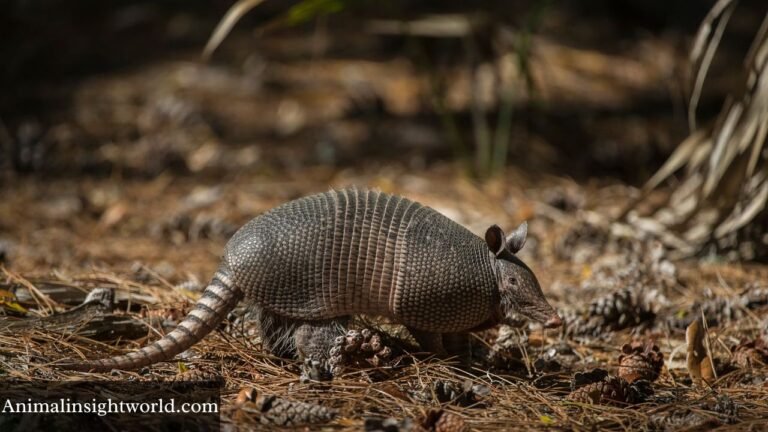
The armadillo has a long, sticky tongue that it uses to lick up ants, termites, and other insects from the ground and from nests. Some species have tongues that can reach up to fifteen centimetres, which is long for an animal of their size. Armadillos use their powerful claws to dig into ant nests and termite mounds, and their tongues do the rest, collecting the insects with remarkable efficiency. They can eat thousands of ants in a single day, and they are important for controlling insect populations. Armadillos are found in the Americas, from the southern United States to Argentina, and they are known for their armoured shells, which protect them from predators. Their long tongues are an essential part of their feeding strategy, allowing them to reach insects hidden in narrow tunnels.
18. Anteater
The silky anteater is the smallest anteater species, with a tongue that is remarkably long for its size, reaching up to fifteen centimetres. It lives in the trees of the rainforests of Central and South America, where it feeds on ants and termites, licking them up with its sticky tongue. Silky anteaters are nocturnal, and they spend their nights moving slowly through the canopy, searching for ant nests in trees. They have long, curved claws for climbing, and their prehensile tails help them grip branches. Silky anteaters are small, usually less than half a metre long, and they are covered in soft, silky fur that blends in with the kapok trees where they live. Their long tongues are essential for feeding on ants that live in the trees, and they are a marvel of adaptation for such a small animal.
19. Snake
Snakes have long, forked tongues that they use to detect scents in the air, flicking them in and out to pick up chemical particles and transfer them to the Jacobson’s organ in the roof of their mouths. The forked shape allows snakes to detect the direction of a scent, with each tip sampling a slightly different part of the air. Snakes use their tongues to find prey, to detect predators, and to navigate their environment. Some snakes have tongues that are longer than their heads, and they can extend them rapidly to sample the air. Snakes do not use their tongues for eating, but for smelling, and they are an essential part of the snake’s sensory system. Their tongues are one of the most distinctive features of snakes, and they are a symbol of these remarkable reptiles.
20. Horned Lizard
The horned lizard has a long, sticky tongue that it uses to catch ants, flicking it out to snatch an ant from the ground and pulling it back into its mouth. Horned lizards feed mainly on ants, and they can eat hundreds of ants in a single day. Their tongues are an essential tool for catching small, fast-moving prey, and they are remarkably quick and accurate. Horned lizards are found in the deserts of North America, where they are well camouflaged with sandy-coloured scales. They have a crown of sharp horns on their heads that they use to defend themselves from predators, and some species can squirt blood from their eyes. Their long tongues are a vital part of their hunting strategy, allowing them to feed on ants that are too small and too numerous for other predators to bother with.
From the giant anteater’s sixty-centimetre tongue to the tube-lipped nectar bat’s tongue that is longer than its body, the twenty animals in this list show how a long tongue can be a powerful tool. Some use it to reach food in deep flowers, some to lick up ants, and some to smell the world around them. What they all share is a reminder that evolution can produce extraordinary anatomy when an animal needs to reach something that is just out of grasp. A long tongue may seem like a small thing, but for these animals, it is the difference between eating and going hungry.
How These Animals Compare
The animals on this list use their long tongues for very different jobs, and the job decides the design. The giant anteater and the aardvark use tongues up to 60 centimetres long to reach ants and termites deep inside nests, while the giraffe and the okapi use their dark, prehensile tongues to strip leaves from thorny branches without hurting themselves. The blue whale has the largest tongue of all, weighing as much as an elephant, and it uses it to push water out of its mouth after gulping krill.
Other tongues are built for catching food in a flash. The chameleon shoots its tongue out faster than the eye can follow, the woodpecker wraps its tongue around its skull when not in use and uses it to pull insects from deep in wood, and the frog and the gecko flick their sticky tongues out to catch insects in mid-air. The tube-lipped nectar bat has a tongue longer than its whole body, reaching deep into flowers for nectar, and the komodo dragon uses its forked tongue to taste the air for carrion from kilometres away.
Frequently Asked Questions
Which animal has the longest tongue on this list?
The giant anteater has one of the longest tongues relative to its body, reaching about 60 centimetres. The blue whale has the largest tongue in absolute terms, weighing up to 2.7 tonnes, as much as a whole elephant.
How does a chameleon catch insects with its tongue?
A chameleon shoots its tongue out in a fraction of a second, and the sticky tip grabs the insect and pulls it back into the mouth. The tongue can be up to twice the length of the chameleon’s body.
Why do giraffes have dark tongues?
Giraffe tongues are dark blue or purple, which may protect them from sunburn because giraffes spend so much time with their tongues out, stripping leaves from acacia trees. Their tongues are also about 45 centimetres long and very flexible.
Do snakes use their tongues to smell?
Yes. Snakes flick their forked tongues to collect scent particles from the air and bring them to a special organ in the roof of the mouth. The forked shape lets the snake tell which direction a smell is coming from.
Final Thoughts
From the giant anteater’s sixty-centimetre tongue to the tube-lipped nectar bat’s tongue that is longer than its body, long tongues are tools shaped by food. Whether the job is reaching into a nest, stripping a thorny branch or tasting the air for a meal, each of these twenty animals shows that a tongue can be one of the most useful parts of a body.