Top 15 Animals That Hibernate
When winter arrives and food becomes scarce, some animals do something extraordinary: they slow their bodies down almost to a standstill and sleep for weeks or months at a time. This is hibernation, one of nature’s most remarkable survival strategies. During hibernation, an animal’s heart rate drops, its breathing slows, and its body temperature falls, allowing it to live off stored fat until spring returns. Some animals hibernate in burrows and caves, others in mud at the bottom of ponds, and a few even hibernate in trees. In this list we look at fifteen animals that hibernate, from familiar bears and bats to tiny dormice, frogs, and even a bird. Each one shows a different way of surviving the cold months, and how a long sleep can be the key to staying alive.
What Makes These Animals Special
What makes hibernating animals special is how deeply they can slow their own bodies down. The Arctic ground squirrel is the most extreme: its body temperature can drop below freezing, to minus three degrees, and it survives because its blood does not freeze. The brown bear and the American black bear sleep for months without eating, drinking or passing waste, living entirely off stored fat, and a female bear can even give birth during hibernation and nurse her cubs without waking fully.
Other animals on this list hibernate in very different ways. The little brown bat hibernates in caves, slowing its heart to just a few beats a minute, the common poorwill is the only bird known to hibernate, sleeping in rock crevices for weeks, and the fat-tailed dwarf lemur is the only primate that truly hibernates. The garden dormouse and the hazel dormouse sleep for six months or more, the common frog and the painted turtle hibernate at the bottom of ponds, and the queen bumblebee sleeps alone underground through the winter.
1. Brown Bear
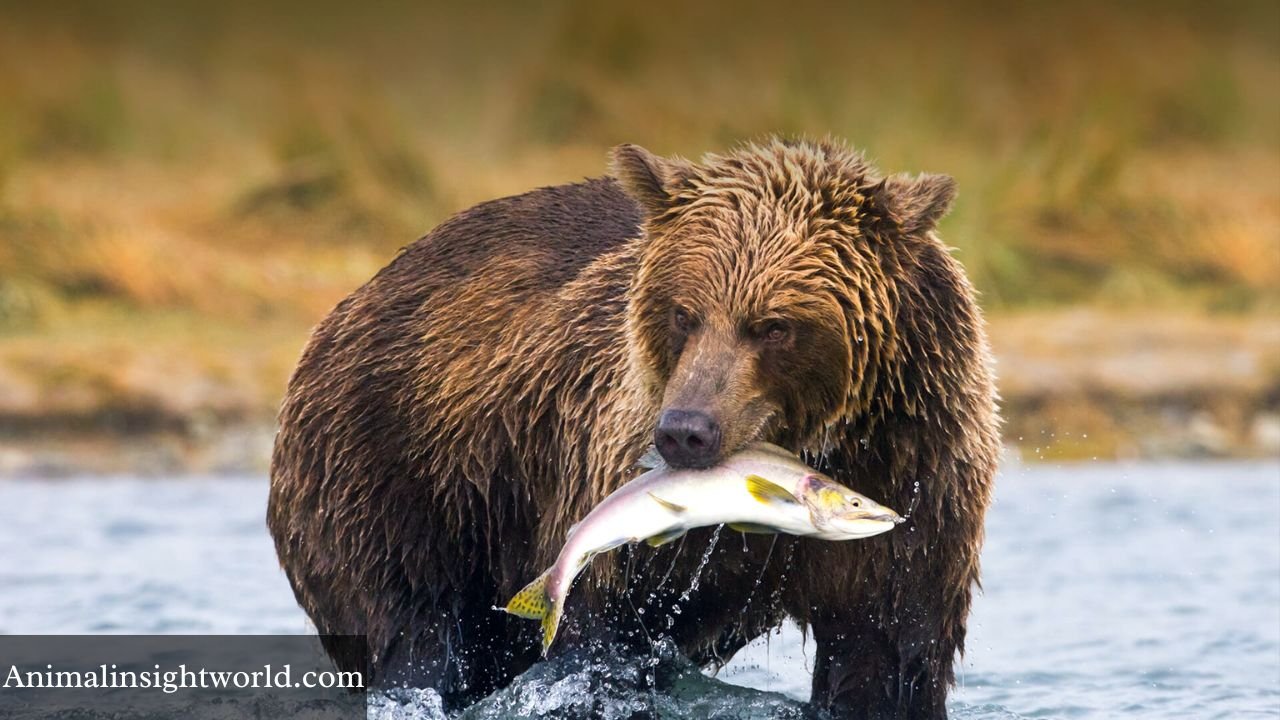
The brown bear is one of the most famous hibernating animals, and it can sleep for five to seven months in its winter den. Before winter, brown bears eat huge amounts of food, including berries, nuts, fish, and roots, building up a thick layer of fat that will sustain them through the cold months. They dig dens in hillsides, under tree roots, or in caves, lining them with grass and leaves. During hibernation, a brown bear’s heart rate drops from around forty beats per minute to as low as eight, and its body temperature falls by a few degrees. Female brown bears give birth to tiny cubs in the den during winter, and the cubs nurse and grow while their mother sleeps. In spring, the bears emerge hungry and thin, ready to search for fresh food as the snow melts and plants begin to grow again.
2. American Black Bear
The American black bear is North America’s most common bear, and it is a skilled hibernator. Black bears spend the autumn eating as much as they can, sometimes gaining a large amount of weight in just a few weeks, before retreating to a den for the winter. Their dens are often in hollow trees, rock crevices, or under fallen logs, and they may return to the same den year after year. During hibernation, black bears do not eat, drink, or pass waste, and their bodies recycle nutrients in a remarkable way that prevents muscle loss. Their heart rate slows dramatically, and they may lose up to a third of their body weight by spring. Like brown bears, female black bears give birth in the den, and the cubs stay with their mother for more than a year, learning how to find food and survive in the forest.
3. Little Brown Bat
The little brown bat is a small, insect-eating bat from North America that hibernates through the cold winter months. In autumn, little brown bats gather in caves and old mines, where the temperature stays cool and stable, and they hang upside down in large clusters to hibernate. During hibernation, their heart rate drops from hundreds of beats per minute to just a few, and their body temperature falls to near the temperature of the cave. They survive on fat stored during the summer, when they catch thousands of insects each night. Little brown bats are vulnerable during hibernation because they are easily disturbed, and waking up uses up precious fat reserves. A disease called white-nose syndrome has caused serious declines in their numbers, and protecting their hibernation caves is an important part of their conservation.
4. Common Poorwill
The common poorwill is a small nightjar from western North America, and it is the only bird known to hibernate for long periods. During the winter, poorwills find shelter in rock crevices and under piles of stones, where they enter a state of torpor that can last for weeks or even months. Their body temperature drops, their breathing slows, and they become almost completely still, looking like a pile of leaves or a stone. This allows them to survive the winter when insects, their main food, are not available. Poorwills were first discovered hibernating in the 1940s, when a researcher found one in a rock crevice in California and realised it was alive but in a deep sleep. Unlike mammals, poorwills do not build up large fat reserves, and they rely on their sheltered roost and their ability to lower their metabolism to survive until spring.
5. Alpine Marmot
The alpine marmot is a large ground squirrel that lives in the high mountains of Europe, and it is one of the most dedicated hibernators in the animal kingdom. Alpine marmots hibernate for up to nine months of the year, longer than almost any other mammal, sleeping in burrows deep beneath the snow. Before winter, they eat large amounts of grass and herbs to build up fat, and they line their burrows with hay to keep warm. During hibernation, family groups huddle together in the burrow, sharing body heat, and their heart rate drops to just a few beats per minute. Alpine marmots emerge in spring when the snow melts, and they spend the short summer feeding, raising young, and preparing for the next long winter. Their loud whistles warn other marmots of eagles and other predators in the mountains.
6. Woodchuck
The woodchuck, also known as the groundhog, is a large rodent from North America that is famous for its long winter sleep. Woodchucks hibernate for four to six months, retreating to burrows that they dig in fields, meadows, and woodland edges. Before hibernating, they eat large amounts of grass, clover, and other plants, doubling their body weight in fat. During hibernation, their body temperature drops to just a few degrees above freezing, and their heart rate slows to only a few beats per minute. Woodchucks are true hibernators, meaning they do not wake up to eat or drink during the winter. In spring, they emerge from their burrows and begin feeding again, and males search for females to mate with. The woodchuck’s emergence in early February is celebrated in the United States as Groundhog Day, a folk tradition about predicting the coming of spring.
7. Arctic Ground Squirrel
The arctic ground squirrel lives in the far north of North America, where winters are long and extremely cold, and it is one of the most remarkable hibernators on Earth. During hibernation, its body temperature can drop below freezing, to around minus three degrees Celsius, which is the lowest body temperature ever recorded in a mammal. Arctic ground squirrels hibernate for seven to nine months, curled up in burrows beneath the frozen ground, and they survive on fat stored during the short Arctic summer. Every few weeks they briefly warm up, although scientists are still studying why they do this. In summer, they feed on grasses, seeds, and berries, and they raise their young in burrows lined with grass and fur. Their ability to survive freezing temperatures has made them a subject of medical research, as scientists hope to learn how their bodies protect themselves from the cold.
8. Garden Dormouse
The garden dormouse is a small, nocturnal rodent from Europe, and it is named for its habit of sleeping for long periods. Garden dormice hibernate for five to six months, usually in burrows, rock crevices, or hollow trees, where they curl up into a tight ball with their tail wrapped around their body. Before winter, they eat large amounts of fruit, nuts, and insects to build up fat, and their body weight can almost double. During hibernation, their heart rate and breathing slow dramatically, and their body temperature falls close to that of their surroundings. Garden dormice are known for their large black eye mask, which gives them a distinctive appearance, and their long, bushy tails. They are active at night during the summer, climbing trees and shrubs to find food, and they are excellent climbers. Their numbers have declined in some areas due to habitat loss.
9. Hazel Dormouse
The hazel dormouse is a tiny, golden-brown rodent from Europe, and it is one of the most charming hibernators. It spends the summer in woodlands and hedgerows, feeding on flowers, fruit, nuts, and insects, and building woven nests of leaves and honeysuckle bark in shrubs and trees. In autumn, hazel dormice eat large amounts of hazelnuts and other food to build up fat, then hibernate for five to six months in nests on the forest floor, under leaf litter, or at the base of trees. During hibernation, they curl into a tight ball and their body temperature drops to near freezing. Hazel dormice are rarely seen because they are nocturnal and spend much of their lives in trees, but their presence can be detected by the neat, round holes they leave in hazelnut shells. They are protected in many countries because their woodland habitat is shrinking.
10. Common Frog
The common frog is a familiar amphibian in Europe, and it survives the winter by hibernating in ponds or in muddy banks. Some common frogs hibernate at the bottom of ponds, where they absorb oxygen through their skin, while others hide in compost heaps, log piles, or burrows on land. During hibernation, their heart rate slows, and they become almost completely still, living off energy stored during the summer and autumn. Frogs that hibernate underwater must find ponds that do not freeze solid, and they may gather in large groups in the mud at the bottom. In spring, common frogs emerge and return to their breeding ponds, where males call loudly to attract females, and females lay thousands of eggs in jelly-like clumps. Their tadpoles develop in the pond over the summer, before turning into tiny froglets and leaving the water.
11. Painted Turtle
The painted turtle is a colourful freshwater turtle from North America, and it hibernates at the bottom of ponds and lakes during the winter. Painted turtles are named for the bright red and yellow markings on their shells and skin, which make them one of the most attractive turtles in the world. In autumn, they bury themselves in the mud at the bottom of a pond, where the water is cold but does not freeze solid. During hibernation, they slow their metabolism dramatically and absorb oxygen through their skin and through special tissues near their tails, allowing them to survive for months without breathing air. Painted turtles can survive in water with very little oxygen, and their bodies have special adaptations that prevent damage from lactic acid build-up. In spring, they emerge and bask in the sun to warm up.
12. Eastern Box Turtle
The eastern box turtle is a land turtle from eastern North America, and it hibernates by digging into soft soil, leaf litter, or mud at the bottom of shallow ponds. Eastern box turtles have a high-domed shell with yellow and orange markings, and they can close their shells tightly using a hinge on their lower shell, which protects them from predators. Before winter, they eat large amounts of fruit, mushrooms, and insects to build up fat, then dig down below the frost line, where the temperature stays above freezing. During hibernation, their heart rate slows, and they remain buried for several months, emerging in spring when the weather warms. Eastern box turtles are long-lived animals, and some individuals are believed to live for more than a hundred years. They return to the same home range year after year, and they are vulnerable to habitat loss and road traffic.
13. Fat-tailed Dwarf Lemur
The fat-tailed dwarf lemur is a small primate from Madagascar, and it is the only primate known to hibernate for long periods. During the dry season, when food is scarce, fat-tailed dwarf lemurs retreat to tree hollows, where they curl up and enter a state of hibernation that can last for up to seven months. Before hibernating, they eat large amounts of fruit and store fat in their tails, which can almost double in size. During hibernation, their body temperature drops, and their heart rate slows, allowing them to survive on their fat reserves until the rains return. Fat-tailed dwarf lemurs are nocturnal, and during the wet season they are active at night, feeding on fruit, flowers, and insects. Their hibernation is a remarkable adaptation to Madagascar’s seasonal climate, and it shows that even primates, the group that includes humans, can evolve the ability to sleep through hard times.
14. Queen Bumblebee
The queen bumblebee is the only bumblebee that survives the winter, and she does so by hibernating alone in a sheltered spot. In late summer, new queens mate and then feed heavily on nectar and pollen to build up fat reserves. They then find a place to hibernate, often in a burrow, under leaf litter, or in a compost heap, where they dig a small chamber and settle in for the winter. During hibernation, the queen’s metabolism slows, and she remains dormant for several months, surviving on her stored fat. In spring, she emerges and searches for a suitable nest site, often in an old mouse burrow or a grassy bank, where she will lay her first eggs and start a new colony. The queen raises the first workers herself, and the colony grows through the summer until new queens are produced in late summer, continuing the cycle.
15. Seven-spot Ladybug
The seven-spot ladybug is a familiar red beetle with seven black spots, found across Europe and Asia, and it hibernates in large groups during the winter. In autumn, seven-spot ladybugs gather in sheltered places, such as under bark, in leaf litter, in cracks in walls, or on sunny hillsides, where they cluster together for warmth. During hibernation, they become dormant and live off fat stored during the summer, when they feed on aphids and other small insects. Ladybugs are beneficial insects for gardeners because they eat large numbers of aphids, which damage plants. In spring, the ladybugs emerge and disperse to find food and mates, and females lay eggs on plants infested with aphids, so that their larvae have plenty to eat when they hatch. The seven-spot ladybug’s bright colour warns predators that it tastes unpleasant, and it can release a bitter yellow fluid when threatened.
Hibernation is one of nature’s cleverest answers to winter. Whether it is a bear sleeping in a den, a bat hanging in a cave, a frog buried in pond mud, or a tiny dormouse curled in leaf litter, each of these fifteen animals has found a way to slow down, save energy, and wait out the cold months. Some hibernate for a few weeks, others for most of the year, but all of them depend on a safe, sheltered place and enough stored fat to see them through. As winters change and habitats shrink, protecting those shelters is more important than ever, so that these remarkable sleepers can wake up each spring and begin the cycle again.
Surprising Facts
The woodchuck, also called the groundhog, is one of the most famous hibernators on this list, and its winter sleep can last for five months. During hibernation its heart slows from around 80 beats a minute to just 4 or 5, and it breathes only once every few minutes. The alpine marmot lives in family groups that huddle together in a burrow to stay warm, and young marmots may stay with their parents for several years before leaving.
The seven-spot ladybug hibernates in large groups, sometimes thousands of beetles together under bark or in leaf litter, and the eastern box turtle buries itself in mud and leaves to sleep through the cold. The queen bumblebee is the only member of her colony to survive winter: she mates in autumn, digs a small burrow, and sleeps until spring, when she starts a whole new colony alone.
Frequently Asked Questions
Which animals hibernate the longest on this list?
Garden dormice and hazel dormice hibernate for around six months, among the longest on this list. Brown bears and American black bears can sleep for five to seven months, and Arctic ground squirrels hibernate for seven to eight months.
Do bears really sleep all winter without waking?
Bears sleep for months without eating or drinking, but their sleep is lighter than true hibernation, and they can wake if disturbed. Female bears give birth during this sleep and nurse their cubs, which is possible because they live entirely off stored body fat.
What is the only bird that hibernates?
The common poorwill is the only bird known to hibernate. It sleeps in rock crevices for weeks at a time, dropping its body temperature and slowing its breathing, a state that was first discovered in the 1940s.
How do frogs survive freezing during hibernation?
Common frogs hibernate at the bottom of ponds, where the water stays just above freezing, and they absorb oxygen through their skin. Some frogs can survive partial freezing by producing a kind of antifreeze in their blood, though the common frog avoids freezing by staying underwater.
Conclusion
Hibernation is one of nature’s cleverest answers to winter. From the Arctic ground squirrel, whose body drops below freezing, to the queen bumblebee sleeping alone underground, these fifteen animals show that the best way to survive a season with no food is to switch off and wait. Winter is not the end of the year for them; it is just a long sleep before spring.