Top 15 Animals That Live on Islands
Islands are natural laboratories of evolution, where animals evolve in isolation and develop unique features found nowhere else on Earth. Cut off from the mainland, island animals often grow larger or smaller than their relatives, lose the ability to fly, or develop behaviours that are unlike anything seen elsewhere. In this list, we look at fifteen animals that live on islands, from the giant tortoises of the Galapagos to the lemurs of Madagascar. Each one shows how isolation can shape an animal in remarkable ways, and how island species are among the most vulnerable animals on the planet.
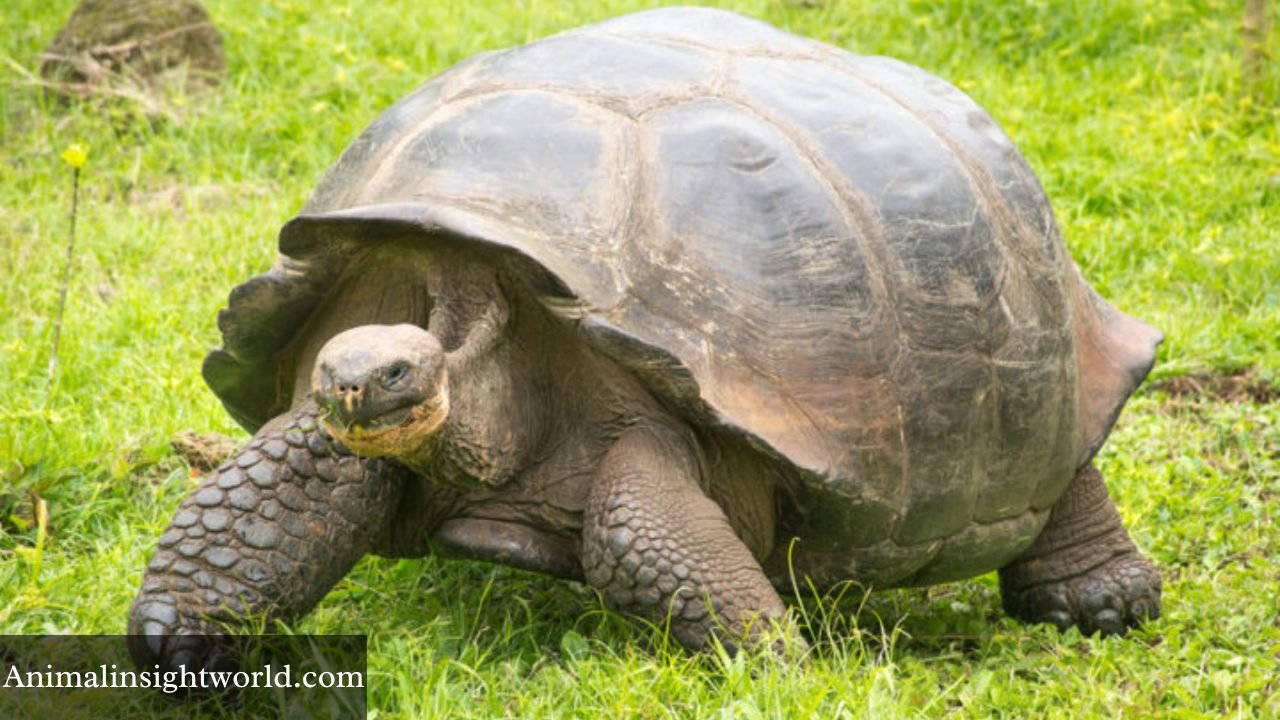
1. Galapagos Tortoise
The Galapagos tortoise is the largest tortoise in the world, growing to more than a metre and a half long and weighing over two hundred kilograms. It lives only on the Galapagos Islands, off the coast of Ecuador, where it has evolved in isolation for millions of years. Galapagos tortoises have different shell shapes on different islands, with dome-shaped shells on wet islands and saddle-shaped shells on dry islands, which allow them to reach higher vegetation. They can live for more than a hundred years, and some individuals are thought to be over one hundred and fifty years old. Galapagos tortoises feed on grasses, leaves, and cacti, and they play an important role in their ecosystem by spreading seeds. They were once hunted by sailors for food, but they are now protected, and their numbers are recovering thanks to conservation efforts.
2. Lemur
Lemurs are primates found only on the island of Madagascar, off the coast of Africa, where they have evolved in isolation for tens of millions of years. There are more than a hundred species of lemur, ranging from the tiny mouse lemur, which weighs less than a hundred grams, to the indri, which can weigh up to ten kilograms. Lemurs live in the rainforests, dry forests, and spiny deserts of Madagascar, feeding on fruit, leaves, and insects. The ring-tailed lemur is the most famous species, with its long, black-and-white striped tail and its habit of sunbathing in the morning. Lemurs are threatened by habitat loss and hunting, and many species are endangered. Madagascar is one of the most important places on Earth for biodiversity, and its lemurs are found nowhere else.
3. Komodo Dragon
The Komodo dragon is the largest lizard in the world, growing to more than three metres long, and it lives only on a few islands in Indonesia, including Komodo, Rinca, and Flores. It is a formidable predator, hunting deer, pigs, and other animals, and it has a venomous bite and sharp teeth and claws. Komodo dragons are ambush predators, waiting patiently for prey to come within range, then launching a sudden attack. They have an excellent sense of smell, able to detect a dead animal from more than ten kilometres away. Komodo dragons are solitary animals that patrol large territories, and they are the top predators on their islands. They are threatened by habitat loss and by the decline of their prey, and they are now protected in Komodo National Park, a UNESCO World Heritage Site.
4. Kiwi
The kiwi is a flightless bird found only in New Zealand, with a long beak, brown, hair-like feathers, and an excellent sense of smell. It is nocturnal, emerging at night to probe the soil for worms and insects with its long beak. Kiwis have nostrils at the tip of their beaks, which is unique among birds, and they use their sense of smell to find food in the dark. They are the only birds with external nostrils at the tip of the beak, and they have a highly developed sense of smell. Kiwis are a national symbol of New Zealand, and they are revered by the Maori people. They are threatened by introduced predators such as stoats, rats, and dogs, which eat their eggs and chicks. Conservation efforts, including predator-free sanctuaries, are helping to protect kiwis and their forest home.
5. Marine Iguana
The marine iguana is a remarkable lizard found only on the Galapagos Islands, and it is the only lizard in the world that feeds in the sea. It dives into the cold ocean to graze on algae growing on rocks, holding its breath for up to thirty minutes and using its flat tail to swim. Marine iguanas have special glands that excrete excess salt, which they take in with the seawater, and they often sneeze out salty water on the rocks. They are dark grey or black, which helps them absorb heat from the sun after a cold dive. Marine iguanas live in colonies on rocky shores, basking in the sun to warm up between dives. They are threatened by El Nino events, which warm the ocean and reduce the algae they feed on, and by introduced predators. Their ability to feed in the sea is unique among lizards.
6. Dodo
The dodo was a flightless bird that lived only on the island of Mauritius, in the Indian Ocean, and it became extinct in the seventeenth century, less than a hundred years after humans first arrived on the island. Dodos were large birds, standing about a metre tall, with grey feathers, a large beak, and small wings that could not fly. They had evolved in isolation, with no predators, so they were unafraid of humans and were easy to hunt. Dodos also suffered from introduced animals, such as rats, pigs, and monkeys, which ate their eggs and competed for food. The dodo became extinct around 1681, and it is now a symbol of extinction and of the fragility of island species. Its story is a warning about the impact of humans on isolated island ecosystems, and it reminds us of the importance of protecting island wildlife.
7. Fossa
The fossa is a cat-like predator found only on the island of Madagascar, where it is the largest predator and the top hunter of lemurs. It has a long, muscular body, short legs, and a long tail for balance, and it is an excellent climber, able to leap between branches and to descend trees headfirst. Fossas have sharp, retractable claws that help them grip bark and catch prey in the canopy. They hunt mainly at night, using their excellent night vision and hearing to find lemurs and other animals. Fossas are solitary animals that patrol large territories in the rainforest. They are threatened by habitat loss and by hunting, and their numbers are declining. The fossa is a symbol of Madagascar’s unique wildlife, and its survival depends on protecting the island’s forests.
8. Hawaiian Honeycreeper
The Hawaiian honeycreeper is a group of birds found only on the Hawaiian Islands, where they have evolved into many different species with different beak shapes, colours, and feeding habits. Some honeycreepers have long, curved beaks for drinking nectar from flowers, while others have short, strong beaks for eating seeds or insects. They are among the most diverse groups of birds on any island, and they are a classic example of adaptive radiation, where a single ancestor evolves into many species to fill different niches. Hawaiian honeycreepers are threatened by habitat loss, introduced predators, and avian malaria, which is spread by mosquitoes. Many species have already become extinct, and the remaining species are among the most endangered birds in the world. Their story is a reminder of the fragility of island ecosystems.
9. Tasmanian Devil
The Tasmanian devil is a carnivorous marsupial found only on the island of Tasmania, off the coast of Australia. It is the largest carnivorous marsupial in the world, with a stocky body, black fur, and a powerful bite. Tasmanian devils are scavengers, feeding on dead animals, and they play an important role in cleaning up the Tasmanian bush. They are nocturnal, emerging at night to forage, and they communicate with loud screeches and growls. Tasmanian devils are threatened by a contagious facial tumour disease, which has killed most of the wild population. Conservation efforts, including captive breeding and the establishment of disease-free populations on mainland Australia, are underway to save them. The Tasmanian devil is a symbol of the unique wildlife of Tasmania, and its survival is a priority for conservation.
10. Galapagos Penguin
The Galapagos penguin is the only penguin species found north of the equator, living on the Galapagos Islands where the cold Humboldt Current keeps the water cool. It is one of the smallest penguins, standing about fifty centimetres tall, and it feeds on small fish and crustaceans in the cold waters around the islands. Galapagos penguins nest in lava tubes and crevices, where they lay two eggs and raise their chicks. They are threatened by El Nino events, which warm the ocean and reduce the fish they feed on, and by introduced predators such as rats and cats. Their numbers are small, with only a few thousand birds remaining, and they are listed as endangered. The Galapagos penguin is a symbol of the unique wildlife of the Galapagos, and its survival depends on the health of the ocean around the islands.
11. Aye-Aye
The aye-aye is a strange and fascinating primate found only on the island of Madagascar, with large eyes, big ears, and a long, thin middle finger that it uses to find food. At night, it taps on tree bark with its finger and listens for the hollow sound that indicates a grub or insect is hiding inside. It then gnaws a hole in the bark and uses its finger to fish out the grub. Aye-ayes are the largest nocturnal primates in the world, and they are the only primates that use this tapping technique to find food. They live alone or in pairs in the rainforests of Madagascar, and they are often feared by local people, who believe they bring bad luck. Aye-ayes are endangered because of habitat loss and persecution, and they are now protected by law.
12. Kakapo
The kakapo is a large, flightless parrot found only in New Zealand, with moss-green feathers, a distinctive owl-like face, and a nocturnal lifestyle. It is the world’s heaviest parrot, weighing up to four kilograms, and it is also one of the longest-lived birds, able to live for more than ninety years. Kakapos feed on fruits, seeds, and leaves, and they are excellent climbers, using their wings for balance as they climb trees. They are critically endangered, with only a few hundred birds remaining, all of which live on predator-free islands off the coast of New Zealand. Kakapos are famous for their booming mating calls, which males produce by inflating air sacs in their chests. Their recovery is one of the great success stories of conservation, thanks to intensive management and the dedication of rangers and volunteers.
13. Madagascan Chameleon
Madagascar is home to more than half of the world’s chameleon species, including the Parson’s chameleon, which is one of the largest chameleons in the world, growing to more than sixty centimetres long. Chameleons are famous for their ability to change colour, their independently moving eyes, and their long, sticky tongues, which they use to catch insects. They live in the rainforests and dry forests of Madagascar, where they have evolved in isolation for millions of years. Madagascar’s chameleons come in many colours and sizes, from the tiny Brookesia chameleon, which is smaller than a human thumb, to the giant Parson’s chameleon. They are threatened by habitat loss and by collection for the pet trade, and many species are endangered. Their diversity is a testament to the power of island evolution.
14. Flightless Cormorant
The flightless cormorant is a remarkable bird found only on the Galapagos Islands, and it is the only cormorant in the world that cannot fly. It has small, stubby wings that are useless for flight, but it is an excellent swimmer, using its powerful legs and webbed feet to dive for fish, eels, and octopuses. Flightless cormorants live on the rocky shores of Fernandina and Isabela Islands, where they nest in colonies and raise their chicks. They lost the ability to fly because there were no predators on the islands, so flight was not necessary for survival. Flightless cormorants are threatened by El Nino events and by introduced predators, and their numbers are small. They are a classic example of island evolution, showing how animals can lose abilities they no longer need.
15. Coconut Crab
The coconut crab is the largest land crab in the world, living on islands in the Indian and Pacific Oceans, where it climbs palm trees to pick coconuts. It has a hard shell and powerful claws that can crack open coconuts, and it can grow to more than a metre across, including its legs. Coconut crabs are nocturnal, emerging at night to forage for coconuts, fruit, and dead animals. They are excellent climbers, able to climb trees up to ten metres high. Coconut crabs are threatened by hunting for food, and their numbers are declining on many islands. They are a symbol of the remote islands where they live, and their size and strength are a marvel of island evolution, showing how animals can grow large in the absence of predators.
Islands are special places, where animals evolve in isolation and develop features found nowhere else on Earth. The fifteen animals in this list show how island life can produce giants and dwarfs, flightless birds and fearless predators, and species that exist on a single island and nowhere else. But island animals are also among the most vulnerable in the world, threatened by habitat loss, introduced predators, and climate change. Protecting islands is essential, not only for the animals that live there, but for the unique evolutionary stories they represent, which can never be replaced once they are lost.
Where They Live and How They Survive
The flightless cormorant is one of the most surprising island animals on this list, because it is the only cormorant in the world that cannot fly. It lives only on the Galapagos Islands, where it swims and dives for fish and has no need to fly, since there are no land predators to escape from. Its wings are tiny and useless for flight, but its legs are powerful swimmers.
The Madagascan chameleon changes colour to match the forests of Madagascar, and the komodo dragon, the largest lizard in the world, lives only on a few Indonesian islands, where it is the top predator. Islands are special places, because the animals that evolve there have nowhere else to go: when an island habitat is damaged, its unique animals can disappear forever.
Questions People Ask
Why do island animals evolve differently?
Island animals evolve in isolation, with no predators or competitors from the mainland, so they develop unusual traits: giant tortoises grow large, birds lose the ability to fly, and animals lose their fear of predators. Isolation lets evolution take a different path on every island.
What happened to the dodo?
The dodo lived only on the island of Mauritius and had no fear of humans or the animals they brought with them. It was hunted for food and its eggs were eaten by rats and pigs, and it became extinct less than a century after humans first arrived on the island.
Are there penguins near the equator?
Yes. The Galapagos penguin lives on the Galapagos Islands, which straddle the equator, making it the only penguin species that lives in the tropics. It survives there because cold ocean currents keep the water cool around the islands.
Why is the komodo dragon only found on a few islands?
Komodo dragons live only on Komodo and a few nearby Indonesian islands, where they evolved as the top predator in isolation. They are the largest lizards in the world, growing over three metres long, and they have no natural predators on their islands.
Final Thoughts
Islands are special places, where animals evolve in isolation and become unlike anything else on Earth. From the giant tortoise of the Galapagos to the flightless cormorant and the dodo that is gone forever, these fifteen animals show both the wonder and the fragility of island life. When an island species is lost, it is lost everywhere.