Top 18 Animals With the Fastest Reflexes
Reflexes are the split-second reactions that can mean the difference between catching prey and missing it, or between escaping a predator and becoming its meal. Some animals can react in a few milliseconds, faster than the blink of a human eye, thanks to specialised muscles, nerves, and senses. In this list, we look at eighteen animals with the fastest reflexes in the animal kingdom, from the mantis shrimp that strikes in a fraction of a second to the housefly that dodges a swat. Each one shows how speed of reaction has been shaped by the demands of hunting, escaping, and surviving in a dangerous world.
1. Mantis Shrimp
The mantis shrimp has one of the fastest strikes in the animal kingdom, with its club-like front limbs accelerating faster than a speeding bullet. It can strike in less than three milliseconds, generating a force that can break glass and smash the shells of crabs and snails. The strike is so fast that it creates a cavitation bubble in the water, which collapses with a burst of heat and light. Mantis shrimps use their strike to hunt crabs, snails, and other shellfish, smashing their shells open with repeated blows. They have excellent vision, with eyes that can see colours humans cannot, including ultraviolet light. Mantis shrimps live in burrows in coral reefs and sandy seabeds, and they are fiercely territorial. Their strike is a marvel of speed and power, and it is one of the fastest movements in the animal kingdom.
2. Trapdoor Spider
The trapdoor spider has remarkably fast reflexes, able to burst from its burrow and grab prey in a fraction of a second. It waits inside its silk-lined burrow, holding the hinged lid shut, and when it feels the vibrations of an insect walking past, it flings the lid open and lunges out to catch the prey. The whole attack takes less than a tenth of a second, which is faster than the prey can react. Trapdoor spiders have excellent vibration sense, detecting the footsteps of prey through silk trip lines laid around the entrance to their burrows. They are patient hunters, sometimes waiting for hours for prey to come within reach. Their reflexes are essential for an ambush hunter that must catch prey before it can escape, and they are a marvel of speed and precision.
3. Dragonfly
The dragonfly has some of the fastest reflexes of any insect, able to react to a moving target in as little as thirty milliseconds. It has large, multifaceted eyes that give it almost three hundred and sixty degree vision, and it can track prey in flight with remarkable accuracy. Dragonflies are among the fastest insects, able to reach speeds of more than fifty kilometres per hour, and they can hover, fly backwards, and change direction instantly. They catch their prey with their legs, forming a basket that traps the insect, and they eat it while still in flight. Dragonflies have a success rate of up to ninety-five percent when hunting, which is higher than almost any other predator. Their reflexes are a key part of their success, allowing them to intercept prey in mid-air with split-second timing.
4. Housefly
The housefly has remarkably fast reflexes, able to take off in a fraction of a second when it senses danger. It can react to a threat in as little as thirty milliseconds, which is much faster than a human can swat. Houseflies have large, compound eyes that give them a wide field of vision, and they can detect movement from almost any direction. When they sense a threat, they jump into the air and fly away, using their powerful wing muscles to escape. Houseflies are found all over the world, and they are a common sight in houses and around food. Their fast reflexes are essential for survival, as they are prey for many animals, including spiders, birds, and humans. The next time you try to swat a fly and miss, remember that its reflexes are far faster than yours.
5. Domestic Cat
The domestic cat has very fast reflexes, able to react to a moving target in a fraction of a second. Cats have excellent vision, hearing, and balance, which help them detect and catch prey. They can leap several times their own body length to catch a bird or a mouse, and they can twist in mid-air to land on their feet, a reflex known as the righting reflex. Cats also have a fast reaction to danger, able to jump away from a threat before a human can react. Their reflexes are a legacy of their wild ancestors, which hunted small animals by stealth and needed to react quickly to catch prey and to avoid predators. A cat’s reflexes are so fast that it can catch a fly in mid-air with its paw, a feat that requires remarkable speed and coordination.
6. Chameleon
The chameleon has remarkably fast reflexes when it comes to catching prey, with its tongue shooting out in a fraction of a second to snatch an insect from a branch. The tongue can accelerate faster than a car, reaching its target in less than a tenth of a second. Chameleons have independently moving eyes that can look in two directions at once, helping them spot prey and watch for predators at the same time. They live in trees, where they move slowly and grip branches with their feet, but when they see an insect, their reflexes take over. The tongue is powered by a complex system of muscles and elastic tissue, which allows it to shoot out and retract with incredible speed. The chameleon’s tongue strike is one of the fastest movements in the animal kingdom, and it is a marvel of evolution.
7. Frog
Frogs have very fast reflexes when catching prey, flicking their long, sticky tongues out in a fraction of a second to snatch a fly or a cricket from the air. The tongue is attached to the front of the mouth, which allows it to flip outwards and reach prey several centimetres away. Some frogs can extend their tongues in less than a tenth of a second, which is faster than the prey can react. Frogs have excellent vision, which helps them spot prey, and their reflexes are essential for catching fast-moving insects. They also have fast escape reflexes, able to leap away from a predator in a single bound. Frogs are found all over the world, in ponds, forests, and gardens, and their quick tongues and legs are a key part of their survival. Their reflexes are a marvel of speed and precision.
8. Mongoose
The mongoose has very fast reflexes, which it uses to hunt snakes, including venomous cobras. It can dodge a snake’s strike in a fraction of a second, moving faster than the snake can bite. Mongooses have thick fur and a resistance to snake venom, which helps them survive a bite, but their reflexes are their main defence. They dance around the snake, darting in and out, tiring it out before moving in for the kill. Mongooses are social animals that live in groups, and they hunt during the day for insects, rodents, and snakes. They are found in Africa and Asia, and they are famous for their ability to kill venomous snakes. Their reflexes are among the fastest of any mammal, and they are a key part of their success as snake hunters.
9. Squirrel
Squirrels have very fast reflexes, able to react to danger in a fraction of a second and to leap between branches with remarkable agility. They have excellent vision and balance, which helps them navigate the trees and escape predators. When a squirrel senses danger, it can freeze, run, or leap to safety in an instant. Squirrels are also fast when foraging, able to grab a nut and bury it before another squirrel can steal it. Their reflexes are essential for life in the trees, where a single misstep could mean a fatal fall. Squirrels are found all over the world, in forests, parks, and gardens, and they are a familiar sight to many people. Their quick reactions and agile movements make them one of the most entertaining animals to watch in the wild.
10. Hummingbird
Hummingbirds have very fast reflexes, able to react to changes in their environment in a fraction of a second. Their wings beat up to eighty times a second, and they can hover, fly backwards, and change direction instantly. Hummingbirds have excellent vision, which helps them find flowers and avoid obstacles, and they can react to a threat in milliseconds. They are small birds, usually less than ten centimetres long, and they have an extremely fast metabolism, which requires them to eat constantly. Hummingbirds are found only in the Americas, from Alaska to Tierra del Fuego, and there are more than three hundred species. Their fast reflexes are essential for a life spent hovering in front of flowers, where they must react quickly to wind, predators, and other hummingbirds competing for nectar.
11. Octopus
The octopus has very fast reflexes, able to change colour and texture in a fraction of a second to blend in with its surroundings. It can also jet away from danger by squirting water through its siphon, escaping in a burst of speed. Octopuses have excellent vision and a highly developed nervous system, with neurons in their arms that allow them to react independently to touch and movement. They are intelligent animals that can solve puzzles and learn from experience. Octopuses have eight arms, each lined with suckers that can taste and grip, and they use them to catch prey and to explore their environment. Their fast reflexes are essential for survival in the ocean, where they are prey for sharks, eels, and other predators. The octopus’s ability to react quickly is a key part of its success as a hunter and as a master of camouflage.
12. Archerfish
The archerfish has very fast reflexes, able to shoot down insects with a jet of water in a fraction of a second. It lives in the rivers and mangroves of Southeast Asia and Australia, where it hunts insects resting on branches above the water. The archerfish takes water into its mouth, forms it into a jet, and fires it at its prey with great accuracy, knocking the insect into the water where it can be eaten. It can hit targets up to two metres away, and it compensates for the refraction of light at the water’s surface. The archerfish’s reflexes are essential for hitting a small, moving target, and it can adjust its aim in milliseconds. Young archerfish learn to shoot by watching older fish, and they improve with practice. Their hunting technique is one of the most remarkable in the fish world.
13. Praying Mantis
The praying mantis has very fast reflexes, able to strike out with its front legs in a fraction of a second to catch prey. Its forelegs are armed with spines that grip the prey, and the strike is so fast that the prey has no time to escape. Mantises have large, compound eyes that give them excellent vision, and they can track prey with their heads, turning to follow its movements. They are ambush predators, sitting motionless and camouflaged among leaves and flowers, waiting for an insect to come within reach. When it does, the mantis strikes with lightning speed, grabbing the prey and eating it alive. Mantises are found all over the world, in gardens, fields, and forests, and they are a favourite of gardeners because they eat pests. Their fast reflexes are a key part of their hunting success.
14. Cheetah
The cheetah has very fast reflexes, able to react to changes in direction in a fraction of a second while running at high speed. It can reach speeds of more than a hundred kilometres per hour, and it uses its tail as a rudder to steer and to maintain balance. Cheetahs hunt by sight, stalking their prey until it is within range, then launching a high-speed chase that lasts less than a minute. Their reflexes allow them to change direction instantly to follow prey that is trying to escape. Cheetahs have a slender body, long legs, and a flexible spine that allows them to take huge strides. They hunt mainly during the day, when their excellent vision gives them an advantage. Their fast reflexes are essential for a hunter that relies on speed, and they are a key part of the cheetah’s success.
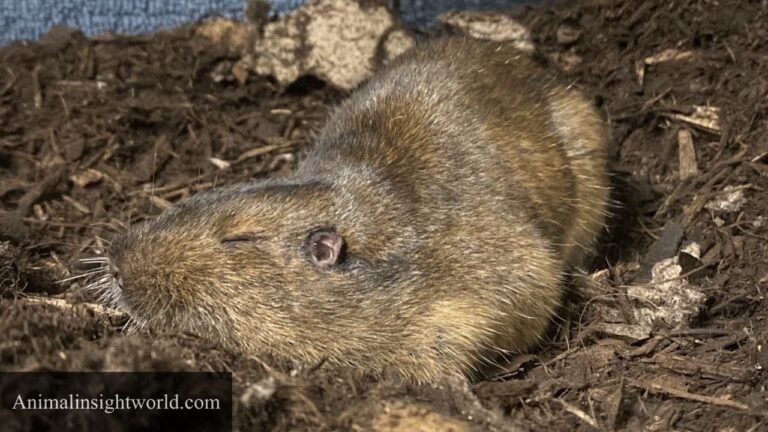
15. Kangaroo Rat
The kangaroo rat has very fast reflexes, able to leap away from a predator in a fraction of a second. It can jump more than a metre in a single bound, and it can change direction in mid-air to confuse a snake or an owl. Kangaroo rats have large hind legs and a long tail for balance, and they have excellent hearing that helps them detect predators in the dark. They live in the deserts of North America, where they feed on seeds and rarely drink water. Their reflexes are essential for survival in the desert, where predators such as owls, snakes, and coyotes hunt at night. Kangaroo rats are nocturnal, emerging at night to forage, and they are constantly alert for danger. Their quick reactions and powerful jumps make them difficult prey, and they are a marvel of desert adaptation.
16. Viper
Vipers have very fast reflexes when striking, able to bite prey in a fraction of a second. Their strike is one of the fastest movements in the animal kingdom, with some species able to strike and return to their original position in less than a tenth of a second. Vipers have heat-sensing pits that help them detect warm-blooded prey in the dark, and they can strike accurately even without seeing their target. Their fangs are hinged, folding back when not in use, and they inject venom that immobilises prey. Vipers are found all over the world, in deserts, forests, and grasslands, and they are ambush predators that wait patiently for prey to come within range. Their fast strike is essential for catching prey before it can escape, and it is a marvel of speed and precision.
17. Squid
The squid has very fast reflexes, able to change colour in a fraction of a second and to jet away from danger by squirting water through its siphon. It has large eyes and a highly developed nervous system, which allows it to react quickly to threats and to communicate with other squid using colour changes. Squids are fast swimmers, able to reach speeds of more than forty kilometres per hour, and they can change direction instantly. They hunt fish and crustaceans, catching them with their tentacles and eating them with their sharp beaks. Squids live in oceans all over the world, from shallow reefs to the deep sea, and they are an important food source for whales, sharks, and other predators. Their fast reflexes are essential for survival in the open ocean, where danger can come from any direction.
18. Jumping Spider
The jumping spider has very fast reflexes, able to leap up to fifty times its own body length to catch prey in a fraction of a second. It has excellent vision, with large front eyes that give it sharp, colour vision, and it can judge distances accurately before it leaps. Jumping spiders do not build webs to catch food; instead, they stalk their prey and then pounce, using a silk safety line to anchor themselves in case they miss. They use hydraulic pressure in their legs to power their jumps, extending their legs suddenly to launch themselves at their target. Jumping spiders are found all over the world, and there are more than six thousand species. Their fast reflexes and excellent vision make them among the most successful hunters in the spider world.
Fast reflexes are a matter of life and death in the animal kingdom, and the eighteen animals in this list show how varied they can be. From the mantis shrimp’s lightning strike to the housefly’s split-second escape, each species has tuned its reactions to the dangers and opportunities of its own life. Some react to catch prey, some to avoid becoming prey, and some to do both at once. What they all share is a nervous system built for speed, and a reminder that in nature, a fraction of a second can make all the difference.
Where They Live and How They Survive
Fast reflexes are a matter of life and death in the animal kingdom, and the animals on this list react faster than any human could. The mantis shrimp strikes with its club-like arms in a few thousandths of a second, faster than a speeding bullet, and the trapdoor spider bursts from its burrow and grabs prey in less than a tenth of a second. The dragonfly catches other insects in mid-air with a success rate above 90 percent, and the housefly can take off and change direction in a fraction of a second when it senses danger.
Other animals on this list react fast in different ways. The domestic cat can twist in mid-air and land on its feet in less than a second, the chameleon shoots its tongue out faster than the eye can follow, and the frog snaps up insects with a tongue that extends in milliseconds. The mongoose can dodge a cobra’s strike by jumping back in a split second, the hummingbird changes direction in an instant, and the viper can strike and return to its coiled position faster than a human can blink. Speed of reaction is a survival skill that cannot be learned: it is built into the nervous system.
Questions People Ask
Which animal has the fastest reflexes on this list?
The mantis shrimp has the fastest strike, with its club-like arms moving so fast they create a shockwave in the water. The trapdoor spider is also remarkably fast, bursting from its burrow and grabbing prey in under a tenth of a second.
How fast can a dragonfly react?
Dragonflies can react to movement in about 30 milliseconds and catch their prey in mid-air with a success rate above 90 percent. Their huge compound eyes and powerful flight muscles let them intercept other insects in flight, predicting where the prey will be rather than chasing where it is.
Why are houseflies so hard to catch?
Houseflies can sense a threat and take off in a fraction of a second, and they can change direction in mid-air almost instantly. Their compound eyes detect movement from almost any direction, and their wings beat hundreds of times a second, letting them escape before a hand can reach them.
Can a mongoose really dodge a cobra’s strike?
Yes. Mongooses are fast enough to jump back and dodge a cobra’s strike, then dart in and bite the snake before it can strike again. Their thick fur and some resistance to venom help, but speed and agility are their main defences.
Final Thoughts
Fast reflexes are a matter of life and death in the animal kingdom, and the eighteen animals on this list react faster than any human could. From the mantis shrimp’s bullet-fast punch to the dragonfly’s mid-air hunting, speed of reaction is a skill built into the nervous system over millions of years. In nature, the fastest reaction often decides who eats and who is eaten.