Top 20 Animals That Start With U
Introduction
Top 20 Animals That Start With U is a journey into one of the rarest corners of the animal kingdom. The letter U gives us only a small group of animal names, yet that small group covers almost every kind of life on Earth. There are monkeys with bright red faces, birds with umbrella shaped crests, spiny sea creatures, wild sheep from the mountains of Asia, lizards that live in deserts, butterflies that flash electric blue, and fish that carry a horn on their forehead. Some of these animals are famous, like the sea urchin and the umbrella cockatoo, while others are so little known that even keen animal lovers have never heard of them. In this guide we meet all twenty, one by one, with real facts about where they live, what they eat, how they survive, and why each one deserves a place on the list. Whether you are a student looking for animals that start with U for a school project, a quiz lover, or simply curious about nature, this list gives you the full picture in one place.
The animals in this list were chosen because their common names genuinely begin with the letter U, and because each one is a real, recognised animal. You will not find made up names here. Every animal below has a scientific name, a real habitat, and a real story. Some live in the rainforests of the Amazon, some in the cold forests of northern Europe, some in the deserts of North Africa, and some in the coral reefs of the Pacific. Together they show how much variety nature can pack into a single letter of the alphabet.
What Makes These Animals Special
Animals that start with U are special because they are uncommon. Most letters of the alphabet give us dozens of animal names, but U gives us only a handful, and that scarcity makes each one more interesting. Many of them have a feature that no other animal has in quite the same way. The bald uakari has a face so red that it works like a health signal. The umbrellabird has a crest that opens like an umbrella and a long wattle that hangs from its throat. The sea urchin wears a shell of spines and walks on tube feet. The uromastyx lives in some of the hottest deserts on Earth and gets most of its water from plants. The Ulysses butterfly is one of the most vivid blue insects in the world, and the unicornfish carries a horn that grows longer as it gets older.
Another thing that makes this group special is how widely it is spread. These twenty animals live on every continent except Antarctica, in rainforests, mountains, deserts, grasslands, rivers, and oceans. Some are active during the day and some only at night. Some are herbivores, some are predators, and some eat almost anything they can find. A few of them, like the Ural owl and the upland sandpiper, are birds that many people have seen without knowing their names. Others, like the urutu snake and the uroplatus gecko, are masters of camouflage that are very hard to spot even when you are looking straight at them. This mix of the familiar and the hidden is what makes the letter U such a rewarding letter to explore.
Several animals on this list also need our help. The bald uakari, the long wattled umbrellabird, and the Uganda kob all face pressure from habitat loss and hunting, and their numbers are falling in parts of their range. Learning their names is a small first step toward caring about them. When people know an animal exists, they are far more likely to support the forests, reefs, and grasslands it depends on. That is one reason lists like this one matter. They turn a letter of the alphabet into a doorway to real conservation.
1. Uakari
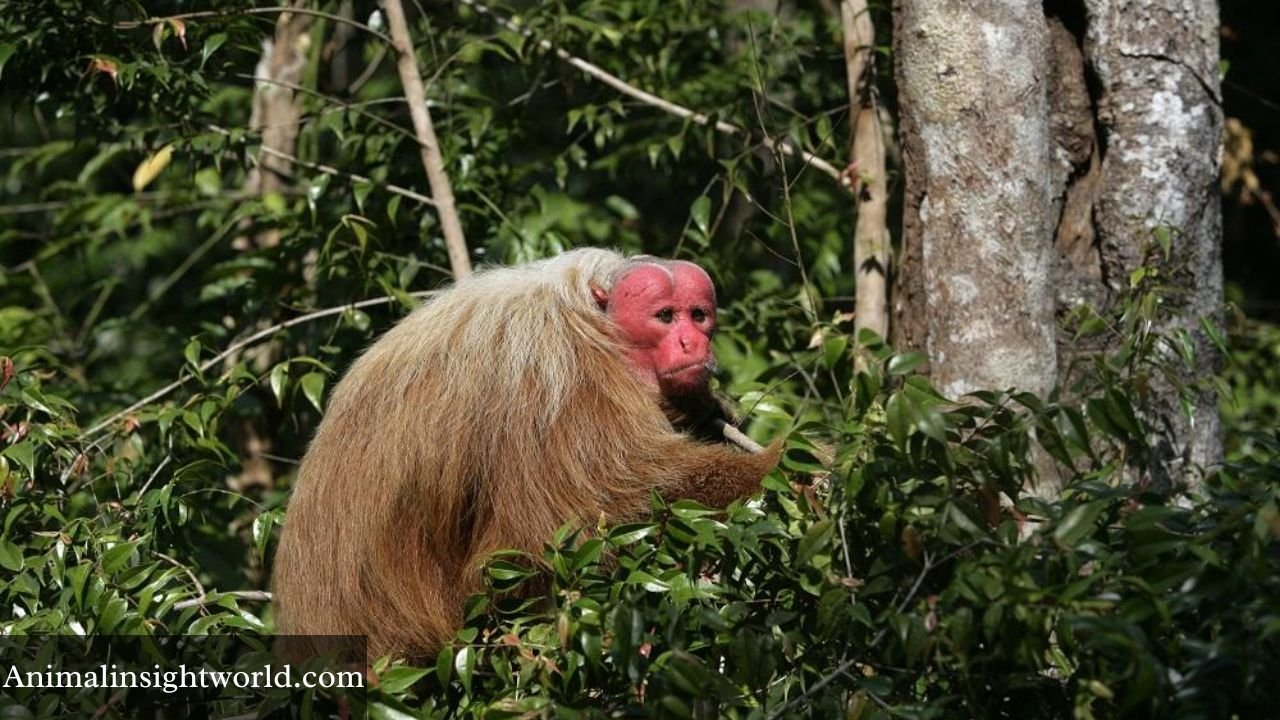
The uakari is a short tailed monkey from the Amazon rainforest, and the bald uakari is the most striking of all. Its face is bright red, its head is bald, and its fur is long and shaggy, usually in shades of white, cream, or orange red. The red face is not just for show. It is a sign of health, because a pale face can mean the monkey is ill or carrying parasites, so other uakaris pay close attention to the colour. Bald uakaris live in the flooded forests of Brazil and Peru, spending most of their lives high in the trees and rarely coming down to the ground. They move through the canopy in groups that can number from ten to thirty animals, and they communicate with a range of calls, from soft grunts to loud barks.
Uakaris eat mainly fruit, seeds, flowers, and leaves, and their strong jaws help them crack open hard seeds that other monkeys cannot manage. Their short tails are unusual for a New World monkey, because most of their relatives have long tails for gripping branches, but uakaris manage perfectly well without one. They are active during the day and sleep in the trees at night, huddled together for warmth and safety. Sadly, the bald uakari is listed as vulnerable, because the flooded forests it depends on are being cleared and hunted. Protecting those forests is the best way to keep this remarkable red faced monkey in the wild.
2. Umbrellabird
The umbrellabird is a large black bird from the rainforests of Central and South America, and it gets its name from the crest on top of its head. When the crest is raised it opens like an umbrella over the front of the bird, and males also carry a long wattle that hangs from the throat like a tie. The long wattled umbrellabird of Ecuador and Colombia is the best known, and its wattle can be more than thirty centimetres long. These birds live in the canopy of humid mountain forests, where they feed on fruit, insects, and small lizards, swallowing fruit whole and later regurgitating the large seeds.
Male umbrellabirds gather at display sites called leks, where they call with deep, booming sounds that carry a long way through the forest. The sound is made with the help of an inflatable pouch in the throat, and it is one of the strangest bird calls in the world. Females visit the leks to choose a mate, then build the nest and raise the single chick alone. The long wattled umbrellabird is listed as vulnerable, because its cloud forest home is being cut into smaller and smaller pieces. Seeing one in the wild is a rare treat, and it is a reminder of how much life the mountain forests hold.
3. Sea Urchin
The sea urchin is a spiny, round animal that lives on the sea floor in oceans all around the world. Its body is covered in sharp spines that protect it from predators, and underneath it has hundreds of tiny tube feet that it uses to move, grip rocks, and pass food to its mouth. The mouth sits on the underside of the body and has five strong teeth, a structure called Aristotle lantern, which it uses to scrape algae from rocks. Sea urchins come in many colours, from purple and red to green and black, and some species are as small as a marble while others grow as wide as a dinner plate.
Sea urchins are grazers, and they play an important role in keeping seaweed and algae under control on rocky reefs. Without them, algae can grow out of control and smother coral and other reef life. They are also food for sea otters, fish, crabs, and starfish, and their spines make them a tricky meal. Some sea urchins are eaten by people too, and their roe, known as uni, is a prized food in Japan and other countries. They have no brain in the way we think of one, but they have a simple nerve ring that coordinates their movement and senses. For an animal with no eyes, they are surprisingly good at sensing light and finding shelter.
4. Urial
The urial is a wild sheep that lives in the mountains and hills of Central Asia, from Iran and Afghanistan to Pakistan and northern India. Rams have large, curved horns that sweep back and out from the head, while ewes have smaller, straighter horns. Their coats are brownish grey in winter and more reddish in summer, which helps them blend into the rocky slopes and dry grasslands where they live. Urials are sure footed climbers and can move across steep, rocky ground with ease, feeding on grasses, leaves, and shrubs in the early morning and late afternoon, and resting in the shade during the heat of the day.
Urials live in herds that change with the season. Females and young stay together in groups, while adult males often live alone or in small bachelor groups outside the breeding season. During the rut, rams compete for ewes by clashing their horns together in contests that can be heard across the hillside. The urial is listed as vulnerable, because its numbers have fallen due to hunting and competition with domestic livestock for grazing land. In Pakistan, the Punjab urial is a protected animal, and conservation projects are working to guard its remaining herds. The urial is a fine example of how wild sheep have adapted to some of the toughest mountain country on Earth.
5. Uromastyx
The uromastyx, also called the spiny tailed lizard, is a desert lizard from North Africa and the Middle East. It has a thick, heavy body, strong legs for digging, and a tail covered in rings of sharp spines, which it swings at predators and wedges into rock crevices to anchor itself in place. Uromastyx lizards are mostly herbivores, eating leaves, seeds, flowers, and fruit, and they get most of the water they need from their food, which is a vital skill in the deserts where they live. They are active during the day, basking in the sun to warm up, then foraging before retreating to a burrow when the heat becomes too strong.
These lizards are famous for their bright colours. Some species have vivid yellow, orange, or blue markings, especially the males, and their colours can change with temperature and mood. A cold uromastyx is often dull and dark, while a warm one can glow with colour. They dig deep burrows that stay cool during the day and warm at night, and they may share a burrow system with other lizards. Uromastyx lizards are also popular in the pet trade, which has put pressure on wild populations in some areas. In the wild, they are an important part of desert food webs, both as grazers and as prey for birds of prey and snakes.
6. Ulysses Butterfly
The Ulysses butterfly is one of the most beautiful butterflies in the world, with wings of electric blue edged in black. It lives in the rainforests of northern Australia, New Guinea, and nearby islands, and it is the emblem of tourism in Queensland, where it is a common sight around Cairns. The bright blue colour comes not from pigment but from the way tiny scales on the wings reflect light, so the butterfly seems to glow as it flies through sunlit forest clearings. Males are more vividly blue than females, and they often fly high in the canopy, coming down to feed on flowers or to drink from damp ground.
Ulysses butterflies lay their eggs on the leaves of particular trees, and the caterpillars feed on the leaves of plants in the laurel family. The caterpillars are green and spiny, and they pupate in a chrysalis that hangs from a leaf or twig. Adults feed on nectar from flowers, and they are strong fliers that can travel long distances between patches of rainforest. The butterfly is not considered threatened, but it depends on intact rainforest, and protecting that forest keeps the Ulysses flying. For many visitors to Queensland, a flash of blue wings in the rainforest is one of the most memorable sights of the trip.
7. Unicornfish
The unicornfish is a tropical reef fish named for the horn that grows from the forehead of adults. The bluespine unicornfish is the best known, and its horn starts as a small bump in young fish and grows into a prominent spike as the fish matures. It is not used as a weapon. Scientists believe it may help the fish blend in with the reef, or play a role in display and communication. Unicornfish are part of the surgeonfish family, and they have sharp, blade like spines on either side of the tail, which they use to defend themselves.
Unicornfish live on coral reefs across the Indo Pacific, from East Africa to Hawaii, feeding mainly on algae and plankton. They are important grazers on the reef, because they keep algae from overgrowing the coral. They are also a food fish in many Pacific island communities, where they are caught by spear and net. Unicornfish can grow to more than half a metre long, and they often swim in small groups over the reef slope. At night they rest in crevices, and their colour can darken as they sleep. The horn, the tail blades, and the grazing habit together make the unicornfish one of the most distinctive fish on the reef.
8. Upland Sandpiper
The upland sandpiper is a tall, long necked shorebird that, unlike most of its relatives, prefers dry grassland to the shore. It breeds in the prairies and grasslands of North America, from Alaska and Canada down to the central United States, and it migrates to South America for the winter. It has a mottled brown back, a pale belly, long yellow legs, and a small head with a short bill, and it is often seen standing upright on a fence post or rock, scanning the grassland around it. Its call is a beautiful, wolf like whistle that floats across the prairie on summer evenings.
Upland sandpipers feed on insects, especially grasshoppers, crickets, and beetles, which they pick from the ground or catch in the air. They nest on the ground in a shallow scrape hidden in the grass, and both parents care for the chicks, which can feed themselves soon after hatching. The species declined sharply in the past when grasslands were ploughed up, but it has recovered in some areas where grassland is protected or restored. It is a reminder that shorebirds are not only birds of the beach, and that prairies have their own special bird life.
9. Urson
The urson is the North American porcupine, and its old name comes from the French word for bear cub. It is the second largest rodent in North America, after the beaver, and it is covered in around thirty thousand quills. The quills are modified hairs with barbed tips, and they detach easily when a predator touches the porcupine, sticking into the attacker and making it think twice about trying again. The urson is a slow, deliberate climber, and it spends much of its life in trees, eating leaves, twigs, buds, and bark, especially in winter when other food is scarce.
Ursons are mostly active at night, and they are good swimmers too, with hollow quills that help them float. They do not shoot their quills, despite the old myth, but a swat of the tail can drive quills into an unwary animal. They are solitary for most of the year, except for mothers with young, and they den in hollow trees, rock crevices, or burrows. Fishers are one of the few predators that can kill a porcupine regularly, by flipping it over to attack the unprotected belly. The urson is a peaceful animal that asks only to be left alone, and its quills are one of the best defences in the mammal world.
10. Ural Owl
The Ural owl is a large, pale grey owl from the forests of northern Europe and Asia. It has a long tail, a round head with no ear tufts, and dark eyes set in a pale face, and it is bigger than the tawny owl but smaller than the great grey owl. It hunts mainly at night, listening for voles, mice, and shrews in the forest floor, and it can catch prey in complete darkness by sound alone. During the day it roosts in a tree, often close to the trunk, where its grey plumage blends in with the bark.
Ural owls nest in tree holes or old nests, and they are fiercely protective of their young, diving at people and animals that come too close. They are also unusual among owls because they sometimes hunt during the day, especially when feeding hungry chicks. In Finland and other northern countries, nest boxes have helped the species a great deal, because natural tree holes are often in short supply in managed forests. The Ural owl is a quiet hunter of the northern woods, and its soft hooting is one of the sounds of a healthy forest.
11. Uguisu
The uguisu is the Japanese bush warbler, a small brown bird with a loud and beautiful song that is famous in Japan. Its Japanese name means bush warbler, and its song, often written as hoo hokekyo, is one of the first sounds of spring in Japan. The bird itself is plain to look at, with olive brown upper parts and a pale belly, and it is much more often heard than seen, because it sings from deep inside bushes and bamboo thickets. The uguisu lives in Japan, China, Korea, and parts of Russia, and it prefers scrub, bamboo, and forest edges.
The uguisu has a special place in Japanese culture. Its song is celebrated in poetry, and the bird appears in art and stories as a sign that spring has arrived. In the past, people kept uguisu in cages for their song, but today the bird is best enjoyed in the wild. It feeds on insects and other small invertebrates, picking them from leaves and branches, and it also eats some berries. The nest is a cup built low in a bush, and the female lays three to five eggs. The uguisu proves that a bird does not need bright feathers to be loved, because its voice alone has made it famous.
12. Uinta Ground Squirrel
The Uinta ground squirrel is a small, grey brown squirrel that lives in the mountains of the western United States, in Utah, Wyoming, Idaho, and Montana. It is named after the Uinta Mountains, and it lives in open meadows, sagebrush, and mountain valleys, where it digs burrows with several entrances. These squirrels are famous for their long hibernation. They can spend eight to nine months of the year asleep underground, emerging only for a short summer season to feed, breed, and raise their young before going back to sleep.
During their brief active season, Uinta ground squirrels eat grasses, seeds, flowers, and insects, storing fat that will carry them through the long winter. They are social animals, and their colonies can be noisy places, with alarm calls that warn the whole group when a hawk or coyote is near. Females give birth to litters of five to seven pups in a grass lined nest chamber deep in the burrow. Their short active season is one of the most extreme schedules of any mammal, and it shows how animals can adapt to mountain winters that last most of the year.
13. Umbrella Cockatoo
The umbrella cockatoo, also called the white cockatoo, is a large white parrot from the islands of Indonesia. It gets its name from the broad crest on its head, which fans out like an umbrella when the bird is excited, alarmed, or showing off. The crest feathers are white with a yellow tinge at the base, and the undersides of the wings and tail are pale yellow. Umbrella cockatoos are intelligent and social, and in the wild they live in pairs or small flocks, feeding on seeds, nuts, fruit, and insects in the rainforest canopy.
These cockatoos are known for their loud calls, which can carry for a long distance, and for their strong bonds with a mate. Pairs preen each other and stay together for many years. Sadly, the umbrella cockatoo is listed as endangered, because it has been trapped heavily for the pet trade and its forest home is being cleared. Many birds are now kept as pets, where they need a great deal of attention, space, and enrichment, and they can live for fifty years or more. In the wild, protecting the forests of the Maluku Islands is the key to the future of this striking white parrot.
14. Upland Goose
The upland goose is a large goose from southern South America, found in Patagonia, the Falkland Islands, and Tierra del Fuego. Males are white with black bars on the wings, while females are a rich chestnut brown with a black barred body, so the two sexes look very different from each other. Unlike most geese, the upland goose spends most of its time on dry grassland rather than near water, grazing on grasses and other plants in open pasture and steppe. It is a strong flier and a wary bird, and flocks often post a lookout while the rest of the flock feeds.
Upland geese nest on the ground in a scrape lined with grass and down, usually near water, and both parents defend the goslings fiercely. They are common in the Falkland Islands, where they are a familiar sight on the grasslands, and they are also found in large numbers in southern Argentina and Chile. Farmers sometimes see them as pests because they graze on pasture, but they are part of the natural life of the Patagonian steppe. The upland goose is a good reminder that geese are not only birds of lakes and rivers, but also birds of the open grassland.
15. Unicorn Beetle
The unicorn beetle is a kind of rhinoceros beetle, named for the long horn that grows from the head of the male. The horn is used in contests with other males, who push and lift each other in battles over mates and feeding sites. These beetles are strong for their size, and some rhinoceros beetles can lift many times their own body weight, which has made them famous in studies of animal strength. Unicorn beetles live in tropical and subtropical forests, where the larvae feed on rotting wood and leaf litter, and the adults feed on sap, fruit, and nectar.
The larvae, which are large white grubs, live in decaying logs for months or even years, breaking down dead wood and returning nutrients to the forest floor. This makes them important recyclers in the forest. Adult unicorn beetles are mostly active at night and are attracted to lights, which is how many people first see them. They are harmless to people, despite their fearsome horn, and they are popular with insect collectors and in some countries as pets. The unicorn beetle shows that a horn is not only for big animals like rhinos, because some of the most impressive horns in nature belong to insects.
16. Upside Down Catfish
The upside down catfish is a small freshwater fish from the rivers of Central Africa, and it is famous for swimming upside down. Most of the time it swims with its belly facing up, which is the opposite of almost every other fish. This strange habit helps it feed on insects and other food floating on the surface of the water, and the dark colour on its belly, which is normally the palest part of a fish, helps it blend in when seen from below. When it swims the normal way round, it looks odd, because its belly is darker than its back.
Upside down catfish live in slow moving rivers and streams in the Congo Basin, where they feed on insects, crustaceans, and plant matter. They are social fish that live in groups, and they are popular in home aquariums, where their upside down swimming never fails to surprise visitors. They grow to about ten centimetres long, and they are peaceful fish that do well in a community tank. Scientists believe the upside down habit evolved because it lets the fish feed more easily on the underside of floating leaves and on the water surface, a niche that few other fish use.
17. Uganda Kob
The Uganda kob is a medium sized antelope from the grasslands and wetlands of central Africa, found in Uganda, South Sudan, and the Democratic Republic of Congo. Males have lyre shaped horns that curve back and up, while females have no horns. Their coats are reddish brown with white markings on the throat and around the eyes, and white patches on the rump. Uganda kob live in herds on open grassland near water, feeding on grasses, and they are a favourite prey of lions, leopards, and hyenas, so they are always alert.
Uganda kob are famous for their leks, where males gather on small territories and display to females, much like the umbrellabird does. A lek can have dozens of males, each defending a tiny patch of ground, and females visit to choose a mate. This is one of the most unusual mating systems among antelopes, and it makes the Uganda kob a favourite animal for wildlife watchers in Queen Elizabeth National Park and Murchison Falls National Park. The species is listed as near threatened in some areas, because its grassland home is under pressure from farming and settlement. Protecting those grasslands keeps the kob, and the lions that hunt them, in the wild.
18. Ural Field Mouse
The Ural field mouse is a small rodent that lives in the forests and forest edges of Eastern Europe and western Asia, from Poland and the Baltic states east to the Ural Mountains and beyond. It is a small, brown mouse with a pale belly and large ears, and it looks very similar to its close relative, the yellow necked mouse, though it is a little smaller and lacks the yellow patch on the throat. It lives in woodland, scrub, and hedgerows, where it feeds on seeds, nuts, berries, and insects, and it stores food in underground burrows for the winter.
Ural field mice are mainly active at night, and they are good climbers, often foraging in bushes and low trees as well as on the ground. They are an important food for owls, including the Ural owl, as well as for foxes, weasels, and snakes, so they are a key part of the forest food web. Females can have several litters in a year, each with four to seven young, which helps the population recover quickly after a hard winter. The Ural field mouse may be small and rarely seen, but it plays a big role in the life of the northern forests.
19. Uroplatus
Uroplatus is the name of a group of leaf tail geckos from Madagascar, and they are some of the best camouflaged animals in the world. The common flat tail gecko has a flattened body, a tail shaped like a leaf, and mottled brown and grey skin that matches tree bark so well that the gecko can vanish against a trunk. During the day it rests flat against a tree, with its eyes closed and its body pressed tight to the bark, and at night it wakes to hunt insects. It has large eyes with vertical pupils, and it can change its colour slightly to match its background.
Uroplatus geckos have no eyelids, so they lick their eyes clean with their tongues, and their toes have tiny adhesive pads that let them climb smooth bark and even glass. They are found only in Madagascar, and many species live in only a small area of forest, which makes them vulnerable to deforestation. The leaf tail gecko is a favourite with reptile lovers, but it is a delicate animal that needs its forest home. Seeing one in the wild is a test of patience, because even when you know it is there, it can take minutes to spot it.
20. Urutu
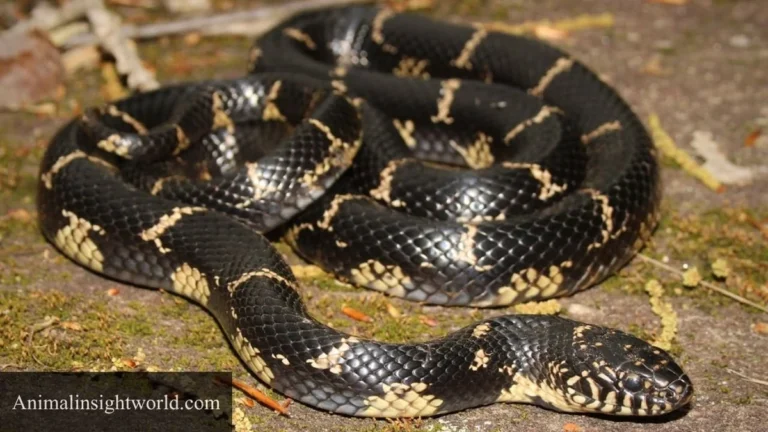
The urutu is a venomous pit viper from South America, found in Brazil, Uruguay, Paraguay, and Argentina. Its scientific name is Bothrops alternatus, and it is also called the cross viper, because of the dark cross shaped markings along its back. It is a heavy bodied snake that can grow to more than a metre long, and it lives in grasslands, marshes, and forest edges, where it hunts rodents, frogs, and birds. Like other pit vipers, it has heat sensing pits on its face that help it find warm blooded prey in the dark.
Urutu snakes are mainly active at night, and during the day they rest in burrows or under vegetation. They are shy animals that prefer to avoid people, and they usually only bite when stepped on or cornered. Their venom is strong, and a bite needs medical care, so people who live in urutu country learn to watch where they step and to wear boots in tall grass. The urutu plays an important role in controlling rodent numbers, and it is part of the rich wildlife of the South American grasslands. It closes our list with a reminder that animals that start with U include some of the most secretive and specialised creatures on the planet.
Surprising Facts
Some of the most surprising facts about animals that start with U are about their bodies. The bald uakari has a red face that changes colour with its health, so a bright red face means a healthy monkey and a pale face can mean sickness. The sea urchin has five teeth arranged in a circle, and it can live for more than a hundred years in some species, which makes it one of the longest lived animals on the sea floor. The unicorn beetle can lift many times its own weight, and the upside down catfish swims the wrong way up on purpose, because it helps it feed. The uroplatus gecko has no eyelids and licks its own eyes clean, and the Ulysses butterfly gets its blue colour not from pigment but from light bouncing off tiny scales.
Other surprises are about behaviour. The Uganda kob gathers in leks where dozens of males display on tiny territories, which is rare among antelopes. The Uinta ground squirrel sleeps for eight to nine months of the year, which is one of the longest hibernations of any mammal. The umbrellabird makes a deep booming call that sounds more like a foghorn than a bird. The urson carries around thirty thousand quills, yet it is a peaceful animal that only uses them when it has to. The Ural owl can catch a mouse in complete darkness by sound alone, and the upland sandpiper is a shorebird that prefers dry grassland to the shore. Each of these facts shows that the animals on this list are not just names on a page, but living creatures with remarkable ways of surviving.
A third group of surprises is about where these animals live. The uakari lives in flooded forest that is under water for part of the year, the uromastyx lives in deserts so hot that most animals would die in hours, and the Uinta ground squirrel lives in mountains where winter lasts most of the year. The sea urchin lives from shallow rock pools to the deep sea, the unicornfish lives on coral reefs, and the urutu lives in the grasslands of South America. Together they cover almost every habitat on Earth, from the hottest desert to the coldest northern forest, and from the top of the rainforest canopy to the bottom of the ocean.
Frequently Asked Questions
How many animals start with the letter U?
There are only a few dozen animals whose common names start with U, which is far fewer than most letters of the alphabet. This list covers twenty of the best known and most interesting, from the uakari and the umbrellabird to the sea urchin and the Ural owl. New names do appear from time to time as scientists describe new species, but U will always be one of the shortest lists in the animal kingdom.
What is the most famous animal that starts with U?
The most famous animal that starts with U is probably the bald uakari, because of its bright red face, or the sea urchin, which almost everyone has seen on a beach or in an aquarium. The umbrella cockatoo is also well known as a pet, and the Ulysses butterfly is famous in Australia. Which one is most famous depends on where you live, but the uakari and the sea urchin are the two that most people recognise first.
Is the unicornfish a real animal?
Yes, the unicornfish is a real fish, and its name comes from the horn that grows on the forehead of adults. The bluespine unicornfish is the best known species, and it lives on coral reefs across the Indo Pacific. The horn is not a weapon, and scientists believe it may help with display or camouflage. It is one of several real animals with unicorn in the name, along with the unicorn beetle.
Are any animals that start with U endangered?
Yes, several are. The bald uakari is listed as vulnerable, the long wattled umbrellabird is vulnerable, and the umbrella cockatoo is endangered, mainly because of habitat loss and trapping for the pet trade. The urial is also listed as vulnerable. Protecting forests, grasslands, and reefs is the best way to help all of them, because each one depends on a healthy habitat.
Which animal that starts with U makes the best pet?
Of the animals on this list, the upside down catfish is the most suitable pet, because it is small, peaceful, and does well in a community aquarium. The umbrella cockatoo is kept as a pet by some people, but it needs a huge amount of time, space, and attention, and it can live for fifty years, so it is not a pet to take on lightly. Most of the animals on this list, including the uakari, the umbrellabird, and the Ural owl, belong in the wild and should never be kept as pets.
Conclusion
Top 20 Animals That Start With U shows that even the shortest letter in the animal alphabet can hold a world of variety. From the red faced uakari in the Amazon to the Ural owl in the northern forests, from the sea urchin on the ocean floor to the Ulysses butterfly in the Australian rainforest, these twenty animals cover monkeys, birds, fish, reptiles, insects, and mammals. They live in rainforests, deserts, mountains, grasslands, rivers, and oceans, and they survive in ways that are often surprising, from swimming upside down to sleeping for nine months of the year.
If this list has a lesson, it is that rare letters are worth exploring. The animals that start with U may be few in number, but they are rich in stories, and each one opens a window onto a habitat worth protecting. The next time you hear the name uakari, umbrellabird, or uroplatus, you will know the animal behind the name, and you will know why it matters. Share this list with a student, a quiz team, or a fellow animal lover, and keep exploring, because every letter of the alphabet has its own hidden wildlife waiting to be found.