Do Penguins Fly? 15 Amazing Penguin Facts
Do Penguins Fly? 15 Amazing Penguin Facts gives you the short answer first: no, penguins cannot fly in the air, but yes, they fly underwater, and they do it beautifully. Penguins are flightless birds, which means their wings have changed over millions of years from tools for flying through the air into powerful flippers for swimming through the sea. On land they waddle, hop, and toboggan on their bellies, but in the water they are fast, graceful, and completely at home. In this guide you will learn where penguins live, how they survive in some of the coldest places on Earth, and 15 amazing facts that show why these tuxedo wearing birds are some of the most loved animals in the world.
Where Penguins Live: A Habitat First Look
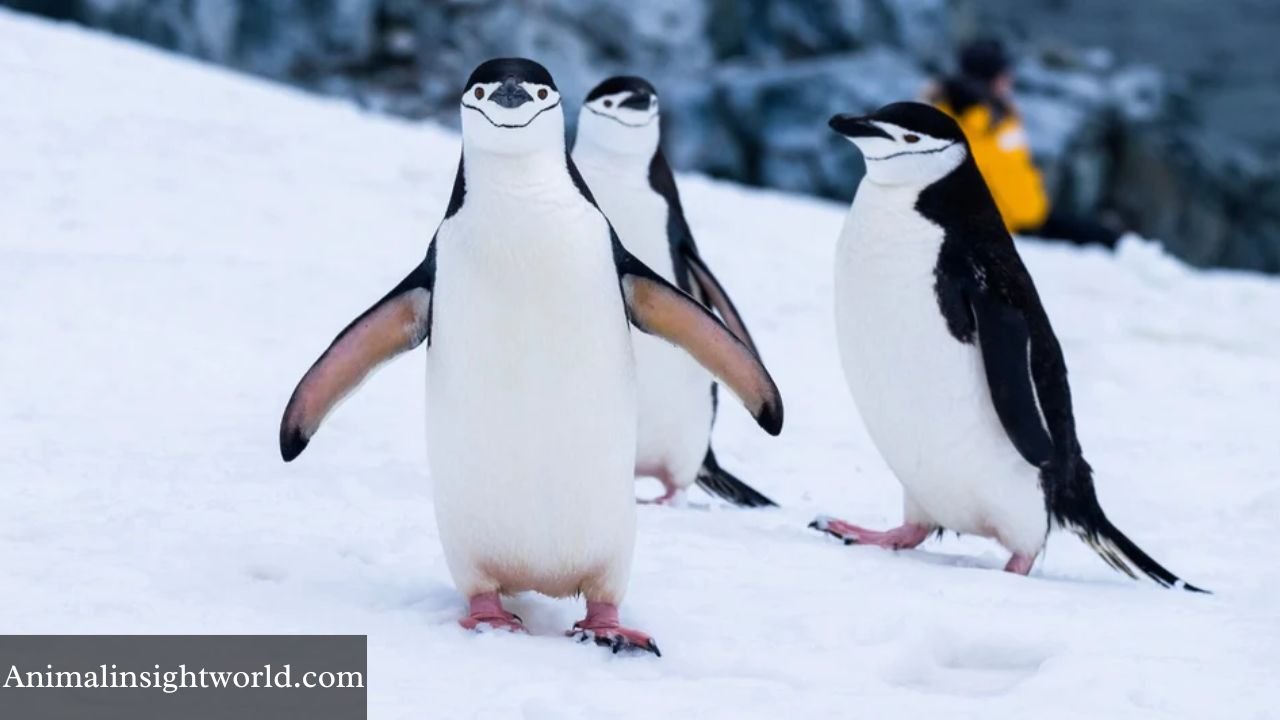
Most people picture penguins standing on Antarctic ice, and many of them do live there, but penguins actually live across the whole Southern Hemisphere, from Antarctica to the coasts of South America, Africa, Australia, and New Zealand. There are 18 species of penguin, and each one has its own home. Emperor penguins and Adelie penguins live on and around Antarctica, braving temperatures that can fall below minus 60 degrees Celsius. King penguins live on sub Antarctic islands such as South Georgia, where huge colonies gather on beaches. Gentoo penguins live on the Antarctic Peninsula and nearby islands, and chinstrap penguins live on rocky Antarctic shores.
Not all penguins live in the cold. Galapagos penguins live on the Galapagos Islands, right on the equator, making them the only penguins that live north of the equator. African penguins live on the warm coasts of South Africa and Namibia, where they nest in burrows to escape the heat. Little blue penguins, the smallest penguins in the world, live on the coasts of Australia and New Zealand, coming ashore at night after a day of fishing. Humboldt penguins live on the rocky coasts of Peru and Chile, where the cold Humboldt current brings rich feeding grounds close to shore. Wherever they live, penguins depend on the sea for food and on safe land for breeding, and they are all vulnerable to changes in the ocean, to overfishing, and to a warming climate.
How Penguins Stay Warm in the Cold
Penguins survive in freezing conditions thanks to a remarkable set of adaptations. Their feathers are short, dense, and overlapping, like the tiles on a roof, and they trap a layer of air close to the skin that acts as insulation. Under the skin, a thick layer of fat keeps the cold out and stores energy for the long winter. Penguins also have a special system in their legs and flippers, in which warm blood flowing out to the limbs passes close to cold blood flowing back, so heat is recycled rather than lost. Emperor penguins take this even further, huddling together in huge groups during the Antarctic winter, with thousands of birds packed shoulder to shoulder, slowly rotating so that each bird takes a turn in the cold outer ring and a turn in the warm centre.
Penguins also have a salt gland above each eye, which lets them drink seawater and excrete the extra salt through their nose. Their bones are solid rather than hollow, which helps them dive deep and stay down, and their eyes are adapted to see clearly underwater. On land, penguins can look clumsy, but every part of their body is designed for life in the sea, and for surviving in places where few other birds could live at all.
Fact 1: Penguins Cannot Fly in the Air
Penguins are flightless birds, which means they cannot fly through the air like a sparrow or an eagle. Their wings have evolved into stiff, flat flippers that are perfect for swimming but useless for flying. A penguin’s wing bones are solid and fused, and its feathers are short and scale like, forming a smooth surface that cuts through water. If a penguin tried to fly in the air, its wings would not lift it, but in the water, those same wings let it speed along at up to 35 kilometres per hour. Scientists believe that penguins gave up flying in the air millions of years ago, because swimming was more useful for catching fish and escaping seals in the Southern Ocean.
Fact 2: Penguins Fly Underwater
When a penguin swims, it really does fly, just underwater instead of in the air. Penguins flap their flippers in the same motion that a flying bird uses, and they steer with their feet and tail. They can dive to depths of more than 500 metres, and they can stay underwater for up to 20 minutes on a single breath. Gentoo penguins are the fastest swimmers, reaching speeds of 36 kilometres per hour, while emperor penguins are the deepest divers. Underwater, penguins chase fish, krill, and squid, twisting and turning with a grace that makes their waddling walk on land seem like a joke. Watching a penguin underwater is like watching a bird fly through a blue sky, and it is one of the great sights of the natural world.
Fact 3: There Are 18 Species of Penguin
There are 18 recognised species of penguin, ranging from the emperor penguin, the largest, which stands about 1.1 metres tall and weighs up to 40 kilograms, to the little blue penguin, the smallest, which stands about 33 centimetres tall and weighs about 1 kilogram. The 18 species are the emperor, king, Adelie, chinstrap, gentoo, little blue, yellow eyed, African, Humboldt, Magellanic, Galapagos, Fiordland, Snares, erect crested, southern rockhopper, northern rockhopper, royal, and macaroni penguins. Each species has its own look, its own call, and its own home, and some, like the yellow eyed penguin of New Zealand, are among the rarest penguins in the world. The macaroni penguin gets its name from its bright yellow orange crest, which reminded early explorers of the fancy hats worn by fashionable young men called macaronis in the 18th century.
Fact 4: Emperor Penguins Breed in the Antarctic Winter
Emperor penguins do something no other penguin does: they breed in the middle of the Antarctic winter, when temperatures can fall to minus 60 degrees Celsius and winds can reach 200 kilometres per hour. The female lays a single egg in May or June, and then she passes it to the male and returns to the sea to feed. The male balances the egg on his feet, tucked under a fold of warm belly skin, and he does not eat for about two months while he incubates it. He survives on his fat reserves, losing up to half his body weight, and he huddles with thousands of other males to keep warm. When the chick hatches, the female returns, and the parents take turns feeding and protecting it until it is old enough to swim.
Fact 5: Penguins Mate for Life, Mostly
Many penguins form strong pair bonds, and some species, such as the emperor penguin and the gentoo penguin, often stay with the same partner for many years. Penguins usually return to the same breeding colony each year, and they recognise their partner by voice, even in a colony of thousands of birds. However, penguins are not always faithful for life, and if a partner does not return, or if a breeding season fails, a penguin may choose a new partner. The bond is practical as well as romantic, because raising a chick takes two parents, one to guard the nest and one to bring back food, and a good team has a better chance of success.
Fact 6: A Penguin Chick Can Recognise Its Parents by Voice
In a colony of thousands of penguins, all calling at once, how does a chick find its parents? The answer is voice. Each penguin has a unique call, and chicks learn to recognise their parents’ voices within days of hatching. When a parent returns from the sea with food, it calls, and its chick answers, and the two find each other in the crowd. This is especially important for emperor penguin chicks, which gather in large creches, or nurseries, while both parents are away fishing. The system works so well that a parent can find its own chick among thousands of others, just by listening.
Fact 7: Penguins Toboggan on Their Bellies
Penguins have a clever way of travelling across snow and ice: they toboggan. A penguin will lie on its belly and push itself along with its flippers and feet, sliding smoothly across the ice. Tobogganing is faster than waddling, and it uses less energy, which matters in a place where every calorie counts. Penguins also slide down snowy slopes for fun, or at least it looks like fun to us, and they use their beaks and claws to steer and to stop. On steep slopes, they may even jump from one ledge to another, tucking their flippers in tight. Tobogganing is one of the most charming sights in Antarctica, and it shows how well penguins have adapted to life on ice.
Fact 8: Penguins Eat Krill, Fish, and Squid
Penguins are carnivores, and they eat mainly krill, small shrimp like crustaceans, fish, and squid. Adelie and chinstrap penguins eat mostly krill, while emperor penguins eat more fish and squid. A penguin can eat up to 1 kilogram of food in a single day, and during the breeding season, parents may travel hundreds of kilometres to find food for their chicks. Penguins catch their prey underwater, using their sharp beaks and the spiny tongues that help them grip slippery fish. They swallow their food whole, and they can drink seawater, thanks to the salt glands above their eyes that filter out the salt. Krill is the foundation of the Antarctic food web, and penguins, seals, and whales all depend on it, which is why protecting krill is so important for the whole Southern Ocean.
Fact 9: Penguins Moult All Their Feathers at Once
Once a year, penguins moult, which means they shed all their old feathers and grow new ones. Unlike most birds, which moult a few feathers at a time and keep flying, penguins lose all their feathers at once, and they cannot swim while they are moulting, because their feathers are no longer waterproof. For two to four weeks, they must stay on land, fasting and waiting for their new feathers to grow. During this time they lose a lot of weight, and they look scruffy and patchy, with old feathers hanging off them in tufts. Before moulting, a penguin eats as much as it can, building up fat reserves to survive the fast. Once the new feathers are in place, the penguin returns to the sea, sleek and waterproof again.
Fact 10: Penguins Can Drink Seawater
Penguins spend most of their lives at sea, and they need to drink, but there is no fresh water in the ocean. Penguins solve this problem with a special salt gland, called the supraorbital gland, which sits above each eye. The gland filters extra salt out of the blood and excretes it as a concentrated salty solution, which drips out of the penguin’s nostrils. You can sometimes see a penguin sneeze or shake its head, and that is often the salt gland at work. This adaptation lets penguins drink seawater and eat salty fish without getting dehydrated, and it is shared by many other seabirds, including albatrosses and petrels.
Fact 11: The Little Blue Penguin Is the Smallest
The little blue penguin, also called the fairy penguin, is the smallest penguin in the world. It stands about 33 centimetres tall and weighs about 1 kilogram, which is about the same as a bag of sugar. It lives on the coasts of Australia and New Zealand, and it is a beautiful slate blue colour on its back, with a white belly. Little blue penguins come ashore at night after a day of fishing, and in places like Phillip Island in Australia, visitors gather at dusk to watch the penguin parade, as hundreds of little penguins waddle up the beach to their burrows. They nest in burrows, rock crevices, and even under houses, and they are vulnerable to dogs, cats, and cars, which is why many communities protect their nesting areas.
Fact 12: Penguins Have Excellent Underwater Vision
Penguins need to see clearly underwater to catch fish and avoid predators, and their eyes are specially adapted for it. On land, a penguin’s vision is good but not exceptional, but underwater, their eyes adjust to the different way light bends in water, and they can spot a small fish or a krill swarm from a distance. Their pupils can contract to a tiny size in bright light and open wide in the dark depths, and they have a special lens that focuses light sharply underwater. Penguins also have a third eyelid, called a nictitating membrane, which protects the eye while swimming. This is one of the reasons penguins are such successful hunters, even in the cold, dark waters of the Southern Ocean.
Fact 13: Rockhopper Penguins Have Spiky Yellow Crests
Rockhopper penguins are named for the way they move: instead of waddling, they hop from rock to rock, using both feet at once to jump up steep, rocky slopes. They live on sub Antarctic islands, and they are easy to recognise by their spiky yellow and black crests, their red eyes, and their red beaks. Rockhopper penguins are feisty birds, and they will defend their nests fiercely, pecking and flapping at intruders. They usually lay two eggs, but the first egg is smaller and often does not survive, and the second chick gets most of the parents’ attention. Despite their small size, rockhoppers are tough birds, living in some of the windiest and roughest places on Earth.
Fact 14: Penguins Are Vulnerable to Climate Change
Penguins depend on sea ice and cold ocean currents, and climate change is changing both. As the Antarctic warms, sea ice is shrinking, and krill, which depends on sea ice for its food, is becoming scarcer. Emperor penguins, which breed on sea ice, are losing their breeding platforms, and Adelie penguins are being pushed south as their habitat warms. In warmer places, such as South Africa and Peru, penguins face warming seas, overfishing, and oil spills. Many penguin species are now listed as vulnerable, endangered, or near threatened, and conservation groups are working to protect their breeding colonies, reduce fishing pressure on krill, and tackle climate change. The fate of penguins is a warning about the health of the Southern Ocean, and about how quickly a changing climate can affect wildlife.
Fact 15: Penguins Are Excellent Divers
Penguins are among the best diving birds in the world. Emperor penguins can dive to depths of more than 500 metres, and they can stay underwater for up to 20 minutes. Their solid bones help them sink, their streamlined bodies reduce drag, and their blood and muscles store extra oxygen for long dives. Before a deep dive, a penguin takes a deep breath and fills its air sacs, and during the dive, its heart rate slows to save oxygen. Penguins also have a special ability to tolerate the pressure of deep water, which would crush a human diver. When they return to the surface, they often leap out of the water like a dolphin, a behaviour called porpoising, which helps them breathe and travel faster. It is a spectacular sight, and it shows just how much of a penguin’s life happens beneath the waves.
How You Can Help Penguins
You do not need to travel to Antarctica to help penguins. You can support organisations that protect penguin colonies and the Southern Ocean, choose seafood that is caught in a sustainable way, and reduce your use of single use plastic, which can end up in the sea and harm penguins and other marine animals. If you visit a penguin colony, keep your distance, stay quiet, and follow the guidance of local rangers, because penguins are easily disturbed when they are breeding. Learning about penguins and sharing what you learn is also a form of help, because the more people understand these birds, the more likely we are to protect the oceans they depend on for their survival.
Frequently Asked Questions About Penguins
Can penguins fly at all?
Penguins cannot fly in the air, because their wings have evolved into flippers for swimming. They are flightless birds, but they are excellent swimmers, and they fly underwater with the same flapping motion that other birds use in the air. So the answer is no in the air, and yes in the water.
Do penguins live only in Antarctica?
No, penguins live across the Southern Hemisphere, not only in Antarctica. They live in South America, Africa, Australia, New Zealand, and the Galapagos Islands, and only some species live in Antarctica itself. The Galapagos penguin even lives on the equator.
What do penguins eat?
Penguins eat krill, fish, and squid, and the exact mix depends on the species and where it lives. Adelie and chinstrap penguins eat mostly krill, while emperor penguins eat more fish and squid. They catch their food underwater and swallow it whole.
How long do penguins live?
Penguins live for about 15 to 20 years in the wild, depending on the species. Emperor penguins can live for more than 20 years, and little blue penguins usually live for about 6 to 7 years. In captivity, penguins can live longer, because they are protected from predators and have a reliable food supply.
Are penguins endangered?
Many penguin species are in trouble. The yellow eyed penguin, the Galapagos penguin, and the African penguin are endangered, and several others are vulnerable or near threatened. The main threats are climate change, overfishing of krill and fish, oil spills, and disturbance at breeding colonies. Protecting penguins means protecting the Southern Ocean and the coasts where they breed.
Final Thoughts on Penguins
Do Penguins Fly? 15 Amazing Penguin Facts has shown that the answer is more interesting than a simple yes or no. Penguins gave up the sky for the sea, and they became some of the most skilled swimmers in the animal kingdom. They survive in the coldest places on Earth, raise their chicks in the dark Antarctic winter, and recognise each other by voice in colonies of thousands. They are funny, tough, and beautiful, and they are also a warning sign for the health of our oceans. If we protect the sea ice, the krill, and the coasts where penguins breed, we protect not just penguins, but the whole Southern Ocean. The next time you see a penguin waddling on land, remember that beneath the water, it is flying.