Top 20 Animals That Start With Z
Introduction
Top 20 Animals That Start With Z is a list that proves the last letter of the alphabet still hides a surprising amount of wildlife. Z is one of the rarest starting letters in the animal kingdom, and yet it covers zebras on the African savanna, sharks on coral reefs, tiny spiders in Australian gardens, and a monkey that lives only on one small island off the coast of Tanzania. This article counts down twenty real animals that start with Z, explains where each one lives, how big it grows, what it eats, and what makes it worth knowing. Whether you are a student working on an alphabet project, a trivia fan, or someone who simply loves animals, this list shows that Z punches far above its weight.
One reason Z animals are so much fun is the stripe. The word zebra gave scientists a ready label for any animal with bold black and white bands, and the result is a list full of striped fish, striped butterflies, striped spiders and striped lizards. Yet the Z list is not only about stripes. It also holds the zebu, the zorilla and the zonkey, animals whose names come from African languages, Arabic and a cross between two species. Learning their names is a first step towards caring about the places they live, and several of the animals on this list are endangered or protected, so knowing them matters as well as being fun.
1. Zebra
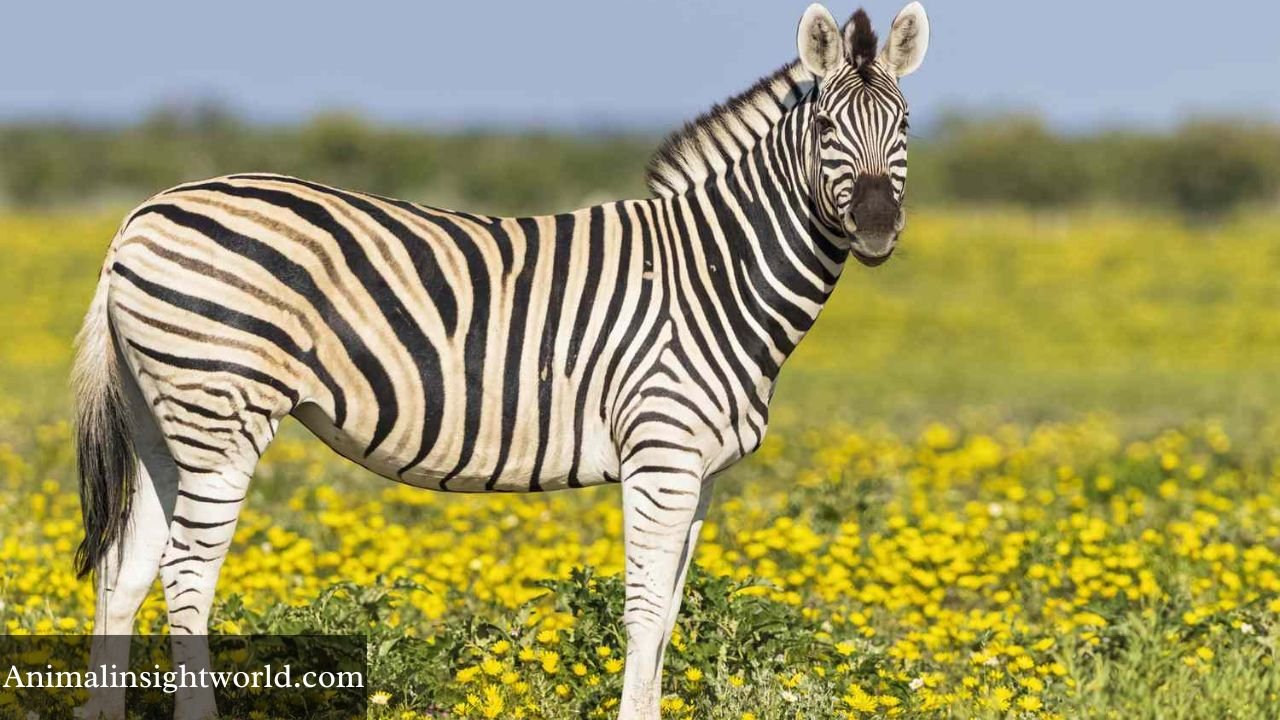
The zebra is the most famous animal that starts with Z, and it earns that fame. Plains zebras live in the grasslands and open woodlands of eastern and southern Africa, from Kenya and Tanzania down to South Africa. An adult plains zebra stands about 1.2 to 1.4 metres tall at the shoulder and weighs between 220 and 320 kilograms. Its black and white stripes are unique to each animal, like a fingerprint, and no two zebras carry exactly the same pattern.
Zebras are grazers, and grass makes up most of their diet. They spend much of the day eating, and their strong teeth and digestive system let them handle tough, coarse grass that many other grazers avoid. A zebra herd is a social group, usually built around a single stallion, several mares and their foals. The animals groom each other, rest together and watch for lions, hyenas and wild dogs. When danger comes, the herd runs together, and a zebra can reach speeds of around 65 kilometres per hour.
The stripes do more than look good. Scientists believe they confuse biting flies, help zebras recognise each other, and break up the outline of the animal in tall grass. There are three zebra species: the plains zebra, the mountain zebra and the Grevy zebra. The Grevy zebra is the largest and the most endangered, with fewer than 3,000 left in the wild in Kenya and Ethiopia. Protecting grassland and stopping poaching are the main ways to keep zebras on the savanna.
2. Zebu
The zebu is a type of domestic cattle recognised at once by the large hump over its shoulders. Zebu live across South Asia, Africa, the Middle East and parts of South America, and they are the main cattle of India, Pakistan, Bangladesh and much of tropical Africa. An adult zebu weighs between 400 and 700 kilograms and stands about 1.3 to 1.5 metres at the shoulder, with the hump adding extra height.
Zebu are built for heat. Their loose skin, large ears and sweat glands help them lose heat, and they cope with hot, dry weather far better than European cattle. They eat grass, leaves, hay and crop waste, and they can survive on poor forage where other cattle would lose weight. Farmers keep zebu for milk, meat, draught work and dung, and in India the zebu has deep cultural and religious importance.
The hump is made mostly of fat and muscle, and it acts as a store of energy that the animal can draw on in hard times. Zebu are calm, hardy animals, and they are resistant to many tropical diseases and to ticks. Because of these traits, zebu have been crossed with other cattle breeds all over the tropics, and the Brahman breed of the United States is a zebu type. For millions of small farmers, the zebu is not just livestock, it is the centre of daily life.
3. Zorilla
The zorilla is a small African mammal that looks like a skunk and behaves a lot like one too. Zorillas live in the savannas and open grasslands of sub-Saharan Africa, from Senegal in the west to Ethiopia and South Africa. An adult zorilla is about 30 to 38 centimetres long, with a bushy tail of 20 to 30 centimetres, and it weighs between 1 and 2 kilograms.
The zorilla has bold black fur with white stripes running down its back, and that pattern is a warning. Like a skunk, the zorilla can spray a foul smelling liquid from glands near its tail when it is threatened, and most predators learn to leave it alone after one lesson. The zorilla is a night hunter. It eats rodents, birds, eggs, insects, frogs and snakes, and it digs with strong claws to find prey underground.
Zorillas live alone and mark their territory with scent. A female raises two or three young in a burrow or a hollow log, and the young stay with her for several months. Zorillas are rarely seen because they are nocturnal and shy, but they play a useful role by keeping rodent numbers down. Farmers sometimes welcome them, even though the smell is unforgettable if you get too close.
4. Zonkey
The zonkey is a hybrid animal, the offspring of a zebra and a donkey. Zonkeys are not a wild species. They are born in zoos, sanctuaries and private collections, and only a few dozen exist in the world. A zonkey usually has the body shape and long ears of a donkey, with zebra stripes on its legs and sometimes on its neck and body.
A zonkey is about the size of a donkey, standing around 1.1 to 1.3 metres at the shoulder and weighing between 200 and 350 kilograms. Its coat is usually grey or brown, and the stripes are strongest on the legs, which gives it a striking look. Zonkeys eat grass, hay and leaves, just like donkeys, and they are strong, sure footed animals.
Like most hybrids between different species, zonkeys are usually sterile and cannot have young of their own. They are also known for a stubborn and independent temper, a mix of the donkey and the wild zebra. A famous zonkey named Zed lived in a sanctuary in the United States, and several zoos in Europe and America keep zonkeys as a way to teach visitors about genetics and animal breeding. The zonkey reminds us that nature does not always fit into neat boxes.
5. Zebra Shark
The zebra shark is a large, gentle shark of the tropical Indo-Pacific, found from the Red Sea and East Africa across to Australia and Japan. Young zebra sharks have bold black and white stripes, which is how they got their name, but adults lose the stripes and develop a leopard like pattern of dark spots on a pale yellow brown body. An adult zebra shark grows to about 2.5 metres long and weighs up to 30 kilograms.
Zebra sharks live on sandy sea floors and coral reefs, usually in shallow water less than 60 metres deep. They spend the day resting on the bottom and hunt at night, eating molluscs, crabs, shrimp, small fish and sea urchins. They find food by smell and by the sensitive pores on their snout, and they use their flexible body to push into cracks and crevices.
Zebra sharks are harmless to people and are popular with divers. Females lay large egg cases, and the young hatch after about five months. The species is listed as endangered because of fishing, habitat loss and the shark fin trade, and many aquariums now breed zebra sharks and release young ones into the wild. A healthy zebra shark can live for 25 to 30 years.
6. Zebra Finch
The zebra finch is a small songbird from Australia, and it is one of the most studied birds in the world. Wild zebra finches live in the dry grasslands and scrub of central Australia, and escaped pet birds have set up populations in other warm countries. An adult zebra finch is about 10 centimetres long and weighs only 10 to 12 grams, about the weight of two coins.
Male zebra finches are easy to spot. They have a grey body, a black and white striped throat, orange cheek patches and a bright red beak. Females are plainer, with grey feathers and no orange cheeks. The birds eat grass seeds, and they need to drink regularly, so they live near waterholes and visit them in noisy flocks.
Zebra finches are famous for their song. Young males learn their song from their father, and scientists study them to understand how brains learn sound, which has helped research into human speech. In the wild they nest in thorny bushes, building a round nest of grass, and a pair can raise several broods in a good year. As pets they are cheerful, social and easy to keep, which is why they are found in homes all over the world.
7. Zebra Seahorse
The zebra seahorse is a small striped seahorse that lives in the coastal waters of the Indo-Pacific, from Japan and Korea down to Australia. It grows to about 8 to 12 centimetres tall, which makes it a medium sized seahorse. Its body has bold black and white or dark and pale bands, and it has a curled tail that grips seagrass and coral.
Like all seahorses, the zebra seahorse swims upright and moves slowly, using a small fin on its back to steer. It eats tiny shrimp and plankton, sucking them up through its tube shaped snout. A seahorse has no stomach, so it must eat almost constantly, and a single animal can eat dozens of tiny shrimp in a day.
Zebra seahorses are faithful to one mate, and the male carries the babies. The female places her eggs in a pouch on the male, and he carries them for two to three weeks before giving birth to tiny seahorses. Zebra seahorses are threatened by the loss of seagrass beds, pollution and collection for the aquarium and traditional medicine trades. Protecting shallow coastal habitats is the best way to keep them alive.
8. Zebra Moray Eel
The zebra moray eel is a striking reef fish with black and white bands running the whole length of its long body. It lives on coral reefs and rocky shores across the Indo-Pacific, from the Red Sea to Hawaii and French Polynesia. An adult zebra moray grows to about 1.5 metres long, though most are closer to one metre, and it weighs up to 4 kilograms.
Zebra morays hide in holes and crevices during the day, with only the head poking out, and they hunt at night. They eat crabs, shrimp, sea urchins, molluscs and small fish. Their teeth are blunt and pebble like, which is perfect for crushing hard shells. They have a strong sense of smell and can find prey in the dark.
Despite their sharp look, zebra morays are shy and rarely bite people. A bite usually happens only when a diver puts a hand into a hole. Moray eels have a second set of jaws in their throat that helps pull prey down, a feature that has fascinated biologists for years. A zebra moray can live for more than 20 years on a healthy reef, and it is one of the most photographed eels in the tropical Pacific.
9. Zebra Longwing Butterfly
The zebra longwing butterfly is a black and white striped butterfly from the Americas, and it is the state butterfly of Florida. It lives in southern Texas, Florida, Mexico, Central America and parts of South America. Its wingspan is about 7 to 10 centimetres, and its long narrow wings have bold white and yellow stripes on a black background.
Zebra longwings live in woodlands and gardens where passionflower vines grow. The caterpillars eat passionflower leaves, and they take in chemicals from the plant that make the adult butterfly taste bad to birds. Adult zebra longwings are unusual among butterflies because they eat pollen as well as nectar, and the extra protein lets them live for several months, much longer than most butterflies.
At night, zebra longwings roost together in small groups, hanging upside down from a twig. They return to the same roost night after night. The butterflies are slow, graceful fliers, and their stripes warn predators to stay away. Gardeners in Florida plant passionflower vines to attract them, and a garden with zebra longwings is a sign of a healthy local ecosystem.
10. Zebra Pleco
The zebra pleco is a small striped catfish from Brazil, and it is one of the most wanted fish in the aquarium hobby. It lives only in the Xingu River, a clear water tributary of the Amazon. An adult zebra pleco grows to about 8 to 10 centimetres long, and it has bold black and white stripes over its whole body.
Zebra plecos live in rocky rapids, hiding in cracks between stones during the day and coming out at night to graze on algae and tiny organisms. They need clean, fast moving, oxygen rich water, and they are sensitive to pollution. In an aquarium they need hiding places, smooth rocks and strong water flow to stay healthy.
The zebra pleco is listed as endangered in the wild. Its only river has been changed by a large dam, and the fish is also collected heavily for the aquarium trade. Brazil has banned its export, and most zebra plecos sold today are bred in captivity. A single captive bred zebra pleco can cost more than 200 dollars, which shows how prized this little striped fish has become.
11. Zebra Spider
The zebra spider is a tiny jumping spider with black and white stripes, found across Europe, North America and parts of Asia. It is only about 5 to 7 millimetres long, small enough to sit on a fingertip. Its body is dark with white stripes and spots, and it has large front eyes that give it excellent vision.
Zebra spiders do not build webs to catch prey. They are active hunters that stalk small flies and other insects, then pounce on them with a sudden jump. Before jumping, the spider fixes a silk safety line to the surface, so it can climb back if it misses. The spider can jump many times its own body length.
These spiders live on walls, fences, rocks and plants, and they are common in gardens. They are harmless to people and are useful because they eat flies and other pests. Male zebra spiders wave their front legs in a dance to attract a female. Watching a zebra spider hunt in a garden is a good way to see how much skill fits into a creature smaller than a pea.
12. Zebra Mussel
The zebra mussel is a small freshwater mussel with a striped shell, and it is one of the most famous invasive species in the world. It comes from the lakes of Eastern Europe, but ships carried it to North America and Western Europe, where it has spread through rivers and lakes. An adult zebra mussel is only 2 to 4 centimetres long, but it can form colonies of millions.
Zebra mussels attach themselves to rocks, pipes, boats and even other mussels using strong threads. A single mussel can filter about a litre of water a day, and a large colony can clear a whole lake of plankton. That sounds helpful, but it starves native fish and mussels, clogs water pipes and damages boats and dams.
Zebra mussels spread because their larvae drift in water and because boats carry them between lakes. In the Great Lakes of North America they have caused billions of dollars of damage. There is no easy way to remove them once they arrive, so the best defence is to clean boats and equipment before moving between lakes. The zebra mussel is a warning that a tiny animal can change a whole ecosystem.
13. Zebra Duiker
The zebra duiker is a small forest antelope with bold stripes, found only in the rainforests of West Africa, mainly in Liberia, Ivory Coast, Sierra Leone and Guinea. An adult zebra duiker stands about 40 to 50 centimetres at the shoulder and weighs 15 to 20 kilograms. Its coat is reddish brown with 12 to 16 black vertical stripes on the back, which help it hide in the dappled light of the forest.
Zebra duikers live alone or in pairs in dense forest, and they eat fallen fruit, leaves, seeds and fungi. They are shy and hard to see, and they freeze or dash into thick cover when disturbed. Like other duikers, they have a small crest of hair on the head and short, pointed horns on both males and females.
The zebra duiker is listed as vulnerable because its forest home is being cut down for timber and farming, and because it is hunted for bushmeat. Protecting the Upper Guinea rainforest is the key to its survival. Few people have ever seen a zebra duiker in the wild, which makes it one of the least known antelopes in Africa.
14. Zebra-tailed Lizard
The zebra-tailed lizard is a small desert lizard from the southwestern United States and northern Mexico. It lives in sandy deserts and dry scrub, where it runs across open ground in short, fast bursts. An adult is about 15 to 22 centimetres long, including the tail, and it weighs only 10 to 20 grams.
The lizard gets its name from the black and white bands under its tail. When it runs, it curls its tail over its back and waves it, showing the stripes. Scientists think the waving tail distracts predators and may signal to other lizards. The lizard eats ants, beetles, spiders and other small insects, and it can run at speeds of up to 30 kilometres per hour in short bursts.
Zebra-tailed lizards are active during the day, and they bury themselves in sand at night or hide under rocks. They can change colour slightly to match the sand, and they are most active in the morning and late afternoon when the desert is cooler. They are a common sight in places like the Mojave and Sonoran deserts, darting across trails ahead of walkers.
15. Zanzibar Red Colobus
The Zanzibar red colobus is a monkey that lives only on the island of Zanzibar, off the coast of Tanzania. It is a medium sized monkey, about 45 to 65 centimetres long, with a tail of 60 to 80 centimetres, and it weighs between 6 and 12 kilograms. Its coat is a mix of black, white and rusty red, with a pale face and a tuft of hair on the head.
Zanzibar red colobus live in troops of 20 to 50 animals in forests and mangroves. They eat leaves, young shoots, flowers and unripe fruit, and their stomachs are specially built to digest tough leaves. They spend most of the day in the trees, moving slowly and quietly through the canopy.
The species is listed as endangered, with only a few thousand left in the wild. Most live in Jozani Forest, the main protected area on the island. Habitat loss, hunting and road deaths are the main threats. The Zanzibar red colobus is the flagship animal of the island, and its protection has helped save the forest for many other species too.
16. Zebra Dove
The zebra dove is a small dove with fine black and white barring on its neck, chest and belly. It comes from Southeast Asia, where it lives in Thailand, Malaysia, Indonesia, Singapore and the Philippines, and it has been introduced to Hawaii, Australia and other warm places. An adult zebra dove is about 20 to 23 centimetres long and weighs 45 to 60 grams.
Zebra doves live in parks, gardens, farmland and towns, and they feed on the ground, picking up small seeds and grain. They walk with a quick, bobbing step, and they are tame enough to be seen close up in city parks. Their call is a soft, pleasant coo, and in Thailand and Malaysia people keep them as songbirds.
A pair of zebra doves builds a simple nest of twigs in a bush or tree, and the female lays two white eggs. Both parents share the job of sitting on the eggs and feeding the chicks. Zebra doves are common and not threatened, and their spread to new places shows how well a small bird can adapt to life alongside people.
17. Zebra Oto
The zebra oto is a small striped catfish from the rivers of South America, popular with aquarium keepers. It grows to about 5 to 7 centimetres long, and it has bold black and white stripes along its body. It belongs to the same family as the popular otocinclus catfish, and it is sometimes called the zebra otocinclus.
Zebra otos live in clear, fast flowing streams in Brazil, Peru and Colombia, where they cling to rocks and plants with their sucker mouths and graze on algae. They are peaceful, social fish that do best in a group of six or more. In an aquarium they help keep glass and leaves clean, and they need clean water and plenty of hiding places.
The zebra oto is smaller and rarer in the trade than its plainer cousin, and it is a good example of how many striped fish live in South American rivers. Its stripes help it blend in with the dappled light and shadows of a rocky stream bed. A healthy zebra oto can live for three to five years.
18. Zebra Blenny
The zebra blenny is a small striped fish that lives on rocky shores and in tide pools in the Mediterranean Sea and the eastern Atlantic. It grows to about 10 to 15 centimetres long, and it has a slender body with dark vertical bars on a pale background. It is a shy fish that hides in cracks and holes between rocks.
Zebra blennies eat algae and small invertebrates, scraping food from rocks with their small teeth. They live in shallow water, often less than a metre deep, and they can survive in rock pools when the tide goes out. Males guard a nest hole during the breeding season and chase away other males.
These little fish are a common sight for snorkellers in the Mediterranean, darting between rocks and peeking out of holes. They are harmless and play a useful role in keeping algae under control on rocky shores. Their stripes break up their outline against the rocks, which helps them avoid being eaten by larger fish and herons.
19. Zokor
The zokor is a burrowing rodent that lives underground in the grasslands of Central Asia and Siberia. It looks a little like a large mole rat, with a thick body, short tail, tiny eyes and powerful front claws for digging. An adult zokor is about 15 to 27 centimetres long and weighs between 200 and 500 grams.
Zokors spend almost their whole life underground in a network of tunnels. They eat roots, bulbs and tubers, and they push the dug soil out of the burrow in small mounds on the surface. A single zokor can dig many metres of tunnel in a day, and its burrow system can cover a large area.
Farmers sometimes see zokors as pests because they eat crops and damage fields, but the animals also turn over the soil and help plants grow. There are several zokor species, including the Siberian zokor and the Chinese zokor. They are rarely seen above ground, and most people know them only from the mounds of earth they leave behind.
20. Zebra Waxbill
The zebra waxbill is a small finch from Africa, named for the fine barred pattern on its flanks. It lives in the grasslands and savannas of sub-Saharan Africa, from Senegal to Ethiopia and down to South Africa. An adult zebra waxbill is about 10 to 11 centimetres long and weighs 8 to 10 grams.
Zebra waxbills have a grey brown body, a red beak and fine black bars on the sides, which give them their name. They live in flocks and eat grass seeds, picking them up from the ground or from seed heads. They are often seen near water, and they bathe and drink in groups.
These little birds build a round grass nest in a bush or tree, and a pair can raise several broods in a year. They are popular cage birds in some countries, but wild populations are common and not threatened. The zebra waxbill closes our list with a reminder that Z animals are not only the famous zebra, they include many small, quiet birds that most people walk past without noticing.
Z Animals Side by Side: Size, Home and Diet Compared
Putting the twenty animals together shows how wide the letter Z reaches. The biggest animal on the list is the zebra, at up to 320 kilograms, and the smallest is the zebra spider, at less than a gram. The zebra shark is the longest, at 2.5 metres, while the zebra finch and the zebra waxbill could both fit in a human hand. Size alone tells us little about how interesting an animal is, and some of the smallest animals on this list have the most surprising lives.
Habitats cover almost every part of the planet. Zebras, zebu, zorillas, zebra duikers and zebra doves live on land, from African savannas to Asian towns. Zebra sharks, zebra morays, zebra seahorses, zebra plecos, zebra otos, zebra blennies and zebra mussels live in water, from coral reefs to freshwater rivers. Zebra finches, zebra doves, zebra waxbills and zebra longwing butterflies live in the air and the trees. The zokor lives almost entirely underground. No other single letter of the alphabet covers land, sea, air and underground quite like Z.
Diets are just as varied. Zebras and zebu eat grass, zebra duikers eat fruit, and the Zanzibar red colobus eats leaves. Zorillas, zebra spiders and zebra-tailed lizards hunt other animals. Zebra sharks, zebra morays and zebra plecos feed on shellfish and small creatures on the sea floor. Zebra finches, zebra doves and zebra waxbills live on seeds, while the zebra longwing butterfly feeds on nectar and pollen. The zebra mussel filters plankton from the water. Each diet fits the animal and its home, and that fit is what keeps each species alive.
The stripe is the thread that runs through the list. At least twelve of the twenty animals carry bold black and white bands or bars, and in almost every case the stripes serve a purpose: hiding the animal, warning predators, or confusing biting insects. The animals without stripes, like the zebu, the zorilla and the zokor, remind us that a name can come from a place, a language or a family link, not only from looks. Together, the twenty animals show that a rare letter can still hold a whole world of wildlife.
Frequently Asked Questions
What is the most famous animal that starts with Z?
The zebra is by far the most famous animal that starts with Z. It is the animal most people think of first, and it is a symbol of Africa in books, films and wildlife documentaries. The zebra shark and the zebra finch are also well known, but neither comes close to the zebra itself.
Are there many animals that start with Z?
No, Z is one of the rarest starting letters for animal names. There are only a few dozen animals whose common names begin with Z, compared with hundreds that begin with letters like S, C and B. That is why lists like this one often include striped animals, because the word zebra gives many species a Z name.
Which Z animal is the biggest?
The zebra is the biggest animal on this list by weight, at up to 320 kilograms for a plains zebra. The zebra shark is the longest, at about 2.5 metres, but it weighs far less than a zebra. The zebu is close behind the zebra, at up to 700 kilograms for a large bull, though most zebu are smaller.
Which Z animal is the smallest?
The zebra spider is the smallest animal on this list, at only 5 to 7 millimetres long and weighing less than a gram. The zebra finch and the zebra waxbill are also very small, at around 10 grams, but the spider is far smaller still. Its tiny size does not stop it being a skilled hunter.
Are zebra stripes the same on every zebra?
No, every zebra has a unique stripe pattern, just as every person has unique fingerprints. Researchers can identify individual zebras by their stripes, and foals learn to recognise their mother by her pattern. The stripes also help the herd, because a group of zebras standing together is hard for a lion to split into single targets.
Can you keep a zebra as a pet?
No, zebras are wild animals and they do not make good pets. They are strong, nervous and hard to train, and they can bite and kick. Zebras belong in the wild or in proper wildlife parks with trained keepers. A zebra finch, on the other hand, is a popular and easy pet bird.
Final Thoughts
Top 20 Animals That Start With Z shows that a rare letter can still hold a rich collection of wildlife. From the zebra on the savanna to the zebra spider in a garden, from the zebra shark on a reef to the zokor under a Central Asian grassland, these twenty animals live in almost every habitat on Earth. Many of them wear stripes, and those stripes almost always have a job to do, whether it is hiding, warning or confusing a predator.
If this list has a lesson, it is that the animals we rarely hear about are often the ones that need our attention most. The Grevy zebra, the zebra shark, the zebra pleco and the Zanzibar red colobus are all in trouble, and each one depends on people protecting its home. Learning their names is a small step, and it is the step that comes before caring. The next time someone asks you to name an animal that starts with Z, you will have twenty answers, and each one has a story worth telling.