What Animals Eat Mushrooms?
Introduction
What Animals Eat Mushrooms? The answer is more animals than most people would guess. Squirrels carry them into trees, deer nibble them in autumn woods, bears dig for them in the forest floor, and even tiny slugs spend their whole lives grazing on fungi. Mushrooms are the fruit of a hidden world of fungi that lives under the soil, and for many animals they are a seasonal feast, a source of vitamins, and in some cases a vital part of how the forest itself spreads and grows.
This guide looks at the animals that eat mushrooms, why they eat them, which mushrooms are safe for them, and how their appetite for fungi helps forests in ways most people never notice. You will meet animals that store mushrooms like treasure, animals that can eat poisonous mushrooms without harm, and animals that spread mushroom spores in their droppings as they travel. If you have ever wondered whether the mushroom in your garden is food for some wild animal, the answer is almost certainly yes.
What Makes These Animals Special
The animals that eat mushrooms share a rare talent: many of them can eat fungi that would make a person very ill. A red squirrel can eat a fly agaric mushroom, the famous red capped mushroom with white spots, without any harm, while the same mushroom can poison a human. Scientists think this is because the animal’s gut and liver break down the mushroom’s chemicals in a different way. Some animals also eat only the safe parts, or they eat mushrooms in small amounts mixed with other food, which keeps the dose low.
What makes these animals truly special is their role as gardeners of the forest. Many mushrooms grow underground as a network of threads called mycelium, and the mushroom we see is only the fruit. When an animal eats a mushroom, the tiny spores inside pass through its body and come out in its droppings, often far from where the mushroom grew. In this way, squirrels, deer and wild boar plant new fungi across the forest, and those fungi help trees take up water and nutrients from the soil. Without mushroom eating animals, many forests would be poorer and less healthy.
1. Squirrel
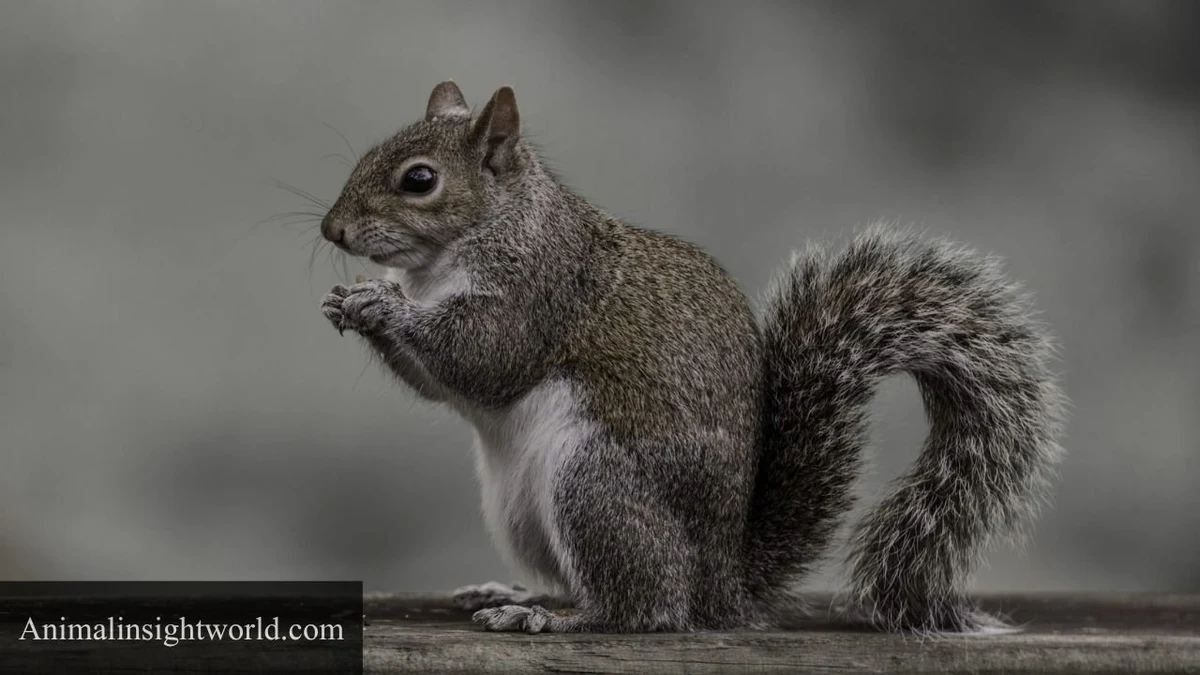
The squirrel is the most famous mushroom eater in the forest, and it has a clever habit that sets it apart. A red squirrel picks mushrooms in autumn, carries them up into the trees, and hangs them on branches or wedges them into forks to dry in the sun and wind. This dried mushroom store lasts through the winter, when fresh food is scarce. Squirrels can remember where they left their stores, and they return to them again and again on cold days.
Squirrels eat many kinds of mushrooms, including some that are poisonous to people, such as the fly agaric. They seem to know which mushrooms are safe, and they often eat only part of a mushroom, leaving the rest to dry. Squirrels also spread mushroom spores in their droppings, and because they travel widely through the forest, they carry fungi to new places. A single squirrel can help dozens of new mushroom colonies start in one autumn, which makes it one of the forest’s most important gardeners.
2. Deer
Deer eat mushrooms as part of their autumn diet, when fungi appear in great numbers on the forest floor. A deer will nibble at boletes, chanterelles and other soft mushrooms as it grazes, and it often eats them along with leaves, acorns and bark. Mushrooms give deer water, minerals and protein at a time of year when they are building up fat for the winter. A red deer or a white tailed deer may eat several mushrooms in a single morning walk through the woods.
Deer also help fungi spread. The spores of some mushrooms pass through a deer’s gut unharmed and come out in its droppings, ready to grow in a new place. Because deer roam over large areas, they carry spores far from the parent mushroom. Deer are careful eaters, and they often sniff a mushroom before biting, which may help them avoid the most poisonous kinds. Young deer learn what to eat by watching their mothers, and they copy her choices in the forest.
3. Bear
Bears love mushrooms, and they eat them eagerly in late summer and autumn, when they are feeding hard to build up fat for winter sleep. A brown bear or a black bear will dig in the forest floor with its strong claws, turning over logs and leaf litter to find mushrooms, roots and insects. Mushrooms are a useful food for a bear because they are rich in protein and minerals, and a bear can eat a large amount in a single day without any trouble.
Bears can eat some mushrooms that would poison a person, and they seem to suffer no ill effects. Scientists think the bear’s large liver and its varied diet help it deal with the chemicals in fungi. Bears also spread mushroom spores over long distances, because they travel widely and their droppings carry spores to new ground. In some forests, the mushrooms that grow near bear trails are the same kinds the bears ate months before, which shows how well this partnership works.
4. Wild Boar
The wild boar is one of the greatest mushroom hunters in the forest, and it uses its powerful snout like a plough to dig up fungi from the soil. Wild boar eat truffles, the famous underground mushrooms that grow on tree roots, and they can smell a ripe truffle buried deep under the earth. In fact, people have used trained pigs to find truffles for centuries, because a pig’s nose is better than any tool at finding them.
Wild boar eat mushrooms in large amounts, and they turn over huge areas of forest floor as they dig. This digging mixes the soil, buries seeds and spreads mushroom spores, which helps the forest grow. Boar eat both the mushrooms above ground and the truffles below it, and they seem able to eat kinds that are poisonous to people without harm. A group of wild boar can clear a patch of forest floor in a single night, and the mushrooms that grow there the next year are often the children of the ones they ate.
5. Mouse
Mice are small but important mushroom eaters, and they eat fungi all year round, not just in autumn. A wood mouse or a deer mouse will nibble at small mushrooms on the forest floor, and it will also dig for truffles and other underground fungi. Mushrooms give a mouse water and food in dry times, and they are a useful part of a diet that also includes seeds, nuts and insects.
Because mice are small and stay close to home, they spread mushroom spores over short distances, which helps fungi colonise the area around a single tree. Mice also store mushrooms in their nests, and they will carry pieces of dried mushroom back to their burrows to eat later. Scientists who study forest fungi have found that mouse droppings contain the spores of dozens of mushroom species, which shows how much work these tiny animals do for the forest without anyone noticing.
6. Slug
The slug is a quiet but constant mushroom eater, and it spends its nights grazing on fungi in damp gardens and forests. Slugs eat soft mushrooms, moulds and decaying plant matter, and they are one of the few animals that eat mushrooms that are already rotting. A slug’s rasping tongue, covered in thousands of tiny teeth, scrapes away at the mushroom’s soft flesh, and it can eat a large amount in one night.
Slugs are important to the forest because they eat the mushrooms that other animals leave behind, and their droppings carry spores to new places. They also eat the slime moulds and tiny fungi that grow on dead wood, which helps break down fallen trees. Slugs are food for hedgehogs, birds and frogs, so the mushrooms they eat pass up the food chain. A garden slug may seem like a pest to a gardener, but in the wild it is a useful recycler of fungi and dead plants.
7. Box Turtle
The box turtle is one of the few reptiles that eats mushrooms, and it does so with surprising boldness. Box turtles eat many kinds of mushrooms, including some that are deadly poisonous to people, such as the destroying angel. A box turtle can eat these mushrooms and suffer no harm, and scientists think its body breaks down the poison in a way that ours cannot. This talent is so well known that people are warned not to eat a box turtle, because the poison from the mushrooms can stay in its flesh.
Box turtles find mushrooms by smell and by sight, and they often eat them in damp woods after rain, when fungi appear in large numbers. They eat the whole mushroom, cap and stem, and they also eat fallen fruit, leaves and insects. A box turtle’s mushroom meals help spread spores, because the turtle moves slowly through the forest and leaves droppings full of spores along its path. Box turtles can live for many decades, and an old turtle may eat mushrooms from the same forest floor for fifty years or more.
8. Rabbit
Rabbits eat mushrooms when they find them, although fungi are only a small part of a rabbit’s diet. A wild rabbit grazes mainly on grass, leaves and bark, but it will nibble at soft mushrooms in autumn, especially those that grow in meadows and at the edges of woods. Mushrooms give a rabbit extra water and minerals, and they are a useful food when grass is dry or scarce.
Rabbits are careful eaters, and they often test a new food with a small bite before eating more. This caution may help them avoid poisonous mushrooms. Rabbits also help fungi spread, because spores pass through their droppings and land in new places as the rabbit moves around its home range. A rabbit’s burrow is often surrounded by mushrooms in autumn, because the soil near the burrow is rich and damp, which is exactly what fungi like.
9. Fox
Foxes eat mushrooms as part of their varied diet, and they are opportunists that take whatever food the season offers. In autumn, when mushrooms are plentiful, a red fox will eat them along with berries, fallen fruit, mice and insects. Mushrooms are not the fox’s main food, but they are a useful extra, and a fox that finds a patch of edible mushrooms may return to it again and again.
Foxes travel long distances each night, and they spread mushroom spores widely in their droppings. Because a fox ranges over several kilometres, it can carry spores from one wood to another, which helps fungi colonise new ground. Foxes also dig for truffles and other underground fungi, using their sharp sense of smell. A fox’s mushroom eating is a small part of its life, but it shows how many animals, even hunters, rely on fungi when the season is right.
10. Elk
Elk eat mushrooms in autumn, when the fungi appear in the mountain meadows and forests where elk live. An elk is a large animal, and it needs a great deal of food each day, so it grazes on grasses, leaves and shrubs, and it takes mushrooms as it finds them. Mushrooms give an elk protein and minerals at a time when it is building up strength for the winter and for the breeding season.
Elk live in herds and move between summer and winter feeding grounds, so they carry mushroom spores over long distances. The spores in an elk’s droppings can start new fungi in places far from where the mushrooms were eaten. Elk are also careful about what they eat, and they often eat only the mushrooms they know, passing by others. In some mountain forests, the mushrooms that grow along elk trails are the same kinds the elk ate in autumn, which shows the quiet partnership between the animals and the fungi.
11. Chipmunk
The chipmunk is a small striped rodent that eats mushrooms with great enthusiasm, and it has a clever way of storing them. A chipmunk stuffs its cheek pouches full of food, including pieces of mushroom, and carries them back to its burrow. There it stores them in a special chamber, where they dry and keep for the winter. A single chipmunk may store thousands of seeds and mushroom pieces in one autumn, and it remembers where its stores are hidden.
Chipmunks eat many kinds of mushrooms, and they are not fussy about which ones they take. They eat the caps and stems, and they also dig for truffles and other underground fungi. Chipmunks spread mushroom spores in their droppings, and because they live in one small area, they help fungi grow in the forest around their burrows. A chipmunk’s mushroom store is so important to it that it will defend its burrow fiercely from other chipmunks that try to steal from it.
12. Porcupine
The porcupine is a large rodent covered in sharp quills, and it eats mushrooms as part of its autumn diet. Porcupines eat bark, leaves, twigs and fruit, but when mushrooms appear in the forest, they eat those too. A porcupine will sit on the forest floor and nibble at a large mushroom with its strong front teeth, eating it slowly and carefully. Mushrooms give a porcupine water and minerals, and they are a useful food before the long winter.
Porcupines are slow movers, so they spread mushroom spores over short distances, but they eat a large amount, and their droppings are full of spores. Porcupines also climb trees to eat mushrooms that grow on trunks and branches, which few other animals can reach. Their quills protect them from predators while they eat, so they can take their time over a good mushroom. In some forests, porcupines are one of the main animals that eat the large bracket fungi that grow on dead trees.
13. Raccoon
The raccoon is a clever and curious animal that eats almost anything, and mushrooms are no exception. Raccoons eat mushrooms in autumn, when they are plentiful in the woods and gardens where raccoons live. A raccoon will pick up a mushroom with its sensitive front paws, turn it over, and eat it piece by piece. Raccoons wash their food in water when they can, and they may rinse a mushroom in a stream before eating it.
Raccoons travel widely at night, and they spread mushroom spores in their droppings across fields, woods and riverbanks. Because raccoons live near people, they also carry spores into gardens and parks, where new mushrooms appear the following year. Raccoons eat both the mushrooms above ground and the fungi that grow on dead wood, and they seem able to eat kinds that would make a person ill. A raccoon’s varied diet, which includes mushrooms, shows how adaptable these animals are.
14. Badger
The badger is a strong digging animal that eats mushrooms as part of its autumn diet, and it finds them with its excellent sense of smell. Badgers eat earthworms, insects, small mammals, berries and roots, and when mushrooms appear, they eat those too. A badger will dig around the base of a tree to find mushrooms and truffles, turning over the soil with its powerful claws. This digging helps the forest, because it mixes the soil and buries seeds.
Badgers live in large burrow systems called setts, and they return to the same woods year after year. The mushrooms that grow near a badger sett are often the same kinds the badgers ate in previous autumns, because the spores in their droppings start new fungi close to home. Badgers can eat mushrooms that are poisonous to people, and they show no ill effects. Their mushroom eating is one more example of how a single animal can help a whole forest grow and renew itself.
15. Reindeer
The reindeer is a northern animal that eats mushrooms with great eagerness in late summer and autumn, when fungi appear in the tundra and northern forests. Reindeer eat lichens for most of the year, but when mushrooms appear, they seek them out and eat them in large amounts. Mushrooms give reindeer protein and minerals that lichens lack, and they help the animals build up fat before the long Arctic winter.
Reindeer are famous for eating the fly agaric mushroom, the red capped mushroom with white spots that is poisonous to people. Reindeer eat it without harm, and some scientists think the mushroom may even affect their behaviour, although this is still debated. What is certain is that reindeer spread mushroom spores across the tundra as they migrate, carrying fungi to new ground over hundreds of kilometres. In the far north, where few animals live, the reindeer is one of the most important mushroom eaters of all.
Surprising Facts
One of the most surprising facts about animals that eat mushrooms is that many of them can eat fungi that would kill a person. The box turtle can eat the destroying angel, one of the deadliest mushrooms in the world, and suffer no harm. The red squirrel can eat fly agaric, and the reindeer does the same. Scientists are still learning how these animals cope with the poisons, and the answer seems to be a mix of special gut bacteria, a strong liver and a habit of eating only small amounts at a time.
Another surprising fact is that mushroom eating animals are the forest’s best gardeners. The spores of many fungi cannot grow unless they pass through an animal’s gut first, because the gut removes a chemical coat that stops them from sprouting. Without squirrels, deer and wild boar, some mushrooms would never grow at all. The truffle, the most famous underground mushroom, depends entirely on animals to spread its spores, because it never opens to release them into the air. Its strong smell is a signal to animals: eat me, and carry my spores far away.
A third surprise is that mushrooms are not just food for these animals, they are also a medicine cabinet. Some animals eat certain fungi when they are ill, a behaviour called self medication. Chimpanzees and other animals have been seen eating bitter plants when they have parasites, and scientists think some animals choose mushrooms for the same reason. The fungi themselves make chemicals that fight bacteria and other microbes, and an animal that eats them may be getting a dose of natural medicine along with its dinner.
Frequently Asked Questions
Can animals eat poisonous mushrooms safely?
Many animals can eat mushrooms that are poisonous to people, including the fly agaric and even the destroying angel, without harm. Their gut bacteria and liver process the chemicals differently. This does not mean every mushroom is safe for every animal, and some animals do get ill from fungi, but many forest animals have a tolerance that people do not share. Never use an animal eating a mushroom as proof that it is safe for you.
Why do squirrels hang mushrooms in trees?
Squirrels hang mushrooms on branches to dry them in the sun and wind, which stops them from rotting. Dried mushrooms keep for months and give the squirrel food through the winter, when fresh mushrooms are gone. The squirrel remembers roughly where its stores are and returns to them on cold days.
Do mushrooms help forests grow?
Yes, in a very direct way. The fungi that make mushrooms live on tree roots and help trees take up water and nutrients from the soil. When animals eat mushrooms and spread their spores, they help new fungi grow, and those fungi help new trees grow. Without mushroom eating animals, many forests would be poorer and less healthy.
Which animal eats the most mushrooms?
Wild boar probably eat the most mushrooms of any land animal, because they dig up huge amounts of fungi, including truffles, every night. Bears also eat a great deal in autumn, when they are building up fat for winter. Among small animals, squirrels and chipmunks eat and store more mushrooms than any other animal of their size.
Should I feed mushrooms to my pet?
No, you should not feed wild mushrooms to a pet. The mushrooms that wild animals eat safely can still harm a dog or a cat, and some are deadly. Pet dogs are often poisoned by mushrooms they find in gardens, because they do not have the same tolerance as wild animals. If your pet eats a wild mushroom, contact a vet at once.
Conclusion
What Animals Eat Mushrooms? The list is long and surprising: squirrels that dry them in trees, deer that nibble them on morning walks, bears that dig for them, wild boar that smell truffles deep underground, and even slugs and turtles that graze on them night and day. These animals do more than feed themselves. They carry mushroom spores across the forest, plant new fungi with their droppings, and keep the hidden world under the soil alive and growing. The next time you see a mushroom in the woods, remember that it is not just a plant. It is dinner for a squirrel, medicine for a reindeer, and the start of a new forest.